






The Climax Should Be Emotional, Not Logistical
Let’s be honest: the high-wire, single-take, everything-is-on-fire set piece is a trick 'The Bear' has already mastered. From the disastrous pre-order in Season 1 to Carmy’s freezer meltdown in Season 2 and the ambiguous review in Season 3, the show has proven
its virtuosity in depicting panic. But by the final season, the greatest tension isn't whether they'll get the food out on time; it's whether these characters will find a shred of peace. The ultimate climax for Carmy, Sydney, and Richie isn't about conquering the dinner rush. It’s about conquering themselves. The show’s narrative engine has always been the chaotic kitchen serving as a metaphor for unresolved trauma and dysfunctional family dynamics. After five seasons of watching them run from their demons, the most satisfying conclusion would be watching them finally sit down with them, perhaps over a simple staff meal after closing, and find a moment of quiet resolution.
From Survival Mode to Sustainable Life
The early seasons were about survival. Could The Original Beef of Chicagoland be saved? Could The Bear even open? Could it stay open? Those questions have been the driving force. But a story can't stay in survival mode forever without becoming repetitive. The logical endpoint of this narrative isn't just achieving a Michelin star, but learning how to live after you've achieved it. What does life look like when the crisis abates? A finale that mirrors the early seasons' chaos would suggest that, ultimately, these characters haven't grown. A smaller, more contained ending would thematically signal their evolution from a found family that thrives on chaos to one that can exist in stability. It would prove that the whole frantic, five-season journey was actually building toward stillness, not just a more refined version of the same old panic.
Subverting the Prestige TV Finale Trope
So many great dramas feel an obligation to end with a bang—a major character death, a shocking betrayal, or a world-altering event. 'The Sopranos' famously subverted this by cutting to black, but 'The Bear' has an opportunity to do something different. Its subversion would be to find its grand finale in the mundane. The show has always excelled at finding the profound in the ordinary: Richie meticulously polishing forks, Marcus perfecting a donut, or Sydney creating the perfect omelet for Sugar. These are the moments that truly define the show's soul. The smartest, most 'Bear'-like move would be to reject the explosive finale trope entirely. The series finale doesn't need a mob showdown or a five-alarm fire. Its most powerful statement would be to find its ending in a quiet conversation, a shared glance of understanding between Carmy and Syd, or the simple, rhythmic calm of a clean, closed kitchen.
What 'Smaller' Actually Looks Like
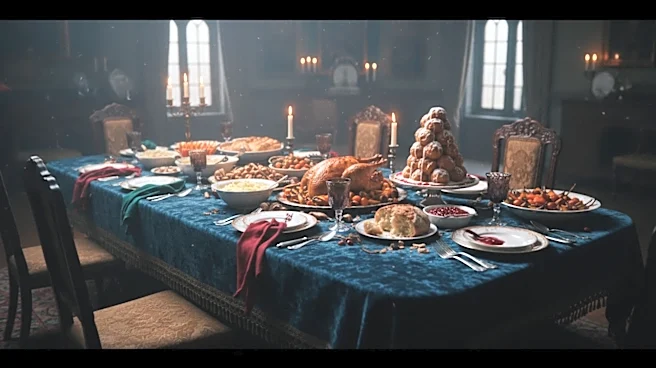
A 'smaller' finale doesn't mean a boring one. It means choosing intimacy over spectacle. Imagine the final ten minutes aren't a frantic rush but a single, unbroken scene of the crew sharing a meal, finally enjoying the fruits of their labor. Picture Carmy and Richie having a conversation that isn't screamed across a busy kitchen but spoken quietly in the alley. Or Sydney, finally having signed the partnership agreement, looking around at the restaurant not with anxiety, but with the pride of ownership. These small moments carry more emotional weight than another kitchen catastrophe ever could. It’s about focusing the camera on the faces, not just the flying pans. It’s a finale that trusts its characters and its audience, demonstrating that after years of brutal, beautiful struggle, the real victory isn't a rave review, but the ability to finally, peacefully, breathe.