






The Problem of Weightless Worlds
Modern blockbusters have a problem with weight. Not story weight, but physical weight. We’ve all seen it: the climactic battle where heroes and villains tumble through a cityscape that feels more like a video game asset than a real place. This is the scourge
of an over-reliance on computer-generated imagery, or what critics often call “CGI soup.” When everything is a digital creation, rendered in the same sterile, textureless fashion, nothing feels tangible. Alien planets look like generic screensavers, creatures move without a sense of muscle or bone, and explosions lack visceral impact. This digital gloss can create a disconnect, pulling audiences out of the story by constantly reminding them that what they’re watching isn’t real. For a story that hopes to be epic and emotional, this feeling of artifice is a killer. It turns alien worlds into backdrops instead of environments and reduces cosmic threats to glowing pixels rather than menacing presences.
The Power of Practicality
The antidote to this digital malaise is a deliberate, robust commitment to practical effects. This doesn’t mean abandoning CGI, which is an essential tool for modern filmmaking. It means using it as a supplement, not a crutch. Think of Denis Villeneuve’s *Dune*, where the vastness of Arrakis was conveyed through real desert locations, making the sandworms (a CGI marvel) feel all the more terrifying by comparison. Consider George Miller’s *Mad Max: Fury Road*, a symphony of real stunt work, custom vehicles, and physical mayhem that feels gritty and dangerous because it *was*. The original *Star Wars* trilogy built its galaxy with detailed miniatures, lived-in puppets, and intricate costumes. These elements gave the universe a history and a tactile quality that green screens struggle to replicate. When an actor can physically interact with a set, touch a prop, or react to a puppet operated by a master puppeteer just off-camera, their performance becomes more grounded. The world feels real to them, and in turn, it feels real to us.
Why This Supergirl Needs It Most
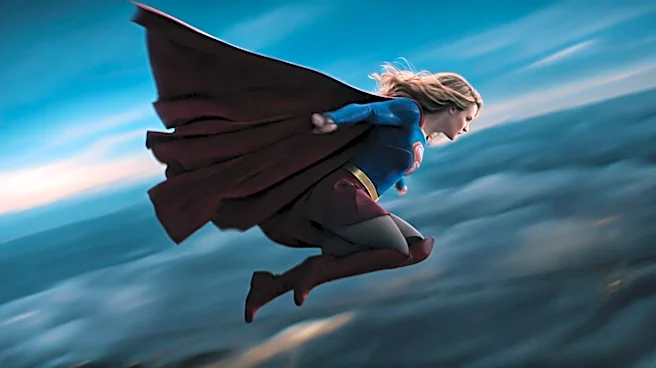
This commitment to the tactile is not just a stylistic preference; for *Supergirl: Woman of Tomorrow*, it's essential. Tom King and Bilquis Evely’s comic book series is not a clean, gleaming sci-fi adventure. It’s a gritty, space-western revenge quest. It’s a story told in alien dive bars, on dusty frontier planets, and aboard rickety starships. Evely’s art is dense with detail, rendering alien species with unique biological textures and worlds that feel weathered and worn. Kara Zor-El herself is portrayed as a weary, hard-drinking traveler, far from the polished hero of Metropolis. To adapt this story faithfully, director Craig Gillespie (*I, Tonya*, *Cruella*) must capture that feeling. We need to feel the sticky floor of the alien bar, smell the exhaust from the space-motorcycle, and see the intricate, non-humanoid anatomy of the aliens Kara encounters. This requires a production philosophy built on creature workshops, detailed set construction, and location shooting—grounding the cosmic with the concrete.
A Statement for the New DCU
Embracing this practical-first approach for *Supergirl* would be more than just a win for one film; it would be a powerful statement of intent for James Gunn’s entire DCU. Gunn himself has often championed practical effects in his own work, from the grotesque body horror of *Slither* to the detailed creature designs in *Guardians of the Galaxy*. By making *Supergirl* a showcase for tangible world-building, he would be drawing a clear line in the sand, distinguishing his universe from competitors who have increasingly faced criticism for their weightless, CGI-driven aesthetics. It would signal that the DCU is a place where story and character are supported by immersive, believable worlds, not undermined by them. A film that feels as real, rugged, and surprising as the comic it’s based on would not only guarantee a standout adventure for Kara Zor-El but also establish a gold standard for the blockbusters to follow.