



The End of the Beige Era
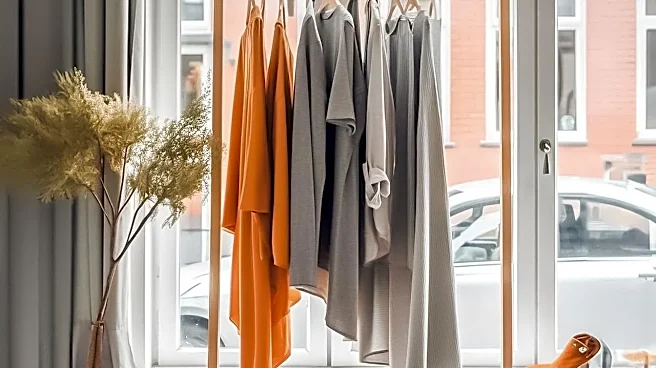
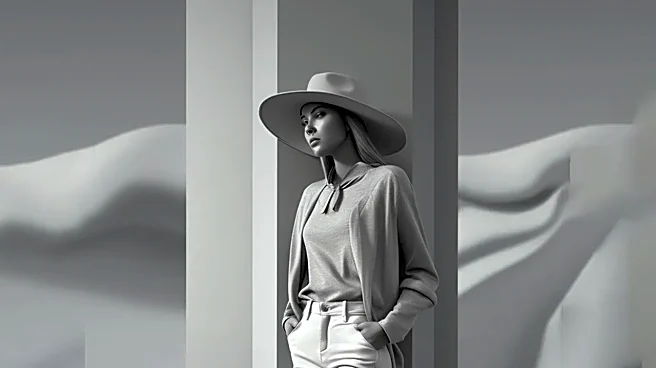
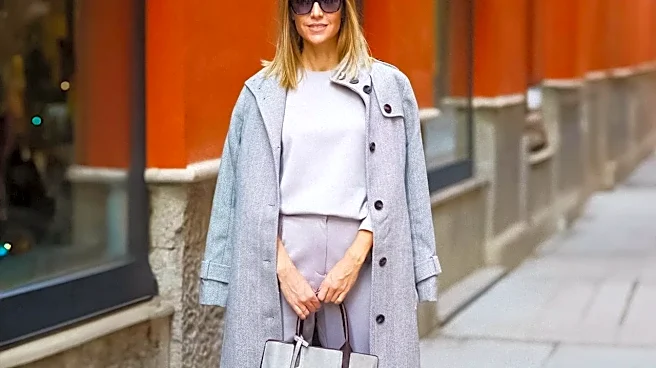
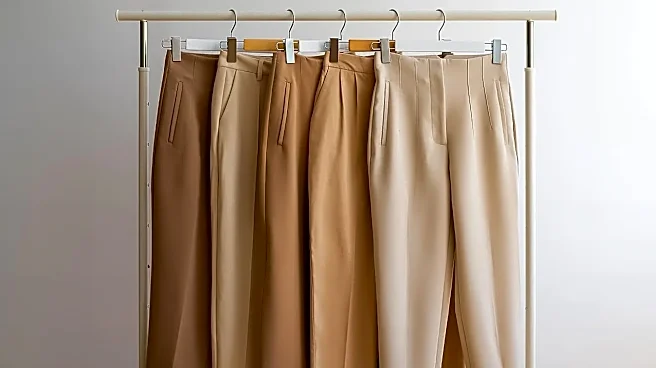
For years, the global shorthand for Scandinavian style has been 'minimalism.' It conjured images of neutral-toned cashmere, perfectly clean lines, and an overall aesthetic of spare, functional elegance. This reputation was well-earned, built on a design
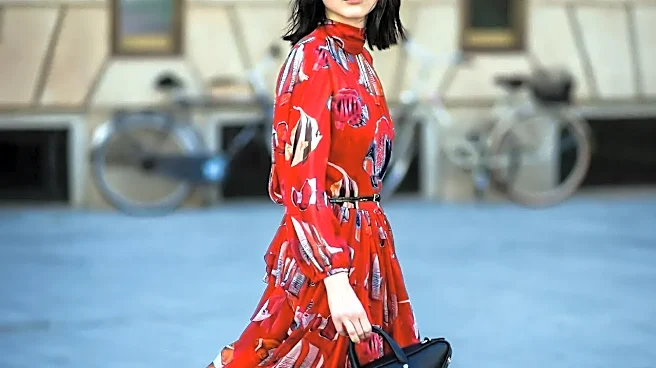
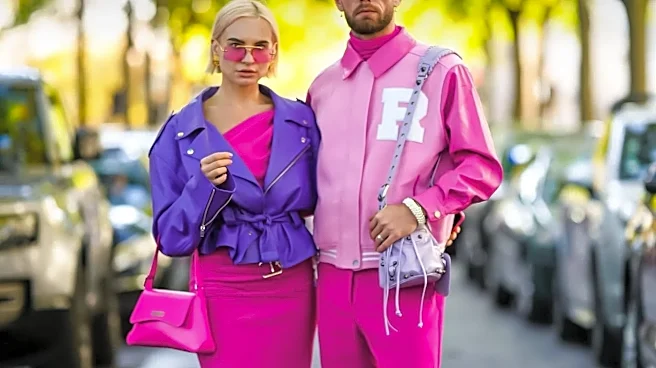
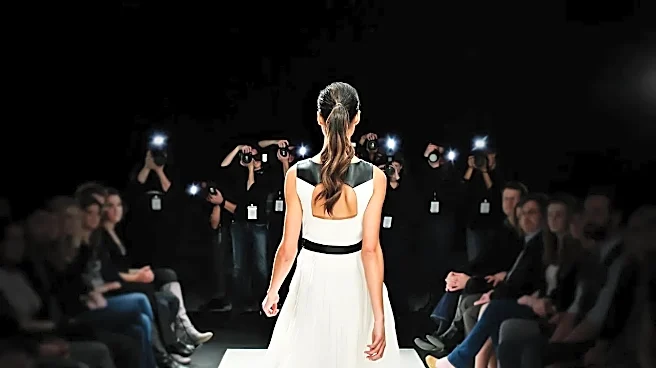
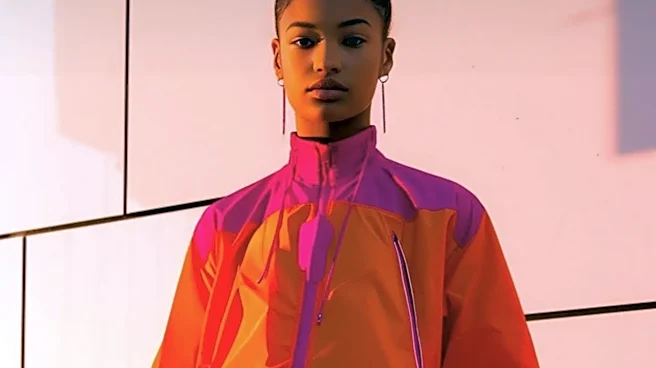
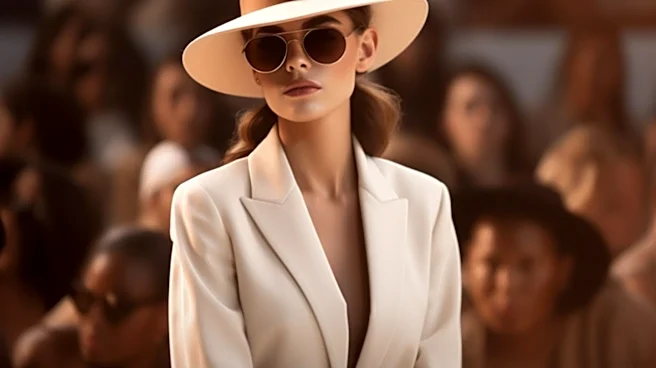
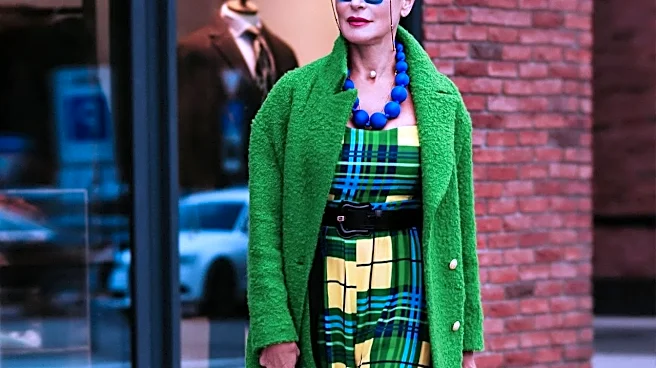
legacy that valued simplicity and quality. But to look at the streets and runways of Copenhagen today is to see that narrative unraveling in the most glorious, chaotic way. Recent Copenhagen Fashion Week collections for Spring/Summer 2027 have confirmed what has been building for seasons: the city's style has moved on. Where one expected beige, there is now bold color and clashing patterns. Where one expected simple silhouettes, there are now voluminous dresses, unexpected textural combinations, and a distinct rejection of simple, clean lines. The idea that you can explain the modern Copenhagen aesthetic with a single word like minimalism is no longer just outdated; it's plainly incorrect.
Embracing 'Northern Maximalism'
So, if not minimalism, what is it? The emerging consensus points toward a kind of pragmatic, joyful maximalism. It’s a style defined by its layers: dresses worn over trousers, sheer fabrics over knits, and multiple accessories piled on with intention. This isn't about random chaos; it's a thoughtful, almost emotional approach to getting dressed. The look is textural, with designers like Stine Goya, Ganni, and Cecilie Bahnsen championing voluminous shapes, playful prints, and tactile fabrics that invite a closer look. Street style from the most recent fashion week showcases this evolution perfectly. You see lightweight jackets thrown over crisp shirts, knits tied artfully around the waist or shoulders, and bold color pairings that defy the old muted palette. It's a style born from a mix of practicality—the need to adapt to unpredictable weather—and a growing desire for individual self-expression and visual joy. This new wave is less about looking perfect and more about feeling interesting.
A Philosophy of Creative Dressing
This shift is more than just a fleeting trend; it reflects a deeper change in philosophy. The old minimalism was often about a form of restraint and control, a refusal of excess. The new Copenhagen style is about creative freedom. It's a look that accumulates over time, re-contextualizing pieces rather than replacing them. This aligns perfectly with the fashion week's much-lauded focus on sustainability, where using and reusing what you have is paramount. Brands like OpéraSPORT and Stem are pioneering this by using deadstock fabrics and zero-waste techniques, creating clothes that are both innovative and conscientious. The resulting aesthetic feels personal and lived-in, a visual archive of one's own style journey. It’s an approach that resists the speed of fast fashion and the flattening effect of social media algorithms, championing unresolved silhouettes and combinations that make you stop and think.
What to Call It Now
Trying to neatly label this new direction is perhaps missing the point. It is, by its nature, resistant to simple categorization. It's a blend of romanticism and pragmatism, seen in the pairing of a frilly, voluminous dress with chunky, practical boots. It has a sense of humor and playfulness, evident in the surprising color clashes and pattern mixing seen on the runways. While it has shed the strict rules of minimalism, it retains core Scandinavian values of quality, wearability, and a certain understated confidence. Perhaps the best description is simply 'Copenhagen style,' a term that now implies a dynamic, evolving spirit. It’s a look that finds identity in the accumulation of details—the scarves, the layered jewelry, the unexpected sock choice—rather than a single statement piece. It proves that true style isn't about following a minimalist formula, but about building a look that is authentically, and complicatedly, your own.