





Dressing for Battle, Not Just for Dinner
In the late 19th century, a formal dinner was not merely a meal; it was a social battlefield. For the elite families of America's Gilded Age—a period of explosive industrial growth and staggering wealth disparity—these multi-course events were the primary
arena for forging alliances, negotiating status, and displaying immense fortune. A woman's attire was her armor and her banner. Etiquette manuals of the era treated fashion with the gravity of a legal text, dictating precisely which fabrics, colors, and cuts were appropriate for each of a wealthy woman's half-dozen daily wardrobe changes. The dinner dress was a specific and crucial category, a testament to a family's taste, wealth, and understanding of the rigid social codes that governed high society. Arriving under or overdressed was a social blunder with real consequences.
The Anatomy of a Dinner Dress
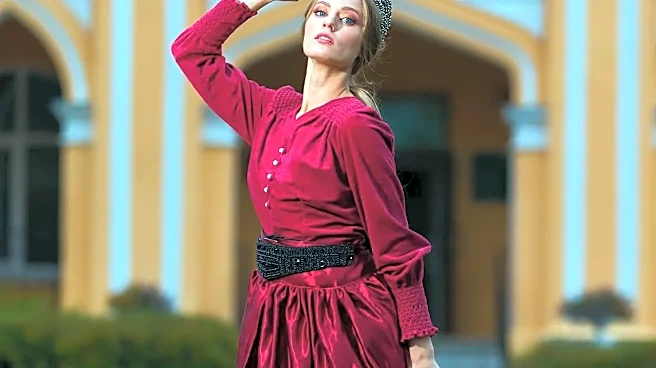
So, what made a dinner dress distinct? It was a careful balancing act between opulence and relative modesty. Unlike a ball gown, which was reserved for events with dancing, the dinner dress typically featured higher necklines and longer sleeves, often extending to the elbow. While a ball gown might feature a deeply scooped, shoulder-baring décolletage, a dinner dress was more restrained, though still cut more openly than a daytime dress. The fabrics, however, were anything but modest. Rich, heavy materials that shimmered under newfangled gas or electric light were favored: velvets, lustrous satins, and heavy silks were common choices. These gowns were elaborately decorated with beading, embroidery, lace, and intricate appliqués. The silhouette evolved through the decades, from the pronounced bustles of the 1870s and 1880s to the more bell-shaped skirts of the 1890s, but the purpose remained the same: to create a breathtaking vision of wealth at the dinner table.
Not to Be Confused with a Ball Gown
The distinction between a dinner dress and a ball gown was critical. A ball gown was the pinnacle of eveningwear, designed for maximum drama and freedom of movement for dancing. This meant short sleeves (or no sleeves at all) and the lowest necklines considered acceptable. A dinner dress, on the other hand, was for an occasion that, while formal, was more static. The covered arms and higher neckline signaled a different function. One etiquette expert noted that a hostess, in particular, should wear a dinner dress that was elegant but did not outshine her guests. The rules were so specific that women wore long gloves to the table, which they would then remove and place in their laps for the duration of the meal. This level of sartorial detail reinforced the idea that every social event had its own uniform, and knowing the code was a mark of true belonging.
The Ghosts of Holidays Past
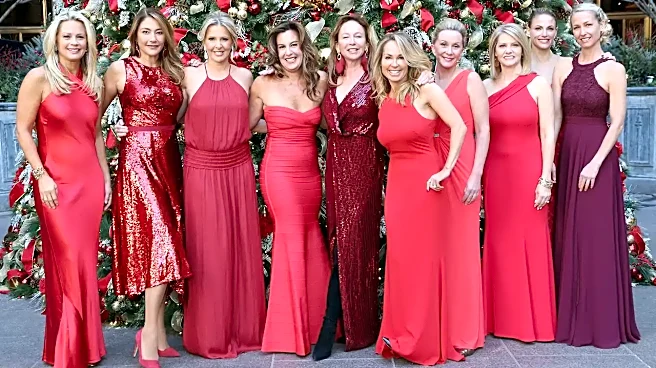
Today, few of us change outfits five times a day. Yet, the ghost of the Gilded Age dinner dress haunts our modern holiday traditions. The idea that a festive gathering calls for a special outfit—something more luxurious and visually splendid than our everyday wear—is a direct descendant of this era. When we reach for a garment in a rich fabric like velvet, satin, or silk, we are channeling the Gilded Age preference for materials that catch the light. The 'holiday color palette' of deep jewel tones, rich reds, and dark greens mirrors the autumnal and winter-themed gowns worn by hostesses like Frances Louisa Tracy Morgan, wife of banker J.P. Morgan. The very act of 'dressing for the occasion' is a nod to the Gilded Age belief that clothing is a crucial part of acknowledging an event's importance. While our rules are far more relaxed, the fundamental idea that a holiday dinner is an event worthy of a special, more formal look is a tradition that was codified in the glittering, competitive dining rooms of the late 19th century.