

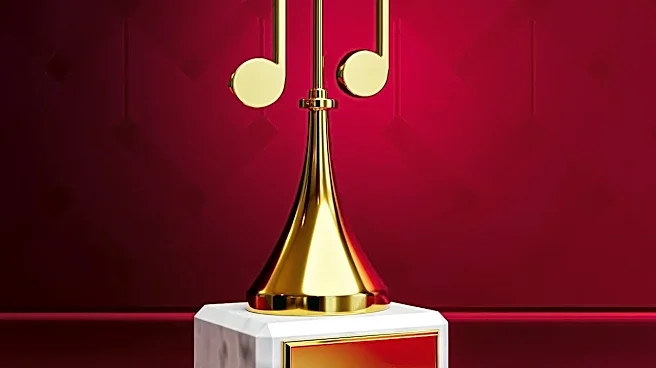
The Mood: You Want Prestige and Big-Budget Spectacle
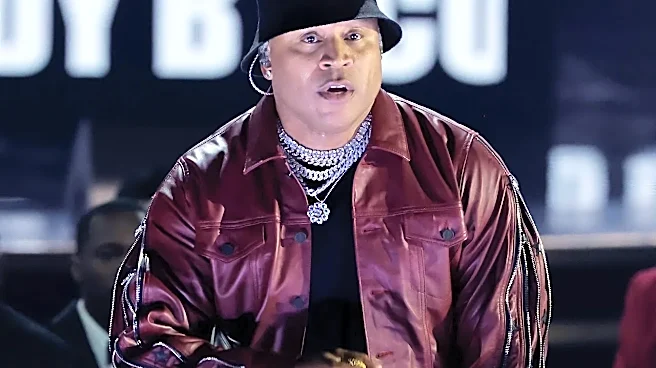
Your Pick: The Grammy Awards. When you want to see hip-hop artists on the world's biggest and most polished stage, turn to the Grammys. This is where rap takes its seat alongside pop, rock, and country, vying for the iconic golden gramophone. The journey
has been long; the Grammys were slow to embrace hip-hop, only introducing a rap category in 1989. Today, however, the show features show-stopping, high-concept performances from the genre's biggest A-listers. While often criticized for legacy biases and a perceived disconnect from street-level hip-hop, the Grammys offer undeniable mainstream validation. It's the show for career-defining moments, cross-genre collaborations, and seeing your favorite rapper in a tailored suit. It's less about the culture's cutting edge and more about its commercial and critical peak.
The Mood: You Crave Authenticity, Cyphers, and Culture
Your Pick: The BET Hip Hop Awards. Not to be confused with the broader BET Awards, this ceremony is specifically for the culture, by the culture. Launched in 2006, it quickly became the go-to platform for what's really bubbling in the genre. The main draw for many are the cyphers—pre-taped and live freestyle sessions where new stars, established lyricists, and living legends go bar-for-bar. This is where lyricism is king, and awards like "Lyricist of the Year" and "DJ of the Year" feel just as important as Album of the Year. If you're looking for authenticity, less Hollywood glitz, and a true celebration of the craft from a distinctly Black perspective, this is your ceremony. It’s where you’ll find raw energy, tributes to foundational figures, and a finger firmly on the pulse of the streets.
The Mood: You Want to See the Future, Today
Your Pick: The XXL Freshman Class. This isn't a traditional awards show, but no list is complete without it. Since 2007, XXL Magazine's annual Freshman Class cover has served as a definitive roadmap for hip-hop's next wave. The selection process itself generates months of debate, but the final list of 10 to 12 artists is seen as a major predictor of future stardom. Past classes have included now-household names like J. Cole, Kendrick Lamar, Chance the Rapper, and Megan Thee Stallion. Watching the annual reveal, the freestyles, and the group cyphers is like having a scout give you a cheat sheet on who will be dominating the charts and conversations for years to come. For the fan who loves to say "I knew them when," the XXL Freshman Class is required viewing.
The Mood: You're Feeling Nostalgic for Chaos and Controversy
Your Pick: Rewatching The Source Awards. Though it hasn't aired in years, The Source Awards remains a legendary, almost mythical event in hip-hop history. From 1994, it was the original hip-hop awards show, capturing the genre in its raw, unfiltered, and often volatile state. The 1995 ceremony is the stuff of legend, an event that arguably ignited the East Coast vs. West Coast rivalry in the public eye. It was where Suge Knight famously took a shot at Bad Boy Records from the stage and where a booed OutKast had André 3000 defiantly declare, "The South got somethin' to say." Watching old clips isn't just a history lesson; it's a window into an era when regional pride was fierce, tensions were high, and the culture felt dangerous and unpredictable. It's the ultimate pick when you're craving high-stakes drama.
The Mood: You Appreciate All-Around Black Excellence
Your Pick: The BET Awards. While the BET Hip Hop Awards focuses squarely on the genre, the main BET Awards ceremony is a broader celebration of Black achievement in music, sports, and acting. It’s the premiere platform for celebrating the full spectrum of Black culture, and hip-hop is always a centerpiece. Here, you'll see a Best Male Hip Hop Artist award given out, but you'll also see it presented alongside gospel, R&B, and acting awards. The performances are grand, often weaving together different genres and featuring tributes to cultural icons. This is the show to watch when you want to see hip-hop celebrated as a vital and dominant part of the larger tapestry of Black entertainment and influence. It contextualizes the music's power within the broader cultural conversation, making for a powerful and comprehensive viewing experience.