





The Suit's Silent Narrator
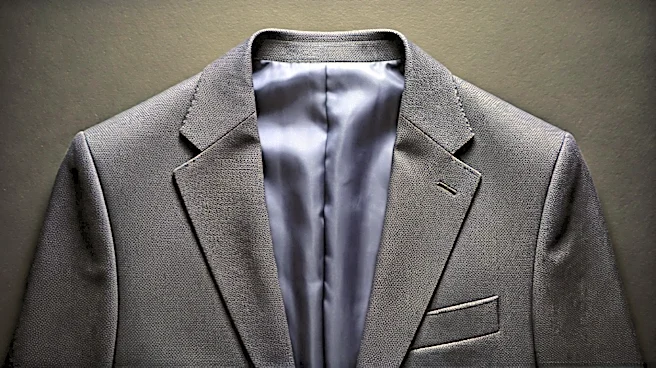
First, the basics. The lapel is the folded flap of cloth on the front of a jacket or coat, most commonly found on formal wear and suit jackets. It's technically what you get when you fold back the front edge of the jacket and sew it to the collar. But
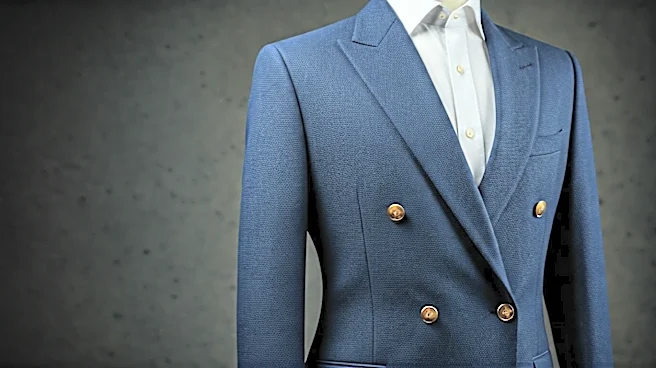
its significance goes far beyond its construction. Along with the shoulder line and the button stance (the height of the top button), the lapel is one of the three core architectural elements that define a jacket’s silhouette and character. Changing its width or shape—from a slim ‘notch’ to a dramatic ‘peak’—fundamentally alters the garment's attitude. Insiders care because it’s not an arbitrary choice; it’s a deliberate signal about the suit’s heritage, its modernity, and the message it’s trying to send.
A Barometer of Cultural Mood
Look back at any decade, and the lapels will tell you the story. The 1970s, an era of disco-fueled bravado and peacocking, gave us famously wide, often outrageously flared lapels that screamed confidence and a certain brand of louche glamour. Think John Travolta in *Saturday Night Fever*. Contrast that with the early 1960s, when lean, minimalist suits worn by figures like JFK or the early Beatles featured razor-thin lapels that projected youthful energy and a break from the stuffy traditions of their parents. The 1980s saw the rise of the ‘power suit,’ where wide, sharp lapels sat atop heavily padded shoulders, creating an aggressive, top-heavy silhouette that mirrored the era’s Wall Street ambitions. And in the 2000s and 2010s, the skinny-suit craze, fueled by indie rock and shows like *Mad Men*, brought back the ultra-slim lapel. In menswear, lapel width swings like a pendulum, often reflecting the economic and social confidence of the times: wide and bold in booms, thin and restrained in leaner periods.
The Simple Physics of Proportion
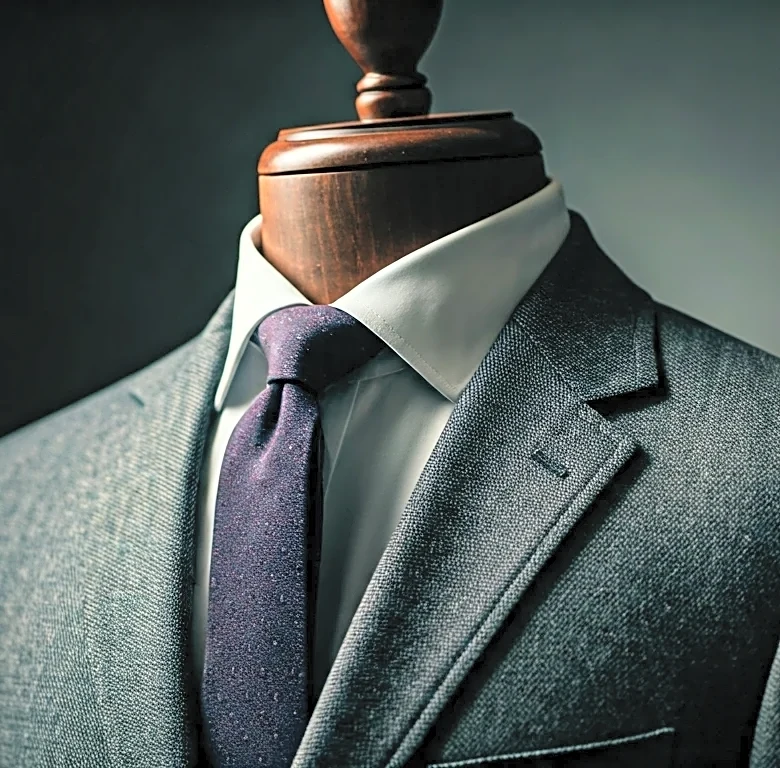
Beyond trends, lapel width is a crucial tool for achieving good old-fashioned balance. This is where the art meets the science. A well-dressed man understands that a suit’s job is to create a flattering V-shape, broadening the shoulders and tapering to the waist. The lapel is key to this illusion. A very wide lapel on a small-framed man can look comical, overwhelming his torso. Conversely, a very skinny lapel on a broad-chested man can look shrunken and silly, making his head and shoulders seem disproportionately large. The classic rule of thumb is that the width of your lapel at its widest point should roughly match the width of your tie. This creates a visual harmony that just *looks* right. Today’s trend toward a slightly wider, more moderate lapel isn’t just a fashion statement; it's a return to these classic, flattering proportions that work on more body types than the extreme skinny or super-wide styles of the past.
What Today's Lapels Are Saying
So, what’s the verdict now? For the last several years, menswear has been steadily moving away from the shrunken, ultra-slim-fit suits that dominated the 2010s. The current mood favors a return to a more classic, comfortable, and confident silhouette. This means lapels have been getting wider again—not 1970s-disco wide, but a healthy, balanced width that sits comfortably between 3 and 3.5 inches for most men. This shift signals a rejection of fleeting trends in favor of something more timeless and elegant. It suggests a man who is confident in his choices and isn't trying to conform to a passing fad. He’s investing in a garment that looks good now and will still look good in five years. Caring about lapel width, in this context, is about appreciating craftsmanship and understanding that the most enduring style is often found in the mastery of subtle details.