



From Roman Furrier to Global Icon
To understand Fendi's menswear, you have to start in 1925 Rome, where Adele and Edoardo Fendi opened a boutique specializing in fur and leather goods. This origin story isn't just trivia; it's the brand's foundational DNA. For decades, Fendi was synonymous
with opulent women's furs, a status symbol crafted with unparalleled Italian skill. This deep, institutional knowledge of how to cut, treat, and innovate with fur is a resource other brands simply don't have. When Fendi seriously invested in its menswear line, it wasn't starting from scratch. It was drawing from a century-long library of material expertise, giving its use of fur and shearling an authenticity that's hard to replicate and grounding its designs in master craftsmanship.
The Silvia Venturini Fendi Effect
The driving force behind this modern vision is Silvia Venturini Fendi, the third-generation family member and Artistic Director of Accessories and Menswear. Where luxury menswear often defaults to sharp tailoring or athletic streetwear, Venturini Fendi carved a third path: a wardrobe rooted in a gentle, almost domestic, sensibility. Her collections frequently explore themes of family, home, and introspection, translating them into clothing that feels as good as it looks. She perfected the idea of “indoor-outdoor” dressing—pieces sophisticated enough for the city but comfortable enough for the sofa. This philosophy created the perfect context for materials like shearling and cashmere to become stars, shifting the focus from “What does this look like?” to “How does this make me feel?”
Reclaiming Fur for Men
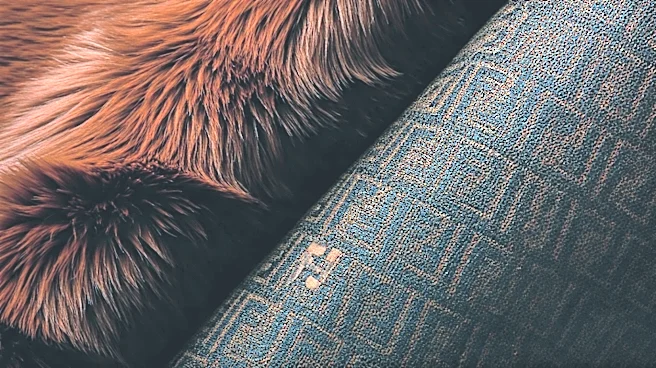
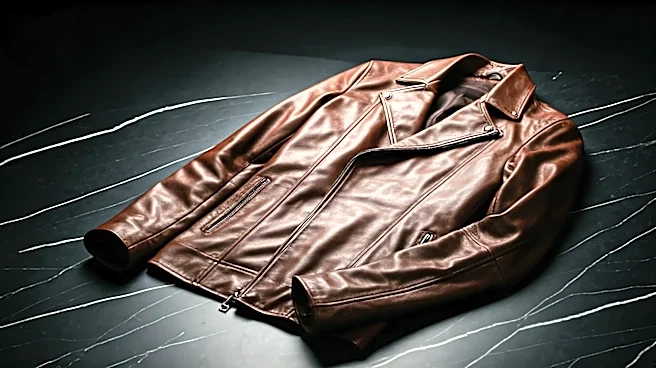
The idea of men in fur can conjure dated images of 1970s excess. Fendi cleverly sidesteps these tropes. Instead of flashy, full-length coats, the house often uses fur as a textural accent or a secret luxury. A bomber jacket might feature a detachable mink collar. The lining of a simple wool overcoat might be plush, shaved shearling—a pleasure reserved primarily for the wearer. Fur appears as a graphic element on sweaters, as tufted details on bags, or even as the material for opulent house slippers. By integrating it in subtle, surprising ways, Fendi reframes fur not as a tool of ostentatious display, but as an element of personal comfort and sophisticated craft. It's a luxury that’s more about being felt than being seen.
Beyond Fur: The Gospel of Texture
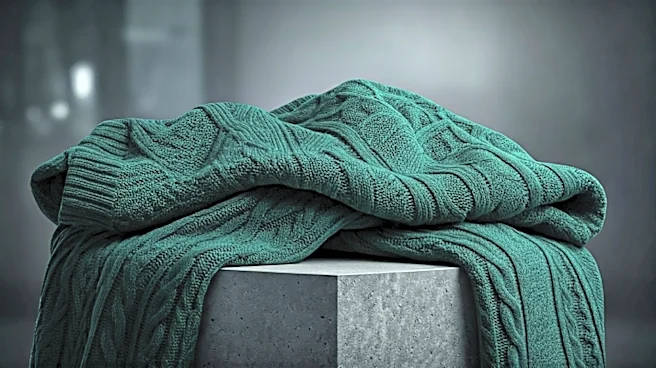
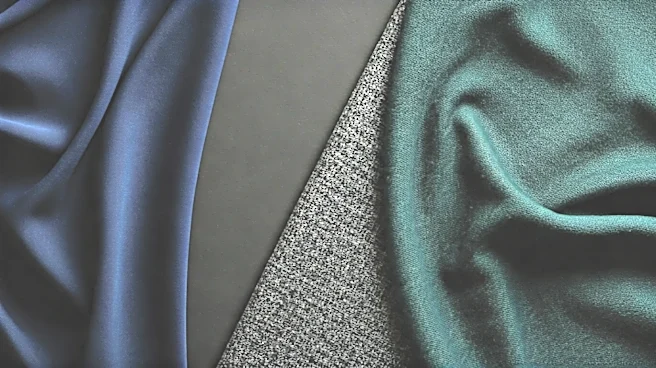
While fur gets the headlines, Fendi's true “code” is a broader obsession with texture. The brand's menswear collections are a masterclass in tactile variety. Buttery-soft leathers sit alongside chunky ribbed knits; smooth, technical nylon is contrasted with fuzzy mohair. Shearling, fur's more approachable cousin, is used liberally as lining, on collars, and for entire coats that feel like a wearable hug. Even the famous “FF” logo is often rendered not as a flat print but as a textured jacquard or an embossed pattern that invites touch. This holistic focus on tactility creates a full sensory experience, transforming a simple garment into an object of profound comfort and material richness.
Defining the 'New Normal' Man
Ultimately, Fendi's material choices are a statement about modern masculinity. By prioritizing softness, comfort, and introspective luxury, the brand champions a new male archetype. The Fendi man isn't defined by rigid suits or aggressive logos. He is confident enough to embrace softness and values the quiet indulgence of a perfectly crafted fabric. He understands that strength doesn't have to be hard-edged. This approach has proven incredibly influential, anticipating a broader cultural shift towards a more nuanced and emotionally aware form of masculinity. The shearling slides and cashmere tracksuits are more than just clothes; they are symbols of a quiet confidence that has become a defining code of contemporary menswear.