


From Blockbuster Characters to Abstract Concepts
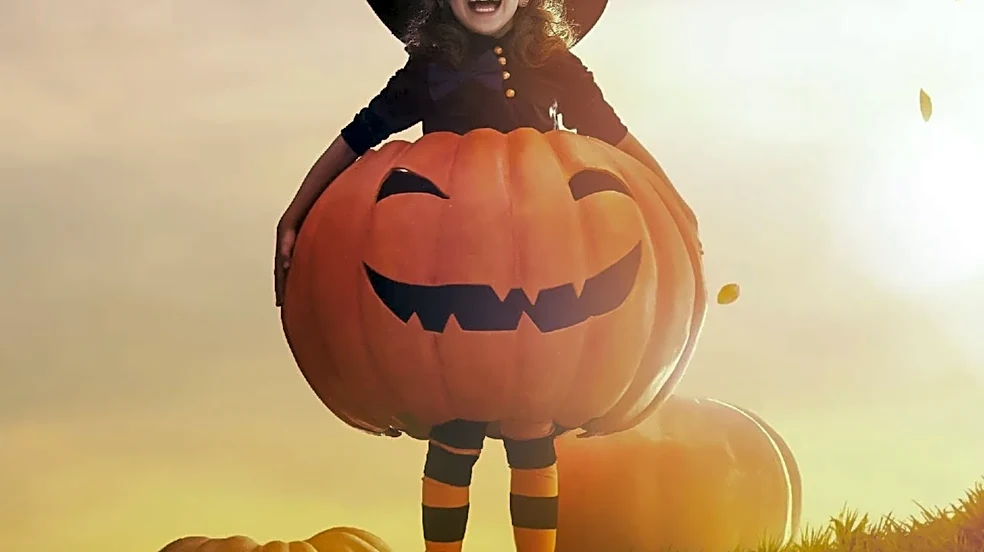
For years, the central question of Halloween has been, 'Who are you dressed as?' The answer was typically a specific character from a film, TV show, or comic book. Major retailers still forecast top sellers based on box office hits, with heroes and villains
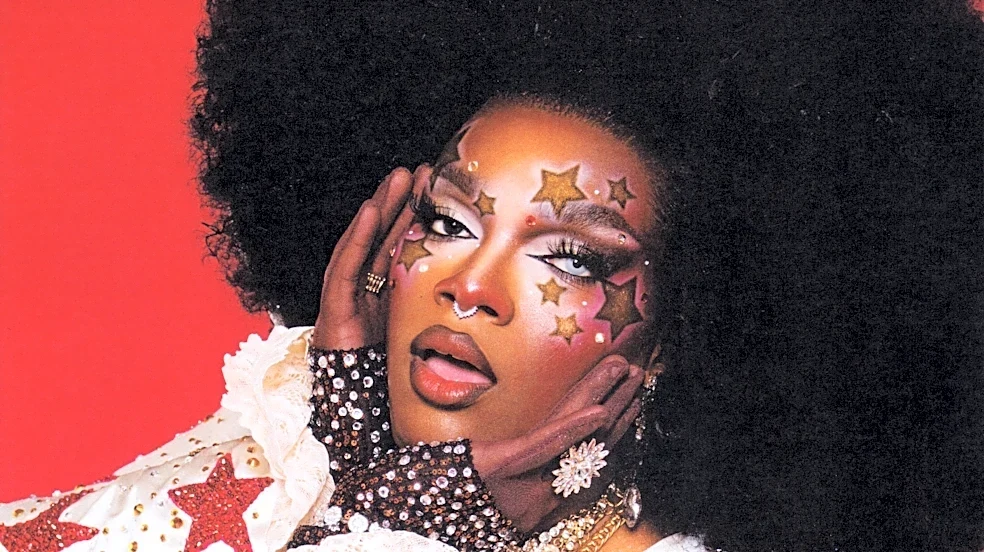
from franchises like 'Avengers: Doomsday' and mythological figures inspired by epics like 'The Odyssey' remaining popular choices for 2026. However, a growing movement is pushing the boundaries of costume design. Instead of embodying a specific person, people are dressing as ideas, aesthetics, and feelings. This is the 'fashion is art' effect in action, where the goal isn't immediate recognition but creative expression. Think costumes like 'a glitch in the matrix', 'dopamine dressing', or a walking, wearable interpretation of a surrealist painting. These looks prioritize mood and artistry over mimicry.
The Social Media Runway
This trend is fueled significantly by Instagram and TikTok, platforms that reward originality and visual impact. While a store-bought superhero costume is fun for a party, it's less likely to stop a user's scroll. An abstract, beautifully executed artistic look, however, is perfectly designed for the digital spotlight. Many now approach their Halloween costume not just as an outfit for a night, but as a potential viral moment. This has given rise to people dressing as memes, social media platforms themselves, or even aesthetic concepts like Y2K 'it girl' glam. This approach encourages a DIY spirit, where assembling a look from your own closet becomes part of the art. The focus shifts from simply wearing a costume to creating a 'look' that is both personal and shareable.
Dressing Like a Masterpiece
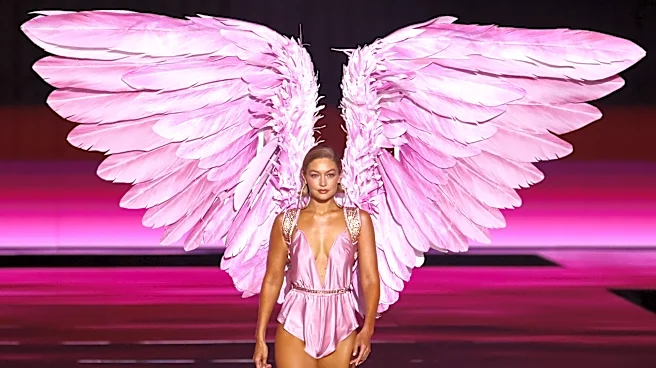
The idea of wearing art isn't entirely new, with costumes inspired by figures like Frida Kahlo and Andy Warhol being mainstays for years. What's different now is the move toward embodying the artwork itself. People are using makeup and fabric to transform into a Roy Lichtenstein comic panel, a swirling Van Gogh landscape, or a Cubist portrait by Picasso. These costumes require a higher degree of artistry and planning, often involving intricate makeup or clever construction. Similarly, avant-garde runway looks from high-fashion designers are being deconstructed and recreated as Halloween statements. A dramatic, sculptural dress or a creatively layered ensemble is no longer just for the Met Gala; it’s becoming a valid and celebrated form of Halloween expression.
Your Costume, Your Canvas
Ultimately, this trend represents a democratization of creativity. It suggests that you don't need a licensed character costume to participate in Halloween. Your own closet, a few clever accessories, and a strong concept can be more than enough. It allows for a deeper level of personal expression, turning the body into a canvas. Instead of asking 'Who are you?', the question becomes 'What's your vision?'. It could be a pun brought to life, an architectural concept, or an homage to a design movement. This shift empowers individuals to be artists for a day, moving beyond the confines of pre-packaged identities and into a realm of pure, stylish imagination.