




The Modern Gladiator Arena
At its core, the appeal of the reunion special is primal. It’s the modern Colosseum, a neatly produced space where season-long conflicts are brought to a head. For shows in the reality space, from the sprawling 'Real Housewives' universe to competition
series like 'The Traitors', the reunion is the Super Bowl. It’s not just a recap; it’s the final chapter where simmering tensions are expected to boil over. The format promises confrontation, accountability, and, occasionally, resolution. Viewers who may have missed half the season can parachute in for the finale, armed with a few key plot points, and witness the payoff. The entire spectacle is designed for maximum drama, from the strategic seating charts that place rivals side-by-side to the host who acts as both prosecutor and therapist.
Weaponized Nostalgia and Instant History
While reunions for classic scripted sitcoms trade on warm, fuzzy nostalgia, the reality TV version operates on a much shorter, more intense timeline. It weaponizes recent history. The drama isn't a fond memory from the 90s; it’s a conflict that unfolded on our screens just weeks ago. The reunion serves as the official court of opinion, where cast members are forced to answer for their on-screen behavior. It provides a sense of closure or, more tantalizingly, a preview of feuds that will bleed into the next season. The events of the season are re-litigated with the benefit of hindsight, allowing viewers to see who has learned, who has doubled down, and who is there to rewrite their own narrative.
The Social Media Second Screen
The single biggest factor in the reunion’s enduring power is social media. The special is no longer a passive viewing experience; it’s a live, interactive event. Platforms like X (formerly Twitter) and TikTok become a vast, digital sports bar where every viewer is a commentator. Hashtags trend, memes are born, and clips of explosive moments are edited and shared before the episode even ends. This second-screen experience creates a powerful feedback loop. Viewers feel like they are part of a massive, shared experience, dissecting every eye-roll, outfit, and prepared zinger in real-time. Producers understand this, and the shows themselves are now made with this social media ecosystem in mind, creating moments built to go viral.
The Skilled Ringmaster
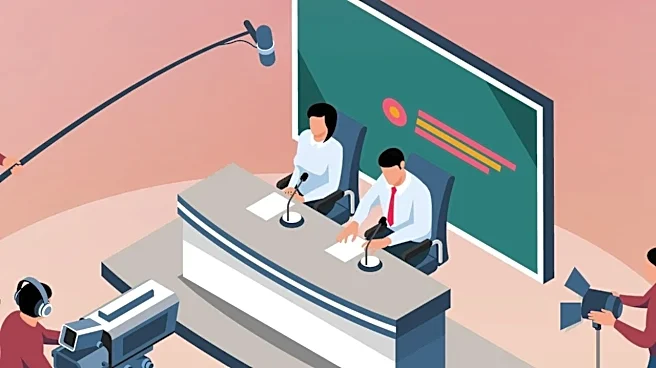
A great reunion doesn't just happen; it's orchestrated. The role of the host is critical. They are the ringmaster tasked with navigating the complex web of alliances and grievances. A skilled host knows when to press for answers, when to de-escalate, and when to introduce a surprise piece of evidence—the infamous "receipts." They break the fourth wall, directly addressing the social media chatter and audience questions that have built up over the season. This act of acknowledging the viewer’s investment makes the audience feel seen and turns the reunion from a simple Q&A into a dynamic, responsive event. It validates the weeks viewers have spent analyzing plotlines and forming allegiances from their couches.