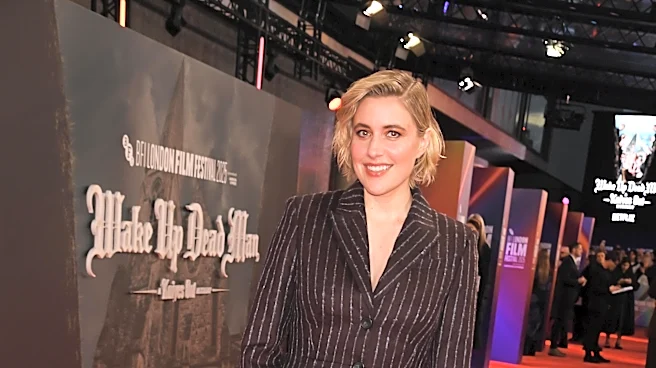



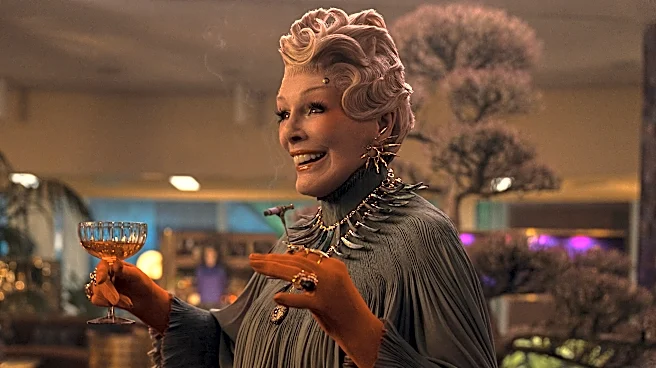
For years, Netflix built its empire by telling you to stay home. Now, in a stunning reversal, it's sending one of its biggest future blockbusters, Greta Gerwig's 'Narnia', to the biggest screen possible. This isn't just a release date change.
From Streaming Flagship to Cinema Event
The plan
for Greta Gerwig’s highly anticipated adaptation of 'The Chronicles of Narnia' has undergone a dramatic evolution, reflecting a tectonic shift in Hollywood strategy. Initially, reports pointed to a limited two-week IMAX run around Thanksgiving 2026 before a quick move to Netflix for Christmas. That itself was a big step for the streamer. But the strategy has since become even more traditional. The first film, titled 'Narnia: The Magician’s Nephew', will now have IMAX-only sneak previews on February 10, 2027, followed by a wide global theatrical release in both IMAX and standard theaters on February 12. The movie won't hit the Netflix streaming platform until April 2, 2027, giving it a 49-day exclusive theatrical window. This marks the longest exclusive theatrical run Netflix has ever given one of its own major films and signals a profound change in thinking.
Rewriting the Netflix Playbook
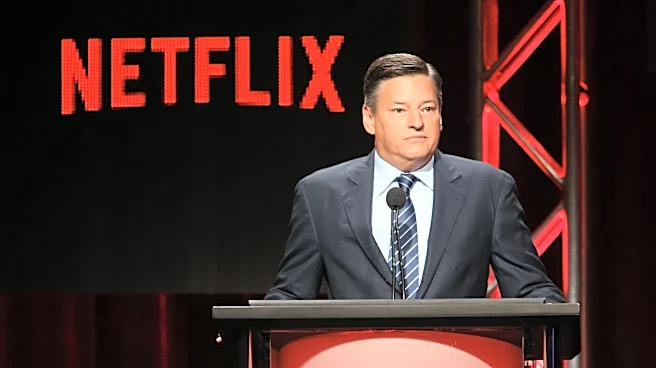
This move is so significant because it cuts against the very philosophy that made Netflix a disruptive force. For over a decade, the company’s identity was built on bypassing theaters and delivering content directly to subscribers’ homes. Theatrical releases were mostly seen as a necessary but brief hurdle for films to qualify for awards like the Oscars. Co-CEO Ted Sarandos himself has historically been a vocal critic of the traditional theatrical window model, calling it outdated. The company's prior strategy prioritized adding value for subscribers, believing that making people wait months for a film to stream was a relic. Now, with 'Narnia', Netflix isn't just tolerating a theatrical run; it's engineering a full-blown cinematic event designed to compete directly with blockbusters from legacy studios like Disney and Warner Bros.
Why the Change of Heart?
So, why would the king of streaming suddenly embrace its old rival, the movie theater? The answer lies in a new Hollywood reality. The 'streaming wars' have proven that simply dropping a blockbuster online doesn't guarantee it becomes a cultural phenomenon. A theatrical release, especially on premium screens like IMAX, creates buzz, perceived value, and an 'event' status that's hard to replicate at home. This can actually boost a film’s performance when it eventually does land on the streaming service. Furthermore, with a director as powerful as Greta Gerwig, fresh off the historic success of 'Barbie,' talent has leverage. Gerwig reportedly made it clear she makes movies for the big screen, and Netflix listened. The strategy also opens up a significant new revenue stream from box office ticket sales, something Netflix has historically left on the table.
A Hybrid Future for Film
The 'Narnia' decision is the clearest sign yet that the future of film is a hybrid model. Even the biggest streamers are acknowledging that theatrical and streaming windows don't have to be enemies; they can be complementary. For audiences, this likely means that the biggest, most spectacle-driven films from services like Netflix will increasingly get a proper cinema debut. While Netflix maintains it is still a 'streaming-first' business, Sarandos has confirmed a slate of around 30 films for theatrical release, with 'big family films' based on global IP like Narnia getting the widest runs. This suggests a tiered system: smaller films may still go straight to streaming, but for its biggest franchise bets, Netflix is now willing to play by cinema's rules to build the next generation of blockbuster IP.