





The Battle of Pacing and Patience
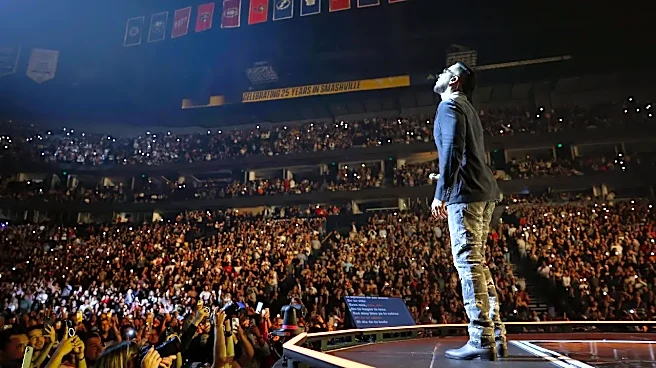
An awards show is two distinct events happening at once. For the arena audience, it’s a high-energy concert where momentum is everything. They came for live music, not the jarring stop-and-start rhythm of a television production. Every commercial break,
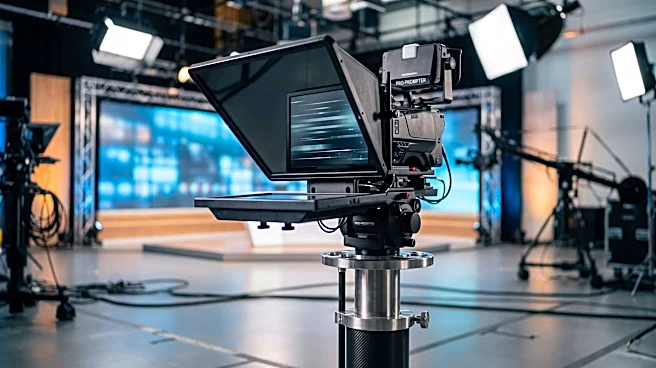
lasting three to four minutes, is an energy vacuum. What the home viewer sees as a seamless transition between a performance and an ad for a pickup truck, the person in seat 308 experiences as dead air, house lights coming up, and stagehands scrambling in the semi-darkness. This is the core conflict: the broadcast needs these breaks, but the live experience suffers for them. Producers have to create an event that keeps the arena crowd engaged even when the cameras are off, a challenge that requires more than just a host telling a few off-the-cuff jokes. It demands a production designed to feel like a cohesive show for the room, not just a series of segments for television.
An Audio Experience for Two Different Worlds
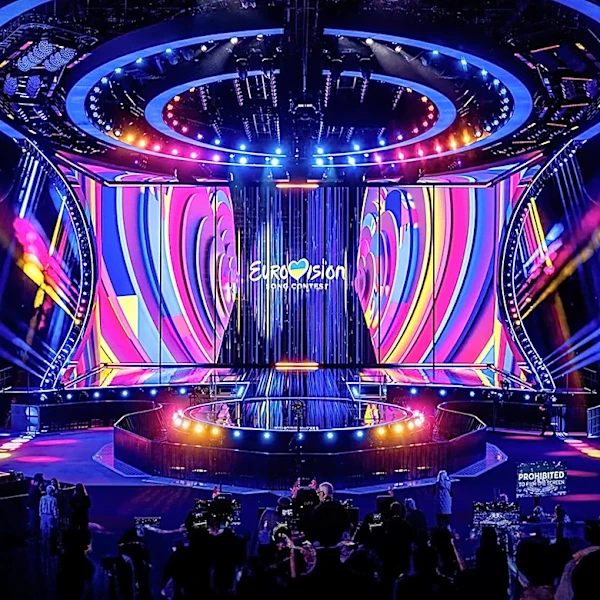
Sound is another major battlefield. The audio mix for a live arena show is designed to fill a massive space with clear, powerful sound that overcomes the ambient noise of thousands of cheering fans. It’s loud, visceral, and built for communal energy. The broadcast audio mix, however, is an entirely different beast. It is meticulously engineered for television speakers and headphones, balancing lead vocals, intricate harmonies, and individual instruments with surgical precision. The home viewer wants to hear every nuance of a Chris Stapleton guitar solo or the blended harmonies of a group like Brothers Osborne. A mix that sounds perfect in the arena can feel muddy or blown-out on TV, while a perfect broadcast mix might lack the raw power needed to move the live audience. The 2026 CMAs, like those before it, must run two separate audio operations at once—one for the room, one for the broadcast—and nail them both.
The Authenticity Tightrope
The magic of an awards show lies in its 'moments'. For the television audience, these are often curated: a close-up on a tearful winner, a reaction shot from a proud peer, or a perfectly produced tribute package, like the one planned for the late Dolly Parton or the Willie Nelson Lifetime Achievement Award for Brooks & Dunn. But for the in-arena audience, the best moments are often the unscripted ones—the spontaneous standing ovations, the inside jokes that land with the Nashville crowd, and the feeling of witnessing history from a few hundred feet away. Host Lainey Wilson, in her third year, has the difficult job of speaking to both audiences at once. A joke written for the broadcast might fall flat in the arena, while an ad-lib that brings the house down might not make sense to a viewer in another state. The show must create space for genuine emotion and spontaneity that translates both in the room and through the lens.
A Blueprint for a Unified Show
So how can the CMAs win this two-front war? It starts by acknowledging the divide and programming for it. During commercial breaks, use the big screens to give the arena audience exclusive content: behind-the-scenes footage, interviews, or even a live 'B-stage' performance that won't be televised. This turns downtime into a value-add for ticket holders. Performances, from massive stars like Taylor Swift to top nominee Ella Langley, should be staged with an eye for both experiences. This means creating compelling visuals for the cameras that don’t rely on elements invisible to the live crowd, and ensuring performers are directed to engage the people in the cheap seats, not just the red light on Camera 3. By treating the live show and the broadcast as two equally important, intertwined products, the CMA Awards can deliver on its promise as 'Country Music’s Biggest Night' for everyone, no matter where they’re watching.