
The Prestige Is Now Televised
Not long ago, television was seen as a stepping stone to film, or a soft landing place for a career on the decline. That hierarchy has completely collapsed. Today, TV—especially on streaming platforms
and premium cable—is where the most ambitious storytelling often happens. While the film industry has become increasingly reliant on massive superhero franchises and sequels, television has become a haven for the kind of complex, adult-oriented, character-driven stories that used to be the bedrock of mid-budget cinema. For an actor, this means access to richer roles. A two-hour movie can only explore so much, but an eight or ten-episode limited series offers the narrative space of a novel. Just this month, we're seeing it play out with premieres like Florence Pugh leading a new adaptation of 'East of Eden' on Netflix and Paul Bettany reprising his Marvel role in a dedicated Disney+ series, 'VisionQuest'. These aren't just one-off guest spots; they are leading roles in marquee projects that allow for deep character exploration over many hours.
More Than Just a Paycheck
While the money is certainly a factor—top-tier actors can now command salaries of $1 million per episode or more—the appeal of television runs deeper than just a lucrative contract. Many film stars are drawn to the creative control and collaborative spirit that modern television offers. Big names like Sylvester Stallone in 'Tulsa King' or Keri Russell in 'The Diplomat' often take on producer roles for their series, giving them a significant say in the script, casting, and overall direction of the project. This level of involvement is rare in the director-dominated world of feature films. Furthermore, the limited series format provides a perfect middle ground. It offers a substantial, meaty role without the multi-year commitment of a traditional 22-episode network drama. An actor can shoot an entire season in a few months, leaving them free to pursue other projects, including films. This flexible schedule makes television a far more attractive proposition than it was a decade ago.
Blurring the Lines for Good
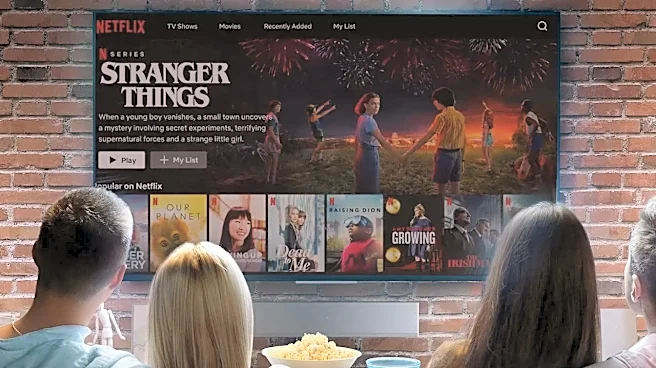
The rise of streaming has effectively erased the line between 'movie star' and 'TV star'. When a platform like Netflix or HBO Max releases a star-studded project, audiences rarely distinguish between whether it's a 'movie' or a 'series'. It's simply new 'content'. A film star's presence no longer feels like a demotion; it feels like a guarantee of quality. They bring instant recognition and a built-in audience to a project, which is invaluable in a crowded media landscape where hundreds of new shows compete for attention. This synergy benefits everyone. The star gets a complex role and a hefty, often upfront, payday. The streaming service gets a marketing hook and the prestige that comes with A-list talent. And the audience gets to see their favorite actors in high-quality productions without leaving their living room.
A Win for Autumn Audiences
So why does this trend seem to peak in October? The fall has always been the most important season for television, the time when networks and streamers launch their biggest and boldest shows to capture audience attention as the nights draw in. In 2026, the competition is fiercer than ever, with every platform vying for subscription dollars. Attaching a major film star to a new series is the ultimate power move. It cuts through the noise and signals to viewers that a show is a must-watch event. Whether it's Liev Schreiber in a new crime drama or Kristen Bell in a new comedy, a familiar, bankable star is the most reliable way to make a premiere feel like an occasion. It transforms a simple debut into a cultural moment, giving audiences a clear reason to tune in amid a sea of options.