




The Loofah: Maximum Exfoliation, High Maintenance
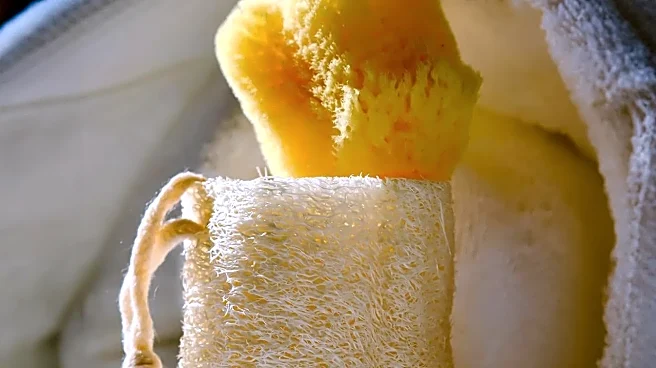
Nothing quite matches the intense, satisfying scrub of a loofah. prized for their ability to exfoliate, loofahs excel at sloughing off dead skin cells, leaving skin feeling exceptionally smooth and invigorated. This exfoliating power can improve circulation
and give your skin a vibrant glow. However, this effectiveness comes with a significant downside: hygiene. The porous, fibrous structure that makes a loofah a great scrubber also makes it a perfect breeding ground for bacteria, mold, and yeast, especially in the warm, moist environment of a shower. Dead skin cells get trapped in its nooks and crannies, providing a feast for microorganisms. To use a loofah safely, dermatologists recommend replacing natural ones every three to four weeks and plastic versions every two months. You should also allow it to dry completely between uses—ideally outside the shower—and consider cleaning it weekly by soaking it in a diluted bleach solution. It's also advised to avoid using a loofah on your face or for a few days after shaving when your skin is more vulnerable to infection.
The Washcloth: A Balanced and Controllable Clean
The humble washcloth strikes a middle ground, offering gentle exfoliation without the aggressive texture of a loofah. It provides more scrubbing power than hands alone, helping to remove dirt and dead skin effectively. One of its biggest advantages is control; you can easily adjust the pressure for sensitive areas versus rough spots like elbows and knees. Washcloths are also reusable and easy to clean by simply tossing them in the laundry. However, hygiene is still a major consideration. A damp washcloth left in the shower can harbor bacteria just like a loofah. To maintain proper hygiene, experts recommend using a fresh, clean washcloth for every shower. This prevents you from re-introducing bacteria and grime onto your clean skin. For those with sensitive skin or conditions like eczema, choosing a cloth made from a very soft material, such as cotton, is crucial to avoid irritation and protect the skin's moisture barrier.
Your Hands: The Gentlest and Most Hygienic Option
According to many dermatologists, the best tools for washing your body are the ones you were born with. Using your hands is unequivocally the gentlest method, making it ideal for those with sensitive, dry, or condition-prone skin like eczema. There's no risk of over-exfoliating or causing the microscopic tears in the skin that can result from abrasive tools. This method helps preserve the skin's natural oils and protective barrier. Hands are also the most hygienic choice, as they are easily washed and don't sit in the shower collecting bacteria. The primary drawback is the lack of exfoliation. While your hands can effectively cleanse the skin of daily dirt and sweat, they won't remove built-up dead skin cells. For those who prefer the smooth feeling that comes from exfoliation, relying on hands alone might feel incomplete. A good compromise is to use your hands for daily washing and incorporate a separate, gentle exfoliating scrub into your routine once or twice a week.
The Verdict: What's Right for Your Skin?
Ultimately, the best way to wash is a personal decision based on your skin type and priorities. If you have oily or dull skin and crave a deep exfoliation, a loofah can be a great tool, provided you commit to its strict replacement and cleaning schedule. If you want a balance of gentle cleansing and light exfoliation, a fresh washcloth daily is a reliable and effective choice. And if you have sensitive or dry skin, or if hygiene is your absolute top priority, washing with your hands is the dermatologist-approved winner. You can also mix and match, using your hands for daily cleansing and a washcloth or loofah once or twice a week for exfoliation. The most important thing is to listen to your skin; signs of irritation, redness, or dryness are clear signals that your current method may be too harsh.