



The Royal Gauntlet: A Primer
For Americans, Royal Ascot might just look like a fancy horse race where the hats defy gravity. But it’s one of the most important events on the British social calendar, steeped in centuries of tradition. And nothing says tradition like a rulebook. The
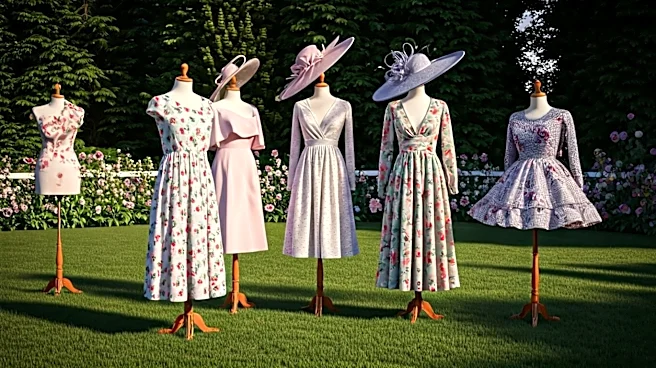
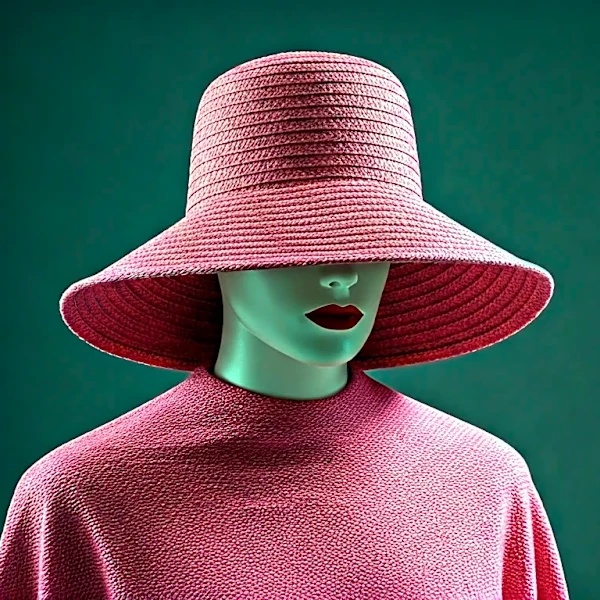
most prestigious area, the Royal Enclosure, has a dress code so specific it’s published annually and policed by on-site fashion arbiters. For women, this means dresses and skirts of “modest length” (defined as falling just above the knee or longer), and of course, a hat or a headpiece with a solid base of 4 inches or more. But the real minefield, the one that trips up even seasoned racegoers, is the rule about straps and sleeves.
Navigating the Strap and Sleeve Minefield
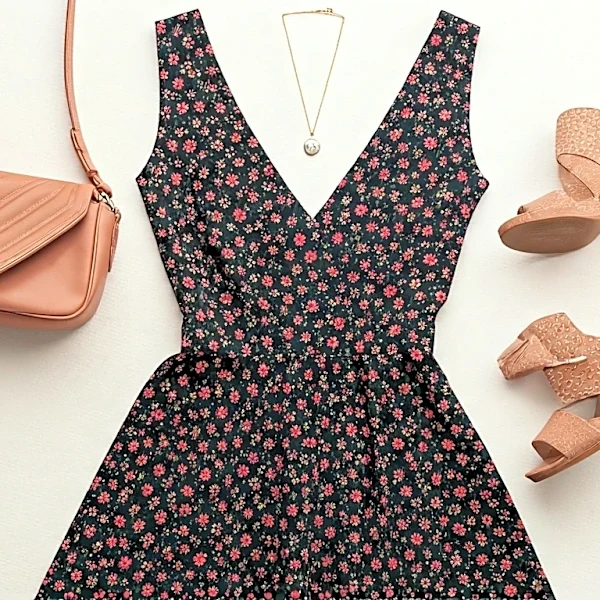
The official Royal Ascot Style Guide is famously direct. For the Royal Enclosure, dresses and tops must have straps of “one inch or greater.” This single rule immediately eliminates a huge swath of modern formalwear. Forget strapless, off-the-shoulder, bardot necklines, spaghetti straps, or even delicate halter tops. While you can wear a jacket or pashmina over a non-compliant dress, you must keep it on all day—a sweltering prospect for a June event. This creates the central anxiety: finding a dress that is both stylish and cool enough for a summer day, yet unquestionably compliant. Many attendees spend weeks searching for the perfect garment, terrified of a polite but firm denial of entry at the gates. It’s less about fashion and more about strategic survival.
The Quietly Confident Solution
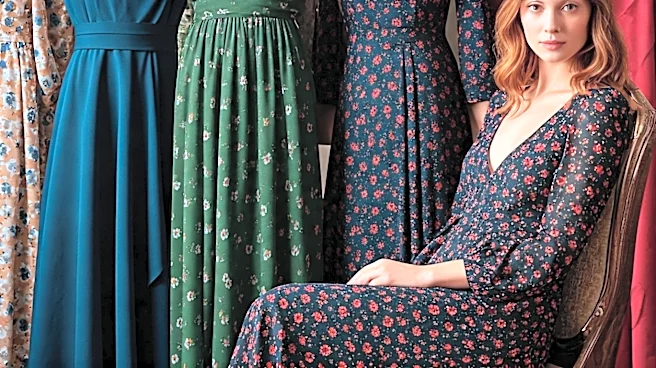
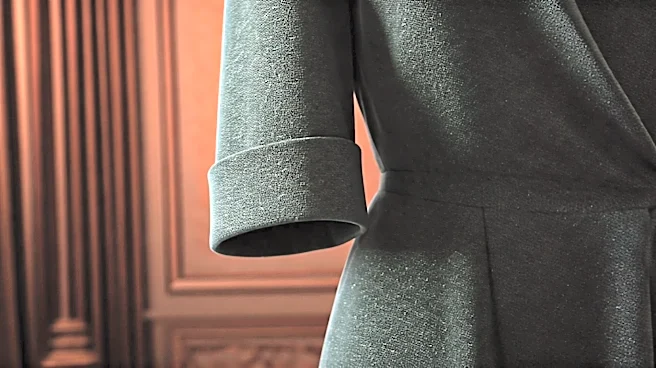
So, what’s the secret? It’s not a cap sleeve, which can sometimes be cut ambiguously close to the one-inch rule. It’s not a full-length winter sleeve, which is impractical for a summer garden party. The ultimate, anxiety-solving answer is the three-quarter sleeve. Also known as a bracelet sleeve, this length, which typically ends mid-forearm, is the unsung hero of the Royal Enclosure. It is unequivocally compliant, providing more than enough coverage to satisfy the strictest interpretation of the rules. There is zero ambiguity. A dress with a three-quarter sleeve signals that you’ve understood the assignment, respected the tradition, and chosen elegance over fleeting trends. It’s a quiet, confident choice that removes all doubt, freeing you to focus on the Champagne and the horses.
Why It's More Than Just a Rule
The genius of the three-quarter sleeve extends far beyond mere compliance. From a style perspective, it’s incredibly flattering. It highlights the slimmest part of the arm and draws attention to the wrist, creating an elegant silhouette. It offers a touch of modesty and structure without feeling matronly or restrictive. This sleeve length provides just enough coverage to feel polished and formal, but leaves enough skin exposed to feel appropriate for a daytime event in June. It has a timeless quality, evoking the effortless grace of style icons like Audrey Hepburn and Grace Kelly, who understood its power. In a sea of attendees trying to find loopholes with boleros and shawls, the integrated elegance of a three-quarter sleeve dress stands apart as both smart and sophisticated.
The Perfect Canvas for Accessories
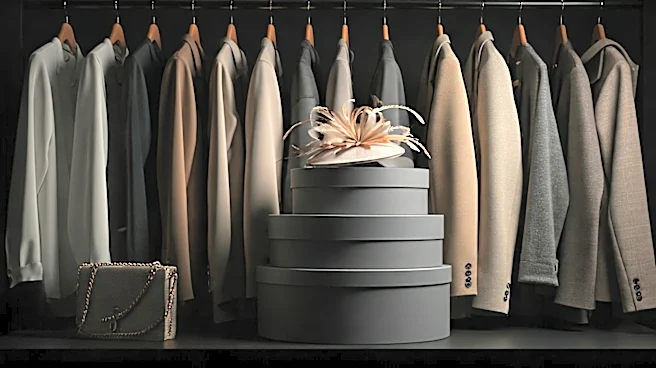
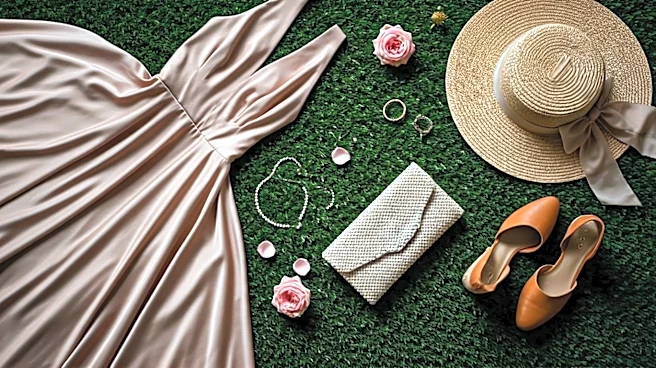
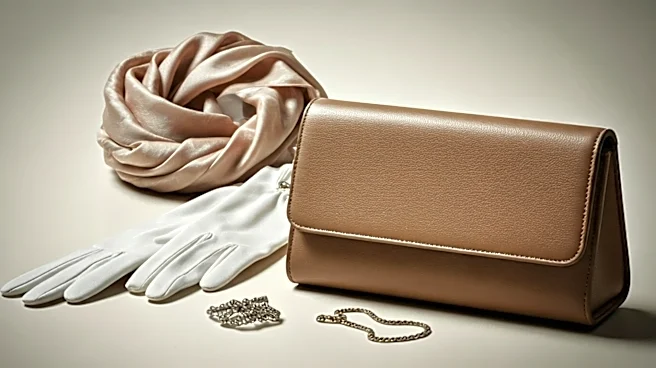
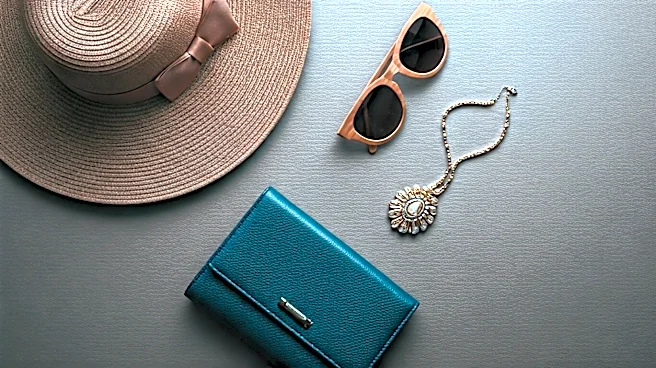
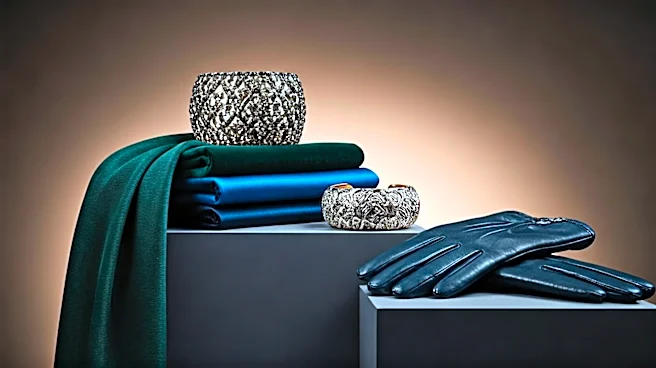
Finally, the three-quarter sleeve is the perfect partner for the other essential elements of an Ascot look. At an event where the hat is the main attraction, this sleeve provides a clean, unfussy line that doesn’t compete for attention. It creates a balanced look, preventing the outfit from feeling top-heavy. Furthermore, by ending at the mid-forearm, it perfectly frames a beautiful bracelet or a designer watch, allowing for a flash of personality and luxury. It works harmoniously with a clutch bag, ensuring your entire ensemble feels considered and complete. It's not just a sleeve; it's the foundation of a perfectly executed formal outfit.