





It All Starts With Skin
The true secret to makeup that lasts all night isn't a magic foundation; it's what you do before a single drop of makeup is applied. Makeup artists emphasize that great makeup begins with great skin prep. The process often starts the night before a major
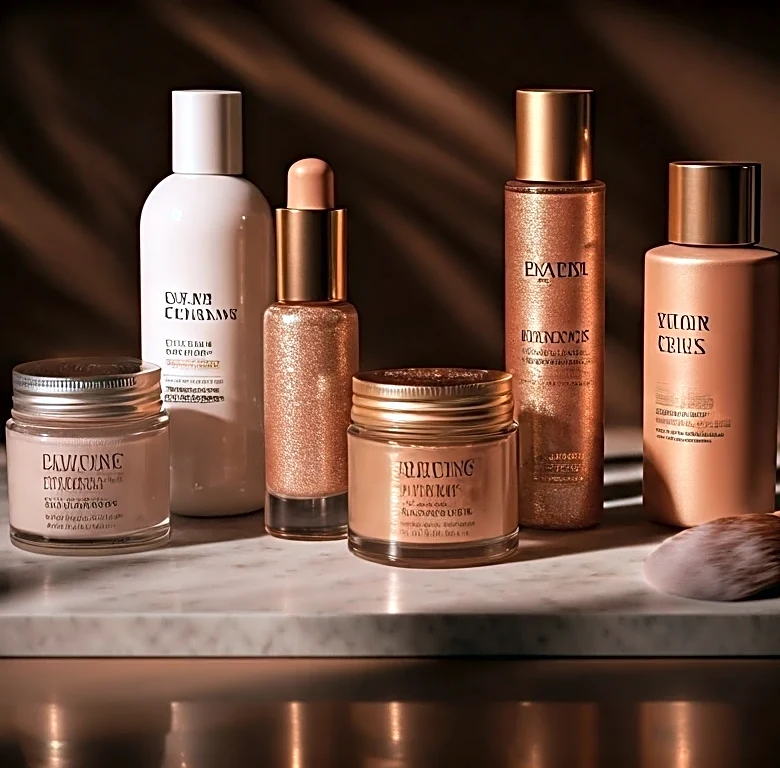
event with gentle exfoliation to create a smooth canvas, removing any dead or flaky skin so products can apply evenly. On the day of the event, the focus shifts entirely to hydration and calming the skin. Lightweight, water-based or gel moisturizers are key, as even oily skin needs hydration to prevent it from overproducing oil later. Artists often use hydrating serums and gentle cleansers to balance the skin without overwhelming it. For an extra boost of radiance and to calm any pre-show jitters, many artists turn to facial oils or calming serums to even out dry patches and create a luminous base before any color is added.
The Priming Principle
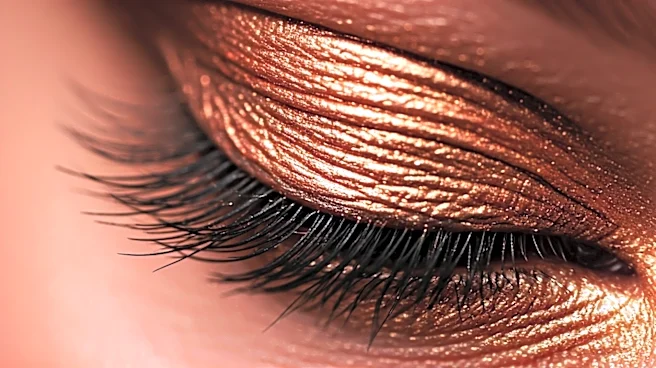
Once the skin is hydrated and glowing, the next non-negotiable step is primer. Think of it as a protective barrier between your skin and your makeup. A good primer does more than just make makeup last longer; it can also fill in fine lines and minimize the appearance of pores, creating a flawless-looking canvas. Professionals often choose a primer based on the client's skin type and the desired finish. For long events where shine is a concern, an oil-free or mattifying primer is a popular choice for the T-zone. For clients wanting a more radiant look, an illuminating primer can be used. Eye primer is another essential, as it prevents eyeshadow from creasing and makes colors appear more vibrant for hours on end.
Light Layers and Smart Formulas
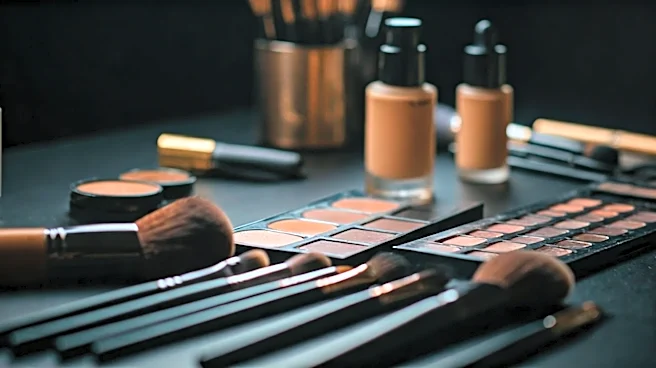
A common mistake is thinking that more product equals longer wear. Makeup artists will tell you the opposite is true. The key to a durable, natural-looking finish is applying products in thin, buildable layers. This applies to everything from foundation to blush. Instead of applying one thick coat of foundation, artists will use a damp sponge or a dense brush to apply a sheer layer, building coverage only where needed. This technique prevents makeup from looking cakey or settling into lines. Cream-based products are a favorite for humid or high-energy environments because they blend beautifully into the skin. To make them last, artists often layer a light dusting of a corresponding powder blush or bronzer on top.
The Art of the Set
Locking in the look is a multi-step process that ensures everything stays put under bright lights and through hours of wear. First, a translucent setting powder is strategically applied. Rather than baking the entire face, artists often focus on areas prone to creasing or shine, like under the eyes, the sides of the nose, and the forehead. The powder should be finely milled to set the makeup without adding texture or looking heavy. The final, crucial step is a setting spray. Artists use this to melt all the powder and cream layers together, taking away any powdery finish and locking the entire look in place. For maximum longevity, some artists use a "sandwich" technique: a layer of powder, followed by setting spray, and then another very light dusting of powder once the spray is dry.
The Essential Touch-Up Kit
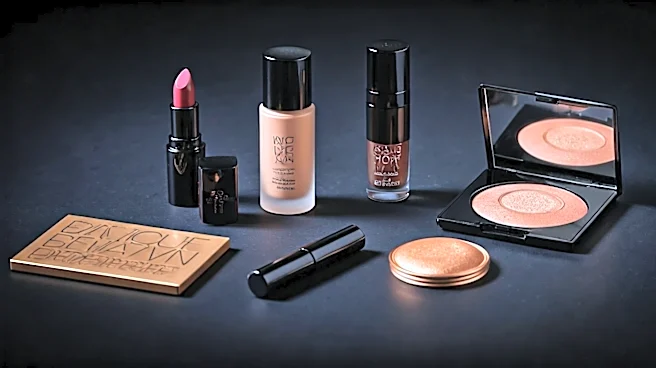
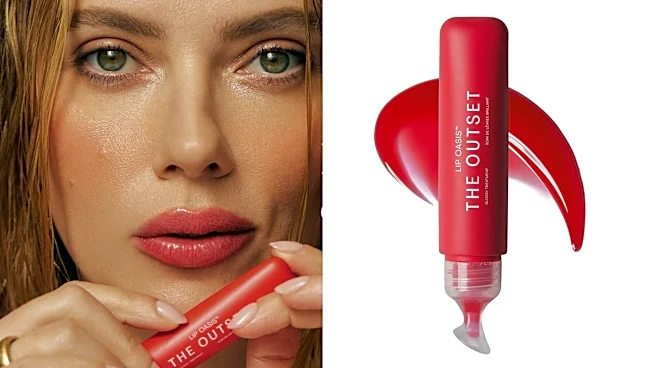
Even with the most meticulous prep, a long night requires a few essentials for touch-ups. No artist lets their client walk the carpet without a small, curated kit. This typically includes the lipstick or gloss used for the final look for easy reapplication. Blotting papers or a pressed powder compact are also must-haves to manage shine without adding excess product. For watery or tired eyes, redness-relieving eye drops can be a red carpet savior, making the whites of the eyes appear brighter instantly. Some artists also include a miniature setting spray for a quick refresh throughout the night, ensuring their client looks just as flawless at the end of the event as they did at the beginning.