



The Core of the Disagreement
The debate isn't about whether MAC’s bestsellers are “good” or “bad.” Instead, it’s about context. A product that’s perfect for a consumer’s 10-minute morning routine is often fundamentally different from what a professional artist needs for a 12-hour
wedding shoot, a magazine cover, or a red carpet event. Makeup artists (MUAs) prioritize performance under pressure: longevity, versatility, and how a product behaves under harsh lighting and high-definition cameras. Everyday users, on the other hand, prioritize ease of use, a forgiving application, and a flattering finish for normal, real-life conditions. This gap between consumer-friendly and pro-approved is where the most interesting disagreements are found.
The Cult Classic: Ruby Woo Lipstick
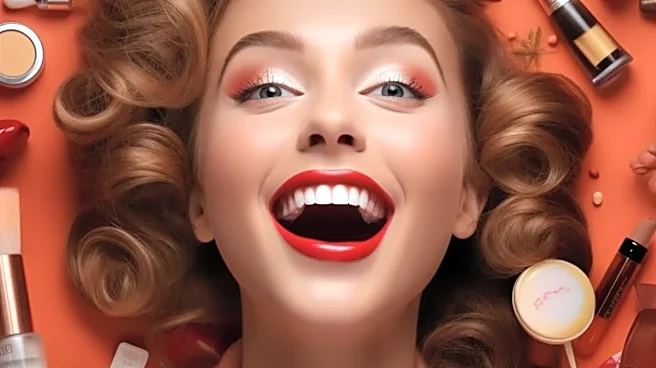
There is perhaps no red lipstick more iconic than Ruby Woo. Its vivid, blue-red hue is universally flattering, and its ultra-matte finish is legendary. That's precisely why it’s a global bestseller. However, its famous “Retro Matte” formula is also its most divisive feature among pros. It’s notoriously stiff and drying, tugging on the lips during application and requiring significant prep to avoid a parched look. While a dedicated fan might not mind the extra effort for that perfect pout, an artist working on a tight schedule with multiple clients often prefers a creamier, more comfortable matte formula. For many pros, the hardcore dryness offers a secure, professional feel that won't budge, but for others, the difficult application makes it a pass in a fast-paced environment.
The Coverage King: Studio Fix Fluid Foundation
Studio Fix Fluid is a holy grail for many, offering buildable medium-to-full coverage that expertly conceals imperfections and controls oil. For years, it was a go-to for a flawless, matte complexion. But in the world of professional photography, its formula can be tricky. Some artists find that it can settle into fine lines or look heavy if not applied with a specific technique, like using a damp sponge for a sheerer finish. Furthermore, its SPF 15 content, while great for daily wear, can sometimes cause 'flashback' in photos—that ghostly white cast that appears under a camera's flash. While some users report no issues with flashback, it's a risk many professional artists working on photoshoots simply can't take.
The Glow-Giver: Strobe Cream
Strobe Cream is a fan-favorite for achieving a quick, all-over luminous glow. It’s a moisturizer and highlighter in one, perfect for mixing with foundation or wearing alone to give skin a healthy, pearlescent sheen. So why the debate? For many MUAs, customization is key. While Strobe Cream provides a beautiful, singular effect, pros often prefer a palette of products to create a more tailored glow. They might use a liquid illuminator in one area, a powder on another, and a balm for a glossy texture elsewhere. Some find Strobe Cream isn't intense enough to be a standalone highlighter, while others warn against applying it all over, as it can make a face look like a disco ball in the wrong lighting. It’s a fantastic shortcut for consumers, but for pros, it can be a one-note solution in a field that demands a symphony.
The Multitasking Mist: Prep + Prime Fix+
Is it a primer? A finishing mist? A setting spray? The confusion around Fix+ is central to the professional debate. Consumers love it as a do-it-all product: it can hydrate skin, meld powdery makeup layers together for a skin-like finish, and refresh a look throughout the day. However, many artists are quick to point out what it’s not: a true setting spray designed to lock makeup in place for hours. While MAC does offer other setting sprays for that purpose, the original Fix+ is a finishing spray. Its job is to make makeup look better, not necessarily last longer under extreme conditions. A pro will likely use Fix+ to seamlessly blend products or intensify eyeshadows, but they will always follow up with a heavy-duty setting spray to ensure the final look is bulletproof.