
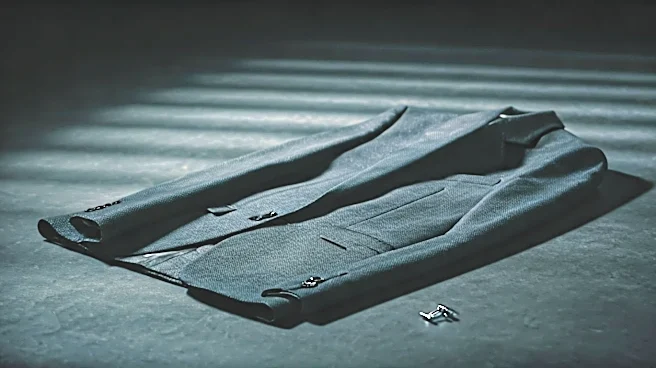


Defining the Elordi Silhouette
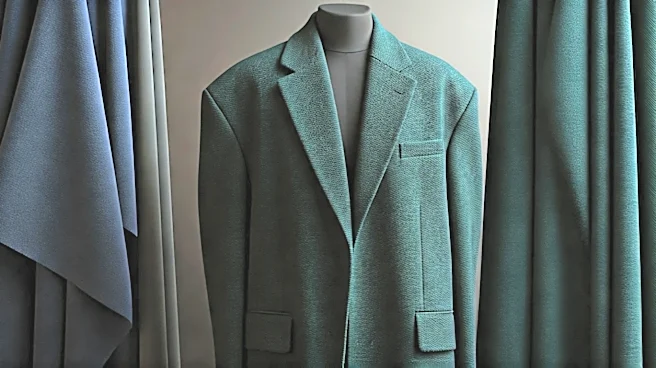
First, let’s be clear: this isn’t just about wearing clothes a few sizes too big. Jacob Elordi’s version of ‘oversized’ is specific and curated. At 6’5”, he has the frame to carry off voluminous shapes without being swallowed by them. His street style,
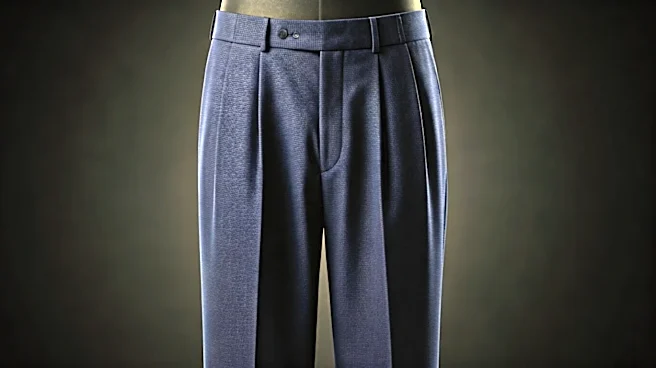
now meticulously documented by paparazzi and fan accounts, often revolves around a uniform of beautifully crafted, generously cut classics. Think sweeping wool overcoats that brush past the knee, pleated trousers that pool elegantly over a pair of loafers, and boxy short-sleeved shirts reminiscent of 1950s suburbia. He’s rarely seen without a luxury accessory, most notably his collection of Bottega Veneta bags—from the Cassette to the massive Andiamo tote—which themselves play with proportion. It’s a look that feels both carefully considered and utterly effortless, projecting a sense of cool detachment.
The Echo on the Runway
This preference for relaxed volume isn't happening in a vacuum. For several seasons, menswear designers in Paris and Milan have been moving away from the skinny-fit, body-conscious silhouettes that dominated the 2010s. The new mood is one of ease, comfort, and a more fluid approach to masculinity. At Loewe, Jonathan Anderson has championed wide-leg pants and deconstructed tailoring. Valentino’s Pierpaolo Piccioli has presented flowing coats and relaxed suiting. Even brands known for sharp tailoring are now offering softer, roomier alternatives. The prevailing aesthetic favors a silhouette that suggests power not through restriction, but through freedom of movement and the luxury of excess fabric. Elordi, whether consciously or not, has become the perfect real-world embodiment of this high-fashion directive. He makes the runway look wearable.
A Rejection of Peackocking
The psychology behind the big-fit trend is as interesting as the clothes themselves. On one level, it’s a direct reaction to the loud, logo-heavy streetwear and hyper-tailored suiting of the last decade. The oversized silhouette offers a kind of anonymity—a shield in a world of constant surveillance. For a star as intensely watched as Elordi, whose every coffee run becomes a news item, dressing in clothes that obscure the body can be a form of armor. It deflects attention from the physical form and places it on the quality and cut of the garment. This aligns perfectly with the “quiet luxury” movement, where status is signaled through impeccable craftsmanship and expensive materials rather than flashy branding. Elordi’s style doesn’t scream for attention; it confidently assumes it already has it.
The Celebrity-as-Muse Feedback Loop
Elordi isn't just following trends; he’s helping to solidify them. As a brand ambassador for Bottega Veneta and TAG Heuer, his style choices are influential by design. When he carries an Andiamo bag, it becomes more than just an accessory; it becomes part of a desirable lifestyle. This is the modern celebrity-fashion symbiosis: designers create a mood, a star-like Elordi embodies it with authenticity, and the public, in turn, is inspired to adopt it. His choices feel personal, not like he's playing dress-up in a stylist's pull. This authenticity is what makes his influence so potent. He makes a five-thousand-dollar bag look as natural as a carton of milk, and in doing so, makes the abstract world of the Paris runway feel attainable and, most importantly, cool.