

The Hall H Gauntlet
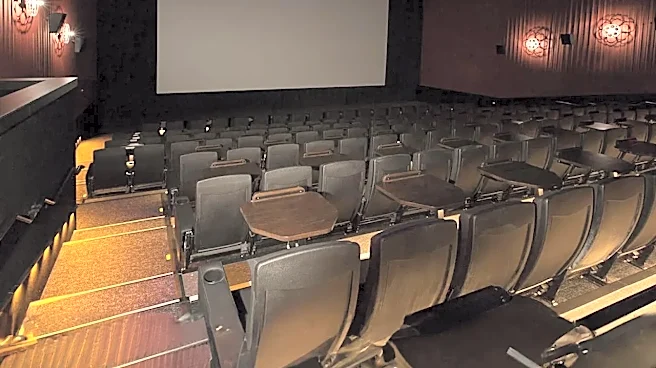
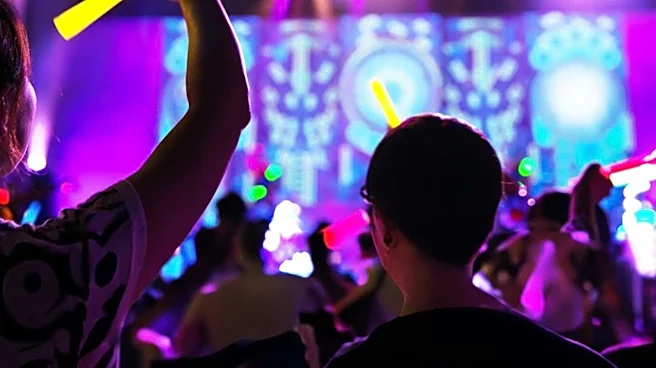
The heart of Comic-Con is Hall H, a cavernous 6,500-seat auditorium where studios present their most anticipated projects. This isn't just a marketing presentation; it's a rite of passage. The audience is composed of the world's most dedicated, knowledgeable,
and critical fans who have often waited in line overnight for a seat. Their real-time reaction—ecstatic cheers, confused silence, or outright boos—can define a project's narrative for months. A well-received trailer or a surprise casting announcement can generate priceless global buzz. Conversely, a fumbled presentation or a lackluster reveal can create a cloud of negative sentiment that a film or series struggles to escape. For studios, it's the ultimate focus group, one that happens live, in public, and with the world's entertainment press watching.
The All-Important Coherence Check
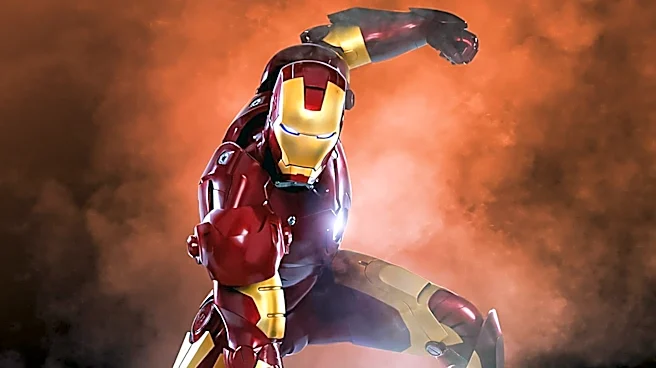
In the age of interconnected universes, “franchise coherence” is everything. It's the invisible thread that ties dozens of movies and TV shows together into a single, believable narrative. Comic-Con is where that thread is tested. When a studio like Marvel announces a new slate of films, every title and logline is instantly scrutinized by fans for how it fits into the grander scheme. Does this new cosmic hero's origin contradict established universal rules? Does this prequel series create a plot hole in a beloved film? After skipping last year, Marvel Studios returns to Hall H on Saturday, July 25, with immense pressure to deliver a clear and exciting road map for the MCU's future, especially with "Avengers: Doomsday" slated for release later in the year. A single misstep can unravel years of careful planning, turning fan excitement into online arguments about canon. It's a public audit of a studio's long-term strategy.
A History of Triumphs and Face-Plants
Comic-Con's history is littered with examples of franchises winning and losing the crowd. The gold standard for a triumph remains Marvel Studios' 2010 panel, where the core cast of "The Avengers" was assembled on stage together for the first time, cementing the audacious concept of a shared cinematic universe in the public's mind. In contrast, for years, Warner Bros.' DC presentations were often perceived as reactive and disjointed, leaving fans confused about the direction and continuity of their universe. The 2026 convention presents a new trial for DC Studios, which will host a panel for its upcoming "Lanterns" series, a key piece of its new interconnected story. For Prime Video, the stakes are high as it showcases both "Blade Runner 2099" and season three of its massive bet, "The Rings of Power". Each presentation is a chance to either build unshakable momentum or to sow the seeds of doubt.
The 2026 Proving Ground
This year's convention, running from July 23 to July 26, is a perfect snapshot of the stress test in action. Apple TV+ is making a major Hall H play, presenting a slate that includes "Silo" and "Widow's Bay," hoping to establish its genre credentials with the core fan audience. The "Star Trek" universe will also have a large presence, balancing its legacy with new series. And while Lucasfilm isn't holding a massive film panel, the sheer volume of "Star Wars" merchandise, comics, and smaller panels demonstrates the need to maintain brand health and fan engagement at every level. From the massive Marvel presentation to smaller but crucial panels for shows like "X-Men '97," every studio is there to prove its universe is not just big, but coherent, compelling, and worthy of fans' continued investment.