




Your New Favorite Commentators
Forget the buttoned-up analysis of traditional broadcast booths. The new voice of soccer fandom is raw, passionate, and streaming live from a gaming chair. Welcome to the world of the watch-along, or co-stream, where popular internet personalities—from
gamers to die-hard soccer fanatics—broadcast themselves watching a live match. They aren't showing the game feed itself, which would be a fast track to a copyright strike. Instead, they broadcast their own reactions, commentary, and a live chat full of thousands of fans experiencing the same highs and lows. It transforms the solitary act of watching TV into a massive, interactive digital viewing party. For younger audiences who have grown up with creators as their primary form of entertainment, this isn't a niche activity; it's the default way to watch. They seek out personalities they trust for authentic, unfiltered takes, a stark contrast to the polished but often sterile official broadcasts.
Why the World Cup Is the Perfect Tournament
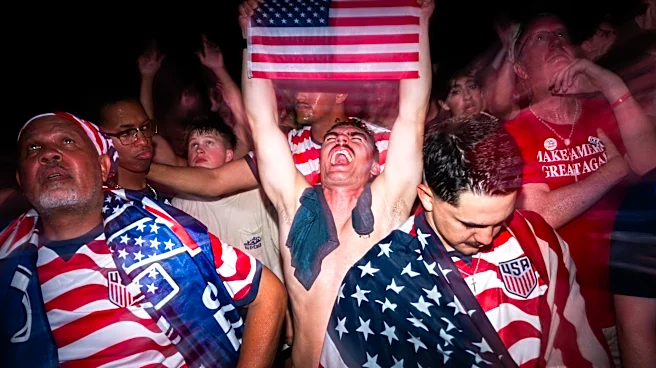
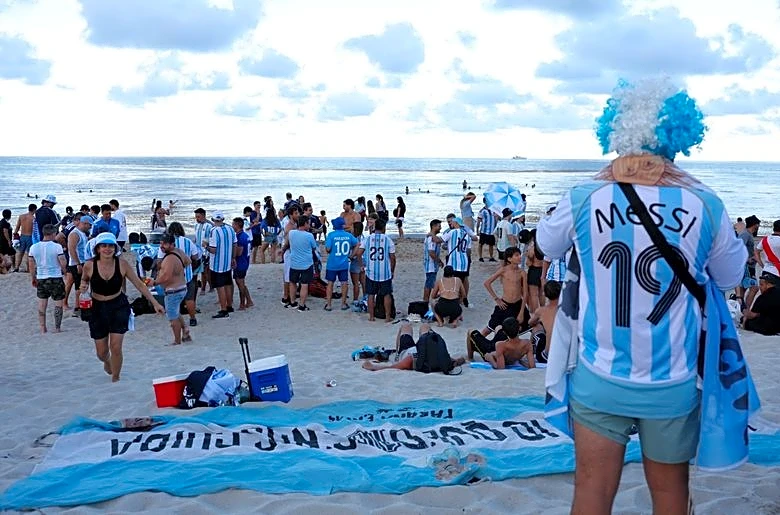
The month-long, drama-filled structure of the World Cup makes it uniquely suited for this format. Unlike a one-off Super Bowl, the tournament is a slow-burning narrative of underdog triumphs, crushing defeats, and nail-biting penalty shootouts. It’s a marathon of emotion, and streamers provide a consistent hub for fans to gather day after day. A traditional broadcast might focus on tactics, but a streamer’s watch-along captures the human element: the agony of a missed chance, the pure joy of a last-minute winner, and the shared anxiety of a nation. This format thrives on the very things that make the World Cup special—the sense of global community, national pride, and the emotional rollercoaster of knockout-stage soccer. It's an experience that highlights not just what’s happening on the pitch, but what it feels like to be a fan.
The Rights-Holder Tango
The rise of co-streaming exists in a tricky gray area. In the U.S., Fox and Telemundo hold the exclusive broadcast rights for the 2026 World Cup. Unauthorized rebroadcasting of match footage is strictly forbidden. This has led to a cat-and-mouse game, with streamers like xQc reportedly receiving temporary bans for even showing brief highlights. However, governing bodies like FIFA are beginning to recognize the power of creators. They’ve partnered with YouTube to allow broadcasters to stream select matches and the first 10 minutes of every game, aiming to give fans a taste that drives them to official channels. In a more direct embrace of the trend, some creators like IShowSpeed have reportedly struck deals to become official streaming partners, allowing them to broadcast their experiences from the stadiums themselves, a sign that the establishment sees the value in this new wave of sports media.
A Shift in How We Watch
This isn't just about soccer; it’s about a fundamental shift in media consumption. For a generation raised on interactive entertainment, passive viewing is a thing of the past. Research shows an overwhelming majority of Gen Z viewers use a second screen while watching sports, not just for stats, but for community and connection. They want to participate, not just spectate. Streamers offer that, providing a space for fans to discuss plays, share memes, and feel like they are part of a collective experience. This desire for interactivity and a more personal connection is driving the migration from traditional cable to digital platforms, a trend that is only accelerating. While broadcast television still commands massive live audiences, the watch-along phenomenon proves that the future of sports fandom is communal, creator-led, and happening on a screen near you.