






More Than Human Scenery
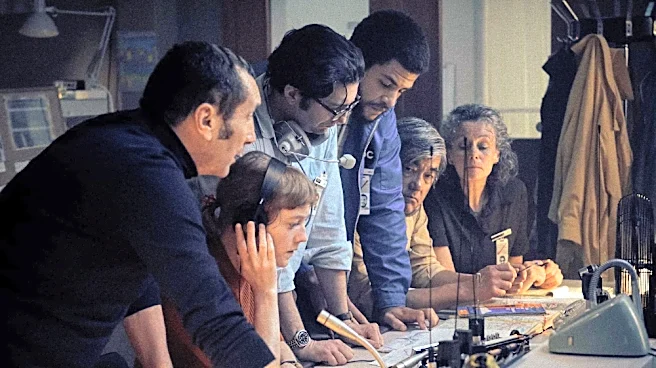
They’re often called “extras,” but the industry term is background actor or artist—and for good reason. Their job isn’t just to fill space, but to add authenticity and life to a scene. Without them, the most immersive cinematic worlds would feel empty
and fake. Imagine a spy chase through a city with no pedestrians, or a high school hallway with no students. These performers provide the living texture that makes a fictional world believable, creating a backdrop that the main characters can exist within and react to. They are, in essence, human set dressing, but their performance is vital to helping the audience suspend its disbelief and get lost in the story.
The Art of Silent Storytelling
Background actors perform without speaking roles, but their work is a masterclass in non-verbal acting. Through body language, facial expressions, and gestures, they convey the mood and reality of a scene. A key skill is pantomiming. In a restaurant scene, for example, dozens of background actors will be having lively, complex conversations without making a single sound. This ensures their chatter doesn't bleed into the principal actors' recorded dialogue. Assistant directors orchestrate this silent ballet, giving cues for “background” to start their movements just before the director yells “action.” Their reactions—a collective gasp of a crowd, the bored disinterest of commuters—enhance the narrative and guide the audience's emotional response.
The Unseen Rules of Blending In
The life of a background actor is governed by a strict set of unwritten (and written) rules designed to keep them from distracting from the main action. The cardinal sin? Looking at the camera. Other rules include never approaching the principal actors, not taking photos, and being perfectly quiet when the cameras are rolling. Wardrobe is also key; extras are often told to bring their own clothing options, but with specific guidelines: no bright colors, no whites, no logos, and no distracting patterns that might pull the viewer's eye. The goal is to blend in seamlessly, to be a part of the world without ever becoming the focus of it.
A Day of Hurry Up and Wait
While the result is a few moments on screen, the reality of the job is long hours and a lot of patience. A typical day for a background actor often starts before dawn and can last 12 hours or more. After checking in, they go through wardrobe and makeup, and are then sent to a designated “holding area.” This is where they spend most of their day—reading, chatting with fellow extras, or just waiting to be called to set. When they are called, it’s for short bursts of intense, repetitive action. An assistant director will give them their marks and specific actions—cross the street, pretend to browse a shop, sip a coffee—which they must repeat exactly the same way for every single take to ensure continuity.