



For Slow-Burn Psychological Dread
This isn't about what jumps out from the shadows; it's about the shadows that are already in your head. Psychological horror builds tension by focusing on a character's fracturing mental state, making you question what's real. The horror is internal,
rooted in grief, trauma, or paranoia. A story that slowly gets under your skin and stays there long after the credits roll is the goal here. The atmosphere is one of quiet unease and mounting suspense, where a strange look or an out-of-place object feels more terrifying than any monster. Think of shows where the true horror is unpacking the deeper themes of the story.
For Classic Supernatural Frights
When you want a good, old-fashioned haunting, this is your go-to category. Supernatural horror deals with ghosts, demons, and other paranormal entities. The scares are often more direct: bumps in the night, doors creaking open on their own, and figures appearing where they shouldn't be. The atmosphere is built on anticipation of the scare. You're creating a space for classic, spooky fun. These are the stories that make you pull the blankets a little tighter and eye the dark corners of your own room with suspicion. Shows like "The Haunting of Hill House" excel at blending this with deep emotional stakes for a modern take on the ghost story.
For Gothic, Moody Melodrama
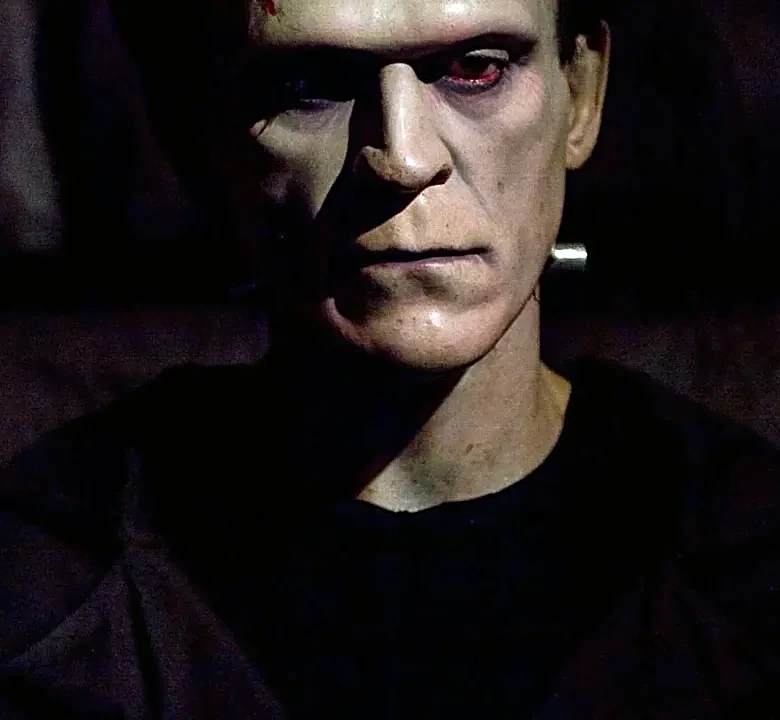
If your ideal Halloween involves crumbling mansions, dark secrets, and tragic romance, you're looking for gothic horror. This subgenre is all about mood and aesthetics. It's characterized by lush, shadowy visuals, poetic dialogue, and a sense of doomed beauty. The atmosphere is one of romantic gloom, where monsters are often as sympathetic as they are scary. From vampires wrestling with their immortality to witches navigating blood-soaked folklore, gothic horror finds the terror in passion and history. It’s less about a sudden scare and more about sinking into a rich, dark, and often sensual world.
For Unsettling Folk Horror
Folk horror takes you out of the haunted house and into the unsettling countryside. This subgenre finds terror in isolated communities with strange traditions, ancient rituals, and a sense that nature itself is a malevolent force. The atmosphere is one of claustrophobia and otherness, where the sunny daylight can be just as scary as the night. It taps into fears of paganism, cults, and the darkness that can hide within tight-knit groups. It’s perfect for when you want a story that feels both ancient and unnervingly present, leaving you with a deep sense of unease about the world just off the main road.
Don't Forget the Real-World Ambiance
The show is only half the equation. To truly maximize the creepy atmosphere, you have to set the scene in your own home. Dim the lights, relying on candles or strategically placed lamps to create pools of light and shadow. Put your phone away; the last thing you want is a notification pulling you out of a tense moment. Consider the sound—not just from your speakers, but the lack of it in your home. The goal is to create an immersive bubble where the world of the show can bleed into your own, making every creak of the house feel like part of the experience.