




The Illusion of Stifling Rules
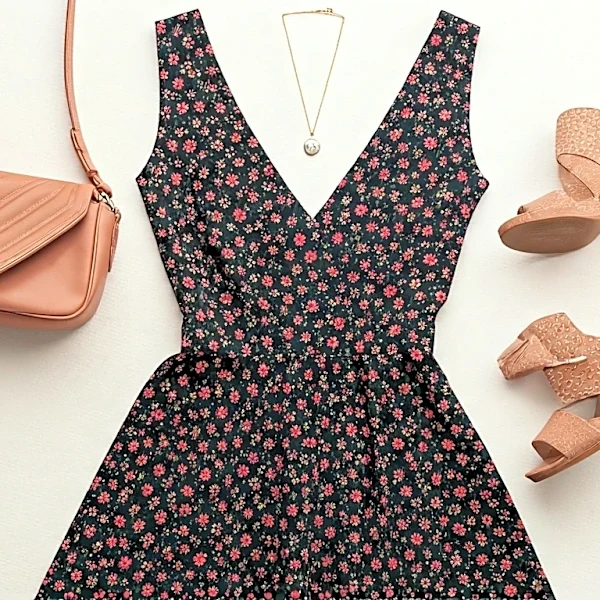
First, let’s be clear: the rules are serious. The official Style Guide for Royal Ascot is a document of almost biblical importance for attendees, especially those in the prestigious Royal Enclosure. Hemlines must fall to the knee or longer. Straps on dresses
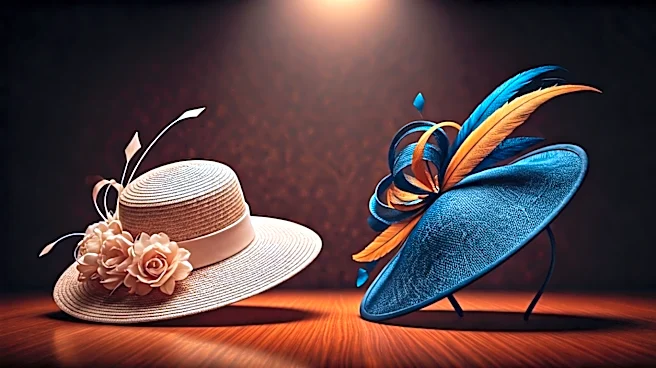
and tops must be at least one inch wide. Trouser suits are welcome, but must be of full length and matching material. And the headwear? A hat is non-negotiable; a fascinator—that smaller, often feathered headpiece popular at other British weddings and events—is explicitly forbidden in the top-tier enclosure. On paper, it sounds like a recipe for sartorial boredom, a uniform designed to sand down any sharp edges of personal expression. The word ‘conservative’ seems apt. But these rules aren't meant to create a sea of beige conformity. They are the rigid frame upon which a wild, dramatic painting is composed.
Creativity Forged in Constraint
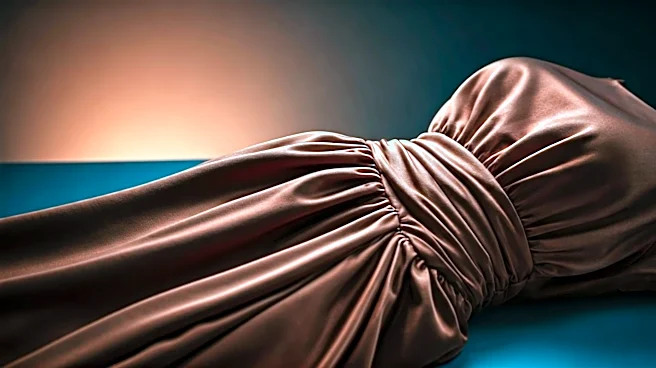
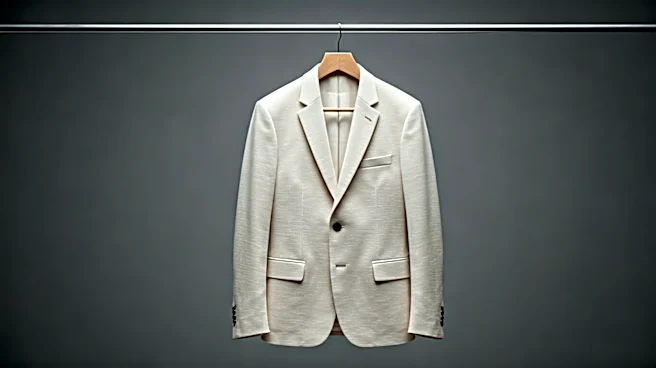
Think of it like a sonnet. A poet has just 14 lines and a strict rhyme scheme to work with, yet within that tiny, unforgiving box, they can express the greatest passions and ideas. Ascot dressing operates on the same principle. When you can’t rely on a plunging neckline or a micro-mini skirt for impact, you’re forced to get more creative. The drama is displaced, channeled into areas where the rules permit an explosion of artistry. This is where the magic happens. Designers and attendees must find their voice through breathtaking color combinations, radical silhouettes that still adhere to length requirements, and luxurious, unexpected textures. A simple sheath dress becomes a canvas for a shocking shade of chartreuse or a bold, graphic print. A tailored suit isn't just a suit; it's rendered in jewel-toned velvet or features a sculptural, exaggerated shoulder. The dress code doesn't eliminate drama; it focuses it.
The Hat as Theatrical Centerpiece
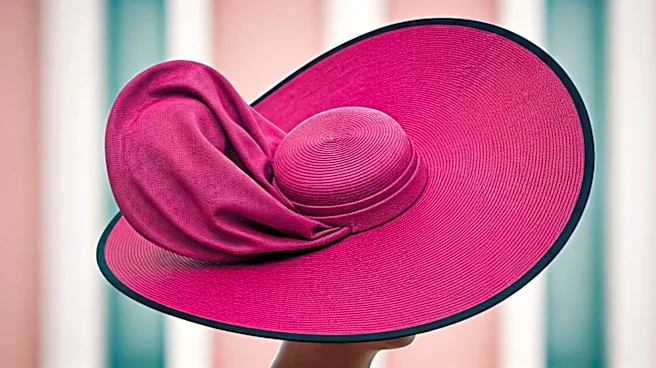
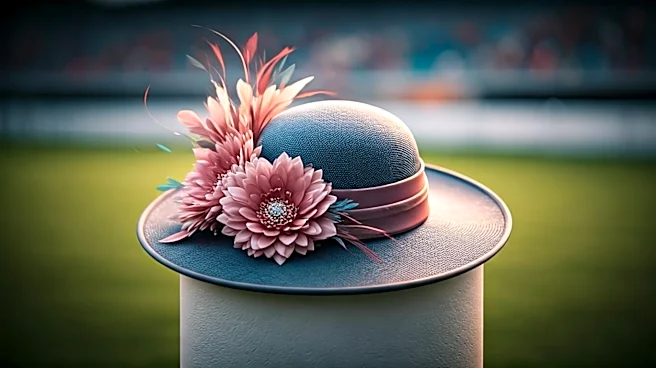
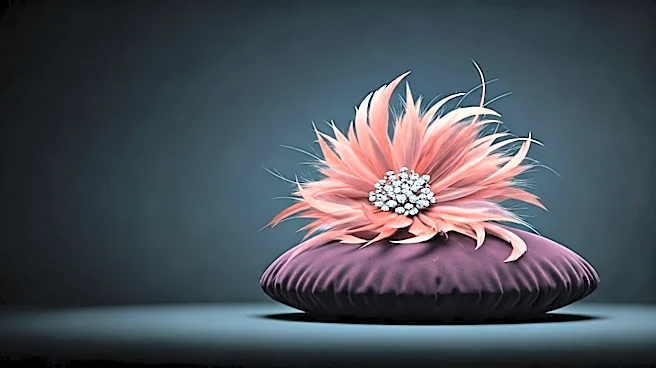
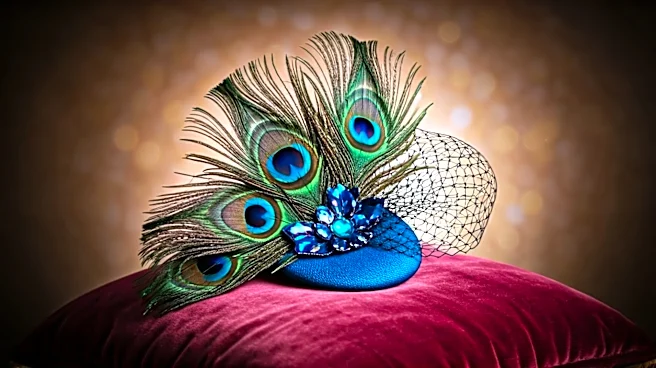
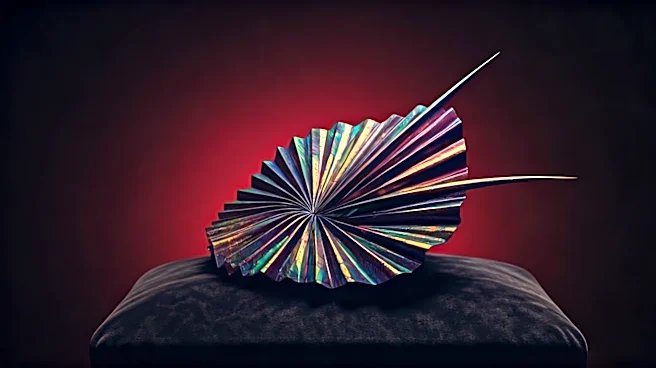
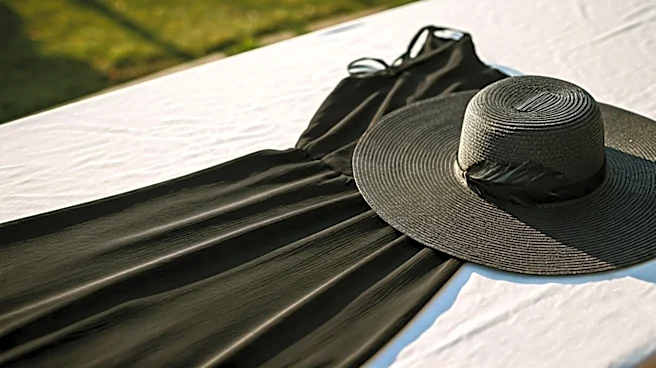
Nowhere is this controlled drama more evident than in the millinery. The hat is the primary loophole, the designated zone for unadulterated spectacle. Because the dress is so regulated, the hat becomes the main story. It’s not an accessory; it’s the event. We see creations that defy gravity, logic, and sometimes, good sense. They are architectural marvels, floral explosions, and abstract sculptures perched precariously on a perfectly coiffed head. This is a direct result of the dress code. If attendees could wear anything they wanted, the hat would have to compete. But at Ascot, it is the star of the show, a sanctioned rebellion that operates beautifully within the system. It’s a sartorial pressure valve, releasing all the creative energy constrained by the rules below the neck. The result is a surreal and delightful parade of wearable art that you simply don’t see anywhere else.
A Performance, Not Just an Outfit
Ultimately, dressing for Ascot is less about fashion and more about performance. It’s a joyful participation in a century-old spectacle. Unlike a Hollywood red carpet, where the goal is often individualistic, boundary-pushing trendsetting, Ascot is about contributing to a collective aesthetic. The strict code ensures that everyone is participating in the same play, but it leaves room for each actor to interpret their role with dramatic flair. The joy is in mastering the brief—in showing that you can respect tradition while still making a bold, memorable, and deeply personal statement. It’s a high-stakes game of sartorial chess, where every choice is deliberate and every flourish is designed for maximum impact within a very controlled environment.