


It Starts with the Shoulders
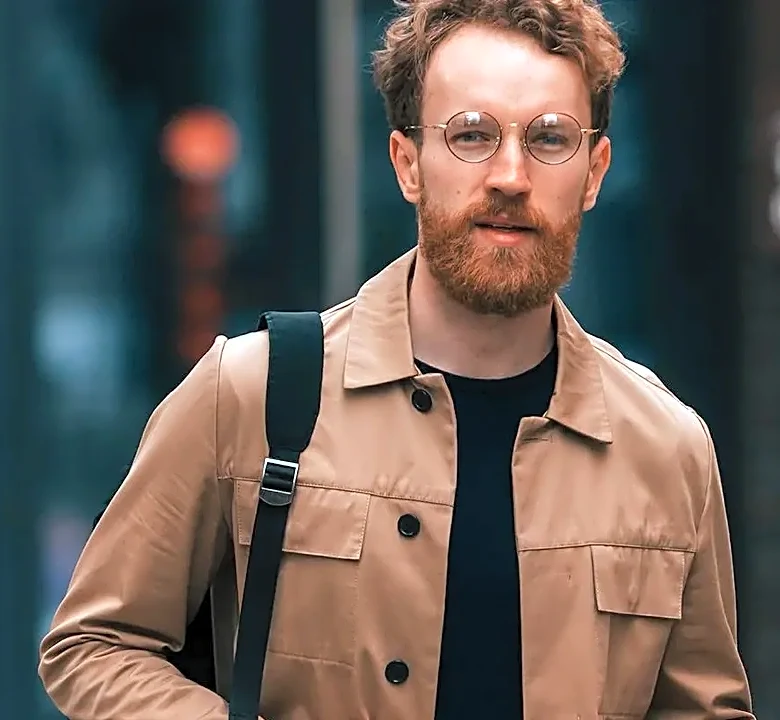
The single most important factor in a coat's fit is the shoulders. The seam should sit right at the edge of your natural shoulder bone. If the seam hangs down your bicep, the coat is too big. If it sits closer to your neck, it's too small. Many coats
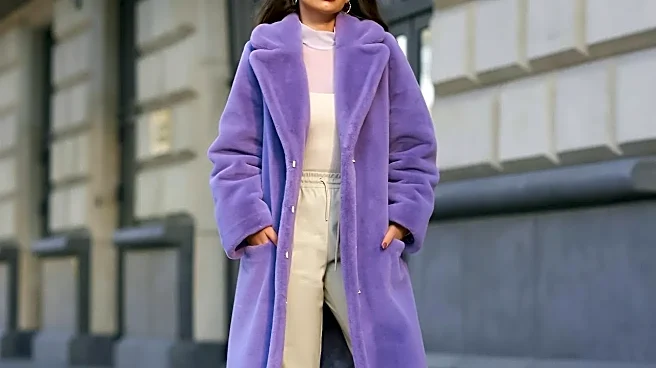
are designed with a specific silhouette in mind, and some are cut to look best when worn open. These styles might have slightly narrower shoulders or a trimmer chest, creating that polished, drapey look. When you button it, you're forcing the structure into a shape it wasn't perfectly cut for, causing pulling and bulk. Unlike other areas, shoulders are notoriously difficult and expensive to alter, so it's the one area you want to get right from the start.
The Dreaded 'X' Factor
Look in the mirror with the coat buttoned. Do you see diagonal stress lines radiating from the fastening? That's the dreaded 'X' crease, and it's a dead giveaway that the coat is too tight across the chest or waist. This pulling happens because there isn't enough fabric to accommodate your frame when closed. A properly fitting coat should close smoothly, allowing you to slide a flat hand between the fabric and your chest without resistance. If you can make a fist, it's too loose; if you can't get your fingers in, it's too tight. That 'X' signals that the coat's structure is being strained, which not only looks bulky but also puts stress on the buttons and seams.
Understanding Button Stance
Where the primary button sits on your torso—known as the button stance—plays a huge role. For a two-button coat, the top button should be the only one you fasten; for a three-button, it's the middle one. These buttons are strategically placed at the narrowest part of your torso to create a flattering V-shape. When you button a coat, you are anchoring it. If that anchor point is too high or too low for your body, it disrupts the intended drape. A button that sits too low, for example, can cause the bottom of the coat to flare out like a skirt instead of hanging cleanly.
The Double-Breasted Dilemma
Double-breasted coats are notorious for this open-versus-closed fit issue. By design, they have a significant overlap of fabric in the front. When worn open, this extra material can add visual width or hang elegantly, depending on the cut. However, to close it, that fabric has to wrap farther around your torso. This means a double-breasted coat often needs more room through the chest to close without pulling, even if it feels spacious when unbuttoned. Because of their structured nature and horizontal lines, they are less forgiving of fit issues and should almost always be worn buttoned when standing to maintain their shape.
Fabric, Layers, and Your Next Move
The material of the coat is also a key player. Stiff, heavy fabrics like melton wool will show bulk and strain more dramatically than a softer, more fluid material like a cashmere blend or a drapey trench fabric. Think about what you'll wear underneath it as well. A coat tried on over a tshirt will fit very differently once you add a chunky sweater. If a coat is just slightly snug when buttoned, a tailor may be able to help. They can often let out the side or centerback seams by an inch or so, which can make all the difference. However, if you see major pulling at the buttons and the shoulders are off, the best move is to find a different size or a style that is better suited to your frame.