






More Than Just a Costume
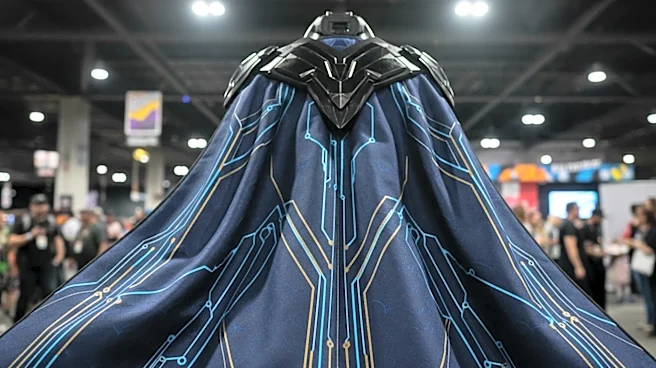
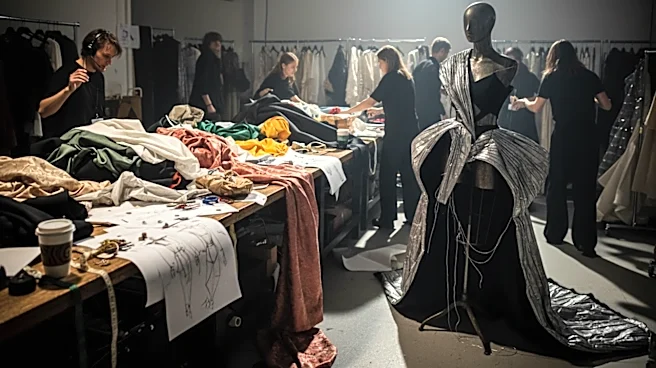
Let’s get one thing straight: high-level cosplay is not just about sewing. It is a multidisciplinary craft that merges fashion, sculpture, industrial design, and performance art. Top-tier creators are material scientists and engineers, reverse-engineering
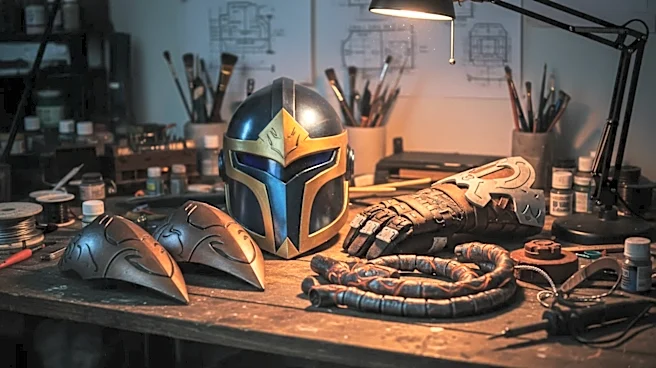
fictional objects into tangible reality. They use 3D printers to fabricate intricate armor, program micro-servos to create articulated wings that respond to movement, and experiment with thermoplastics to build impossibly sleek sci-fi weaponry. Major cosplay competitions judge contestants not just on accuracy, but on craftsmanship and technical skill. Categories often include complex sewing, armor building, wig styling, and electronics. This is a world where clean seams, smooth paint finishes, and hidden fasteners are the baseline, and true mastery is demonstrated through solving complex design challenges—like how to make a 2D anime character’s proportions work on a 3D human body or how to ensure a massive foam armor build is wearable for ten hours on a convention floor.
Innovation Born from Constraint
Unlike commercial design, which is often driven by marketability and mass production, cosplay thrives on passion and problem-solving under extreme constraints. Cosplayers must translate a digital or illustrated concept into a physical object with no blueprint. This process of interpretation is an act of design in its purest form. They must decide which details to keep, which to exaggerate, and which to abandon to maintain the character's spirit while making the costume functional. This balancing act forces an incredible amount of innovation. A cosplayer might spend months figuring out how to dye a fabric to the perfect, unnatural shade of a video game sky or developing new weathering techniques to make foam look like ancient, battle-scarred metal. It's a design field where the primary goal is visual impact and faithfulness to an abstract ideal, pushing creators to develop skills that rival those of professional costume houses.
A Language of Its Own
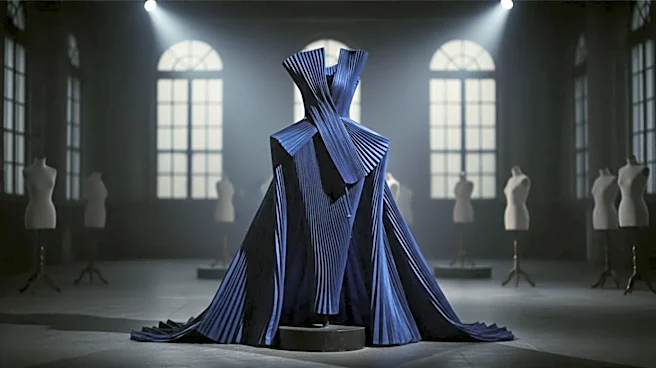
The cosplay community has already developed its own sophisticated system of critique. At competitions like the World Cosplay Summit, judges evaluate costumes based on criteria like precision, quality, and technique, alongside stage presence and performance. These events are the equivalent of a juried design exhibition, where the best work is celebrated for its artistry and execution. But the conversation extends beyond formal contests. Online forums and social media are filled with creators sharing progress builds, tutorials, and detailed analyses of their work. Furthermore, the lines are blurring between cosplay and high fashion, with brands like COSMODA creating a category of "cosplay couture" and showcasing collections at New York Fashion Week. This move acknowledges that the storytelling, craftsmanship, and bold silhouettes central to cosplay have a place on the runway, merging fan culture with the elegance of haute couture.
Time for the Mainstream to Catch Up
So why hasn't serious design criticism embraced cosplay? The answer likely lies in a lingering snobbery that dismisses fan-made art as derivative or unserious. Critics who can analyze the deconstruction of a Galliano gown or the architecture of a Zaha Hadid building often fail to apply the same lens to a fan-built Iron Man suit, even if it features more complex engineering. Yet both involve translating a vision into a physical form, balancing aesthetics with function, and mastering materials. The principles are the same: proportion, balance, harmony, and emphasis all come into play. To ignore cosplay is to ignore a global movement where millions are actively participating in and pushing the boundaries of design. It’s a decentralized, open-source R&D lab for wearable art, and it’s happening right under our noses.