



An Existential Threat for Every Generation
From the very beginning, the magic of *Toy Story* has been its ability to translate profound childhood anxieties into toy-sized drama. The franchise isn’t just about talking toys; it’s about the fear of abandonment, obsolescence, and losing one’s purpose.
In the first film, Sid wasn’t just a mean kid; he was the embodiment of chaotic, destructive misuse. He represented the horror of being broken. In *Toy Story 2*, the collector Al embodied a different kind of death: the sterile prison of being looked at but never played with. It was about losing function and becoming a sterile artifact. Then came Lotso in *Toy Story 3*, a villain forged by the ultimate betrayal of being lost and replaced, turning him into a bitter tyrant. And in *Toy Story 4*, the threat was the child simply moving on, forcing Woody to find an entirely new definition of purpose beyond a single owner. Each film escalated the stakes by finding the next great fear in a toy’s—and by extension, a child’s—life. The stage is now set for the most insidious threat of all.
The Tablet: A Villain That Isn't a Villain
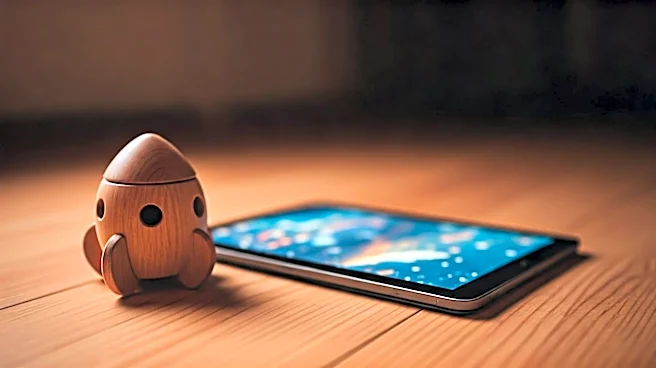
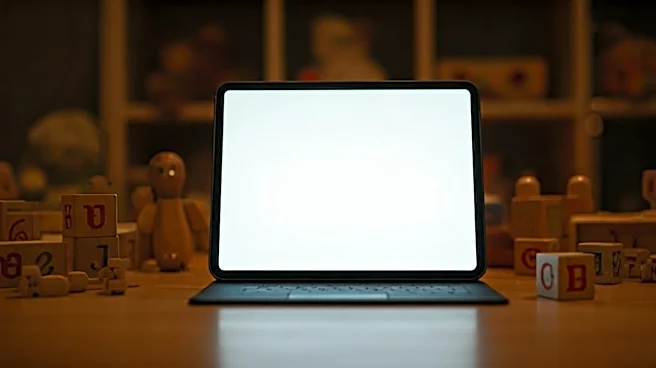
Enter the tablet. For today’s parents, many of whom grew up with Woody and Buzz as their own cherished companions, the iPad or Fire Kids Edition represents an unprecedented rival. It’s not just another toy that might get more attention for a week. It’s a self-contained universe of endless content that demands nothing but passive consumption. It’s a “play-killer.” A tablet doesn’t require imagination; it supplies it. It doesn’t need a narrative; it offers a thousand of them simultaneously. For a toy whose entire existence is predicated on being a vessel for a child’s creativity, the tablet is a black hole. It sucks up attention, time, and the very imaginative energy that brings toys to life. This is the fear *Toy Story 5* must tap into. The film needs to make adults in the audience feel that cold dread when they see a child’s eyes glaze over, utterly lost in a screen while a world of vibrant, physical toys sits ignored in a chest. The tablet should be presented as the ultimate antagonist: a silent, seductive force that promises everything but offers no real connection.
The 'Without Shaming Kids' Mandate
Here’s the crucial part: the film cannot be a 90-minute lecture wagging its finger at children. That would be a betrayal of the empathy that defines Pixar’s best work. Kids use tablets because they are engaging, fun, and often, because adults hand them over. Shaming a child for enjoying a screen is a creative dead end. Instead, *Toy Story 5* must frame the conflict not as good versus evil, but as a battle for relevance. The tablet isn’t malicious; it’s just incredibly effective at its job. The challenge for Woody, Buzz, and the gang is to prove that they offer something the tablet can’t. The solution isn’t for Buzz to karate-chop an iPad in half. It’s for the toys to orchestrate a play session so inventive, so collaborative, and so deeply human that it reminds their child of the magic of the physical world. The story must champion the unique value of tangible play: the tactile feel of a toy, the shared storytelling with a friend, the joy of building something with your own hands.
How the Toys Can Win the War for Attention
So what does that look like? The plot could revolve around the toys noticing their child—be it Bonnie or someone new—becoming increasingly withdrawn and isolated by their screen. The “adventure” would be their desperate, coordinated effort to break through the digital fog. Imagine a sequence where the toys use all their individual skills to build an elaborate real-world game, a castle fort, or a dramatic rescue scenario that spills out of the toy box and into the living room. Their goal isn't to destroy the tablet, but to create an invitation back to imaginative play that is too compelling for their kid to ignore. The climax wouldn’t be a battle, but a breakthrough: the moment the child puts the tablet down, not because they’re told to, but because they’ve remembered that the world they can create with their own hands and their own friends is infinitely more rewarding. The victory is the sound of a child’s voice giving life back to a forgotten toy.