










The Instant 'Us vs. Them'
The most powerful force at play is the creation of an in-group. As humans, we are wired to categorize our social world into “us” and “them.” It’s a survival instinct left over from our tribal ancestors. When you’re watching a game as a neutral, you’re an outsider
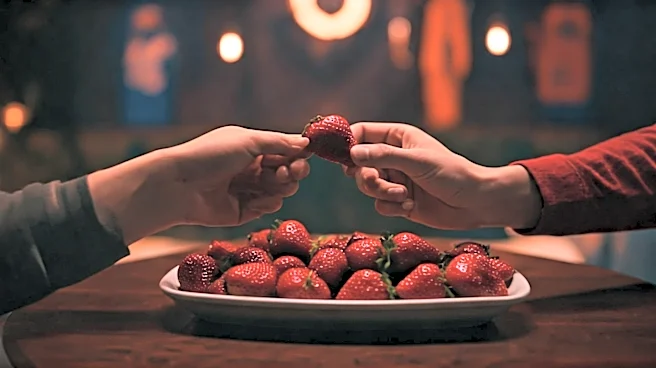
to all sides. But the moment you accept a shared plate of nachos or a slice of pizza from a group of fans, you’ve performed an act of commensality—the practice of eating together. This simple act is a universal signifier of belonging. Your brain’s social circuitry flips a switch. You are no longer just an individual; you are part of *this* group. And if they are passionately screaming for the home team, their emotional investment becomes your emotional investment. The opposing fans, and their team, are now the designated “them.” This isn't a conscious decision; it's a powerful, subconscious sorting mechanism that sharing food triggers almost instantly.
The Unspoken Debt of Reciprocity
Ever felt a little awkward after someone buys you a drink? That’s the principle of reciprocity at work. Social psychologist Robert Cialdini identified it as one of the most potent tools of influence. When someone gives us something, even something small like a handful of chips, we feel an innate obligation to give something back. In the context of a sports bar, you can’t exactly pay them back for the food. So how do you repay this social debt? With allegiance. You start cheering when they cheer. You groan when they groan. You adopt their side as your own for the duration of the game. This gesture of solidarity is your non-monetary repayment. It feels good to be in sync with the people who just showed you generosity, and it resolves the slight social tension created by their unsolicited kindness. You’ve accepted their food, and in return, you accept their cause.
Game-Day Rituals and Belonging
Fandom isn't just about watching a game; it's about participating in the rituals that surround it. Tailgating, wearing team colors, and, yes, sharing specific foods are all part of the ceremony. These rituals aren’t just for fun; they are performative acts that reinforce group identity and shared purpose. When a neutral person is invited to participate in a food ritual, they are being invited into the tribe. Passing around a bucket of popcorn or divvying up a platter of sliders isn’t just about sustenance. It’s a secular communion that says, “You are one of us now.” For someone without a dog in the fight, this sudden sense of belonging can be intoxicating. It provides an immediate emotional stake in an otherwise meaningless contest. The game stops being a neutral spectacle and transforms into a battle fought by *your* team.
Emotional Contagion Is Real
Sharing food does more than just signal group membership; it lowers social barriers and increases feelings of trust and empathy. Studies have shown that the act of eating together can release oxytocin, the “bonding hormone,” making us more receptive to the emotions of those around us. This heightened state of social connection makes you more susceptible to emotional contagion—the phenomenon where you “catch” the feelings of people nearby. When your new food-sharing companions erupt in celebration after a touchdown, their joy becomes your joy. When they collectively despair over a bad call, you feel a pang of that same frustration. Your neutral, analytical perspective is washed away by a wave of shared emotion, pulling you into the dramatic arc of the game. You’re no longer just watching fans; you’re feeling the game right alongside them.