





The Ghosts of Pasadena
For many, the ultimate story of penalty heartbreak is still Roberto Baggio at the 1994 World Cup final. Played at the Rose Bowl in Pasadena, it was the first final ever to be decided by a shootout. Baggio, Italy’s talisman with the divine ponytail, had
single-handedly dragged his team to the final. But when his moment came, with Italy needing him to score to stay alive, he blazed his shot over the crossbar. The image of him standing motionless, head down, as Brazil celebrated is etched into soccer history. He was dubbed “the man who died standing.” Baggio later said the moment haunted him for years, a recurring dream from which he couldn’t wake. That single kick became the defining moment of a brilliant career, a cautionary tale whispered before every major shootout since. It proved that in this crucible, even legends can break.
A National Curse
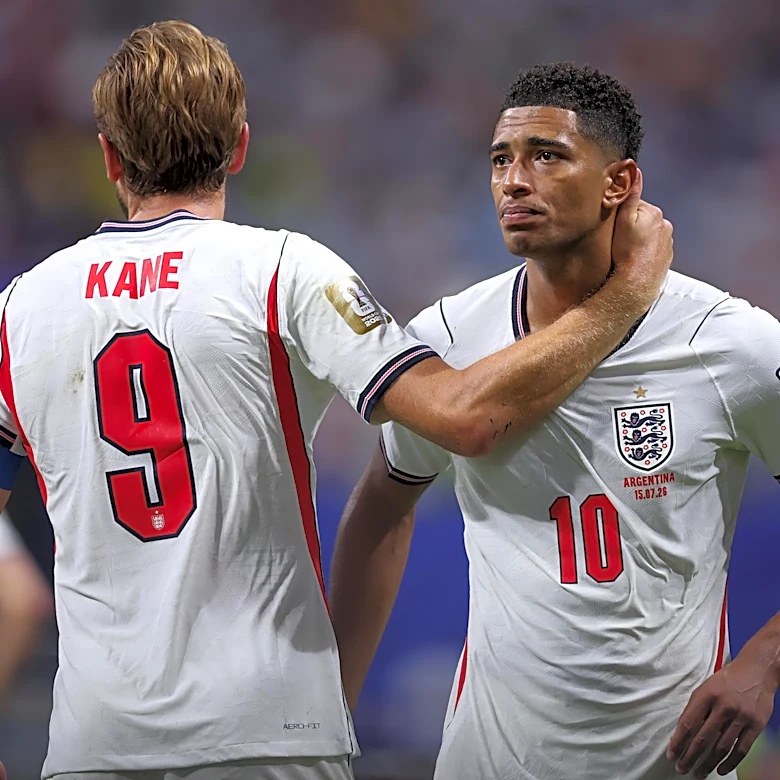
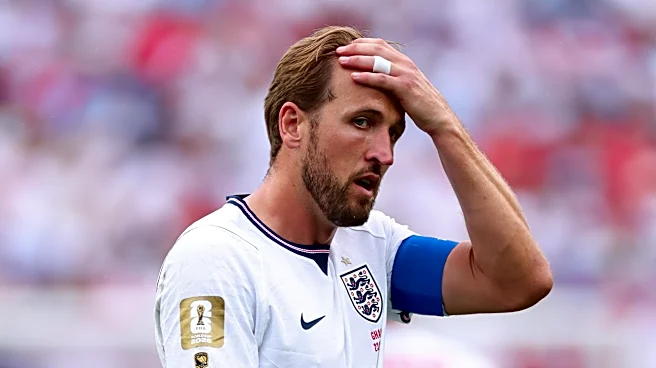
If Baggio’s pain was individual, England’s has been a collective, generational trauma. For decades, a penalty shootout was synonymous with English elimination. They lost seven of their first nine shootouts in major tournaments, a staggering record of failure that created a national complex. It started against West Germany in the 1990 World Cup semifinal and continued through agonizing exits in 1996, 1998, 2004, 2006, and 2012. Each loss added another layer to the narrative, creating what felt like an inescapable curse. The pressure on English players became immense; they weren't just taking a kick, they were battling the weight of history. The cycle was finally broken at the 2018 World Cup against Colombia, a victory met with as much relief as jubilation. While their record has improved recently, the ghosts of past failures still linger whenever an England match goes the distance.
The Science of a Single Kick
So why do elite athletes, who can strike a ball with pinpoint accuracy from 40 yards, so often fail from 12? The answer lies in psychology. Under extreme stress, the body’s sympathetic nervous system goes into overdrive. Heart rate spikes, fine motor control deteriorates, and attention narrows into a tunnel. This phenomenon, known as “choking,” isn’t a sign of weakness but of an overwhelmed cognitive system. Research shows players are far more successful when a penalty can win the game (a 92% success rate) versus when a miss means elimination (below 60%). The fear of loss is a more powerful psychological force than the joy of winning. To combat this, modern teams have embraced sports psychology. Players work on visualization, breathing techniques, and developing unshakable pre-kick routines to anchor their minds in the present and block out the crushing weight of the consequences.
The 2026 Final Crucible
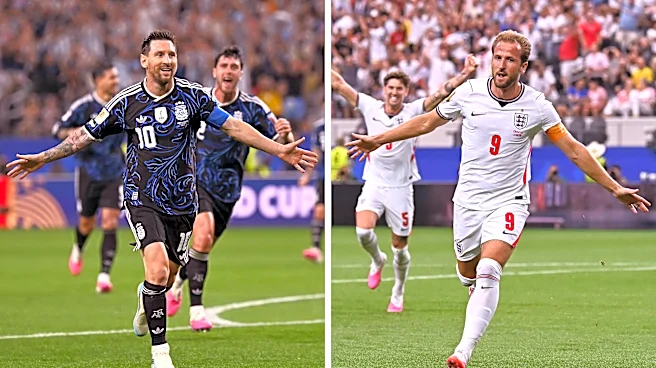
This history hangs heavy over the 2026 World Cup final on July 19 in New Jersey, where Spain will face Argentina. Both nations have their own complex history with penalties. Argentina, led by the unflappable Emiliano Martinez in goal, has cultivated an aura of being shootout masters, most famously in their 2022 World Cup final victory. They see the shootout as an opportunity, not a threat. Spain has had a more mixed experience. They won a shootout against Switzerland in Euro 2024 but have also suffered painful exits, including being knocked out by hosts Russia in 2018. As the final approaches, coaches and players will not just be practicing their kicks. They will be preparing their minds, knowing that the battle for the world's biggest prize could come down to a single moment, where decades of history—both triumphant and painful—will be focused on one player, one ball, and one kick.