




The Architecture of a Gown
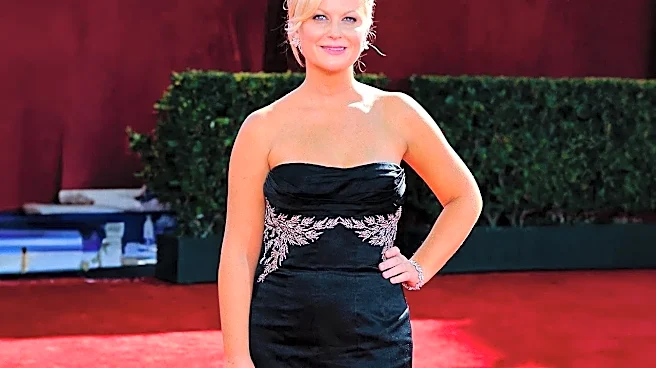
What does “structured eveningwear” even mean? Think less about flowing, romantic fabrics and more about architectural construction. These are gowns with an internal logic: corseted bodices that sculpt the waist, sharp, geometric necklines, and heavy,
luxurious fabrics like satin, taffeta, or brocade that hold their shape. Designers who favor this style often draw inspiration from architecture itself, prioritizing form, volume, and proportion. The goal isn’t to drift ethereally down the carpet; it’s to command attention with a silhouette that is intentional and powerful. These dresses often feature boning, sharp pleats, or sculptural elements that stand away from the body, creating a look that is both armor and art.
The Golden Age of Structure: The '90s and Early 2000s
The late 1980s through the early 2000s marked the apex of this trend at the Emmys. After the maximalism of the '80s, the '90s ushered in a sleeker, more powerful aesthetic. This was the era of the supermodel and a new kind of confident, self-made Hollywood star. The fashion reflected this shift. Gowns became less about frou-frou embellishment and more about clean lines and impeccable tailoring. At the 1992 Emmys, Cindy Crawford presented in a striking black bustier top and high-slit skirt, an outfit that felt more like sharp menswear translated for the female form. Throughout the decade, simple column gowns with straight necklines and corseted dresses became red carpet staples, worn by stars like Katie Holmes and Oprah Winfrey. This style carried into the new millennium, a last gasp of analog-era formality before the internet and social media changed red carpet dressing forever.
Iconic Moments in Form and Fabric
Certain Emmy looks remain etched in our collective memory precisely because of their structure. In 2000, Sarah Jessica Parker, at the height of her “Sex and the City” fame, wore a pink Oscar de la Renta dress that looked like a ballerina’s fantasy, with a feathered skirt and a perfectly fitted bodice—a look that was pure Carrie Bradshaw. That same year, Halle Berry wore a black strapless Valentino gown that demonstrated the power of a simple, perfectly constructed silhouette. Nina Dobrev's crimson Donna Karan mermaid gown in 2011 was another standout, with a structured strapless design that hugged her form before flaring dramatically at the hem. More recently, designers like Louis Vuitton have created sculpted leather dresses and custom mermaid gowns that have an armor-like effect, proving the style's enduring appeal.
The Statement Behind the Silhouette
So why was this look so dominant? Structured eveningwear projects confidence, seriousness, and control. In an industry where actresses were fighting for more powerful roles and creative influence, a gown that looked like a piece of modern sculpture was a powerful statement. It suggested that the wearer was not just a passive object of the camera’s gaze, but an active participant in crafting her own image. The dress wasn't just pretty; it had a point of view. It was a visual shorthand for strength, a stark contrast to the softer, more traditionally feminine styles that had come before. This shift from classic glamour to more architectural designs allowed stars to make bold, lasting impressions.
The Legacy of the Sculpted Gown
While today’s red carpets often favor softer silhouettes, sheer fabrics, or playful, deconstructed looks, the influence of structured eveningwear remains. We still see its DNA in the sharp tailoring of a power suit, the corsetry of a Vivienne Westwood gown, or the sculptural creations of avant-garde designers. The classicist approach, defined by clean lines and masterful tailoring, still competes for attention against more theatrical, high-concept outfits. The era when structured gowns reigned supreme at the Emmys serves as a reminder that fashion is cyclical. It was a time when glamour was synonymous with strength, and a dress could communicate as much power and precision as the performances being honored inside the theater.