

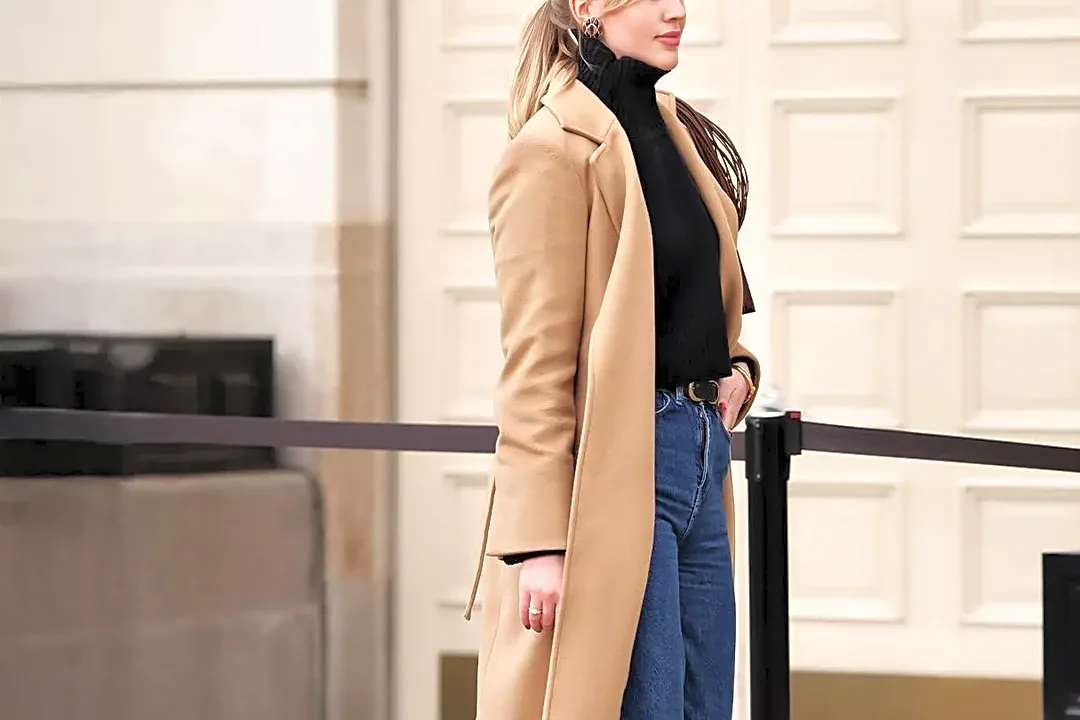
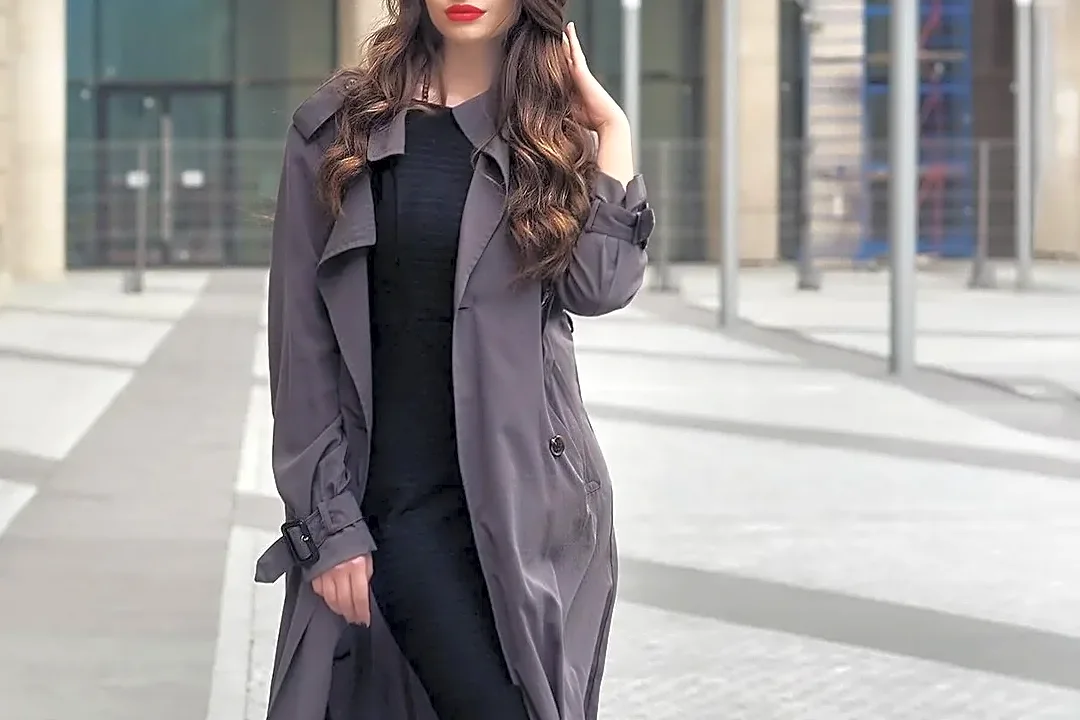



Forget the Price Tag, Feel the Fabric
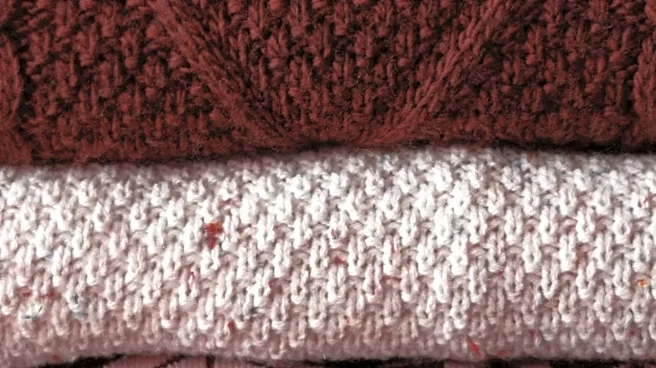
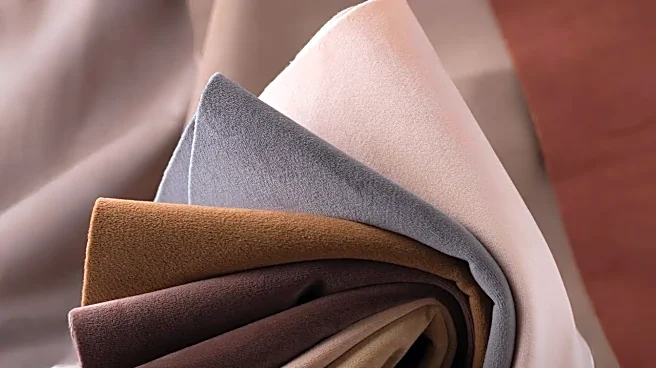
The first and most telling clue is the fabric itself. High-end garments often feel substantial. Natural fibers like wool, silk, linen, and quality cotton have a weight and texture that many synthetics lack. These materials not only feel better against
the skin but also tend to hold their shape and drape more elegantly. A simple test is to hold the fabric up to the light; unless it’s intentionally sheer, a dense weave that blocks light is a good sign. Another trick is to scrunch a corner of the fabric in your hand for a few seconds. High-quality material will spring back with minimal wrinkling, while cheaper fabric will hold the creases, signaling it will likely look worn and tired after just a few hours of wear.
Turn It Inside Out: The Seams Tell All
The true story of a garment's construction is written on its inside. Don’t be shy about turning a piece inside out in the store. Look at the seams. Are they tight, neat, and dense with stitches? A high-quality piece will have a high number of stitches per inch, making it more durable. Gently pull at the fabric on either side of a seam; if you can see daylight between the stitches, it’s a sign of poor construction that will likely fail over time. The best-made clothes feature finished seams, like French or flat-felled seams, which enclose the raw edges of the fabric to prevent fraying and provide a clean interior look. A simple serged edge is common, but these more advanced finishing techniques are a hallmark of care and quality.
The Understated Importance of Buttons and Zippers
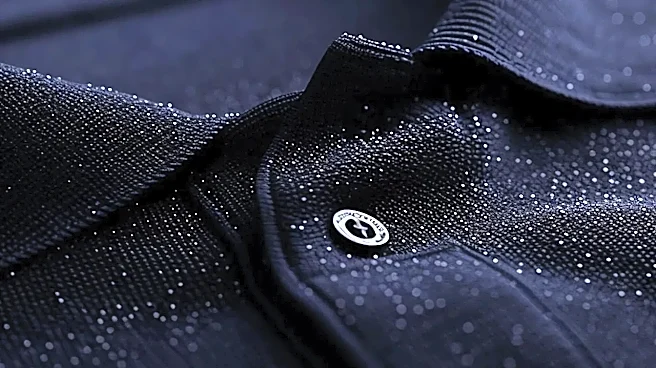
Hardware might seem like a minor point, but it’s a huge indicator of quality. Mass-produced garments often use flimsy, plastic buttons that can feel warm to the touch. By contrast, premium clothing often uses buttons made from natural materials like mother-of-pearl, horn, or metal. These have a cooler feel, a pleasing weight, and greater durability. Check how they are attached; a thread shank (a small wrap of thread that creates space between the button and the fabric) allows the button to be fastened without pulling and is a sign of thoughtful construction. Similarly, zippers should be substantial, ideally metal, and glide smoothly without catching. A quality zipper will often be covered by a placket of fabric, creating a cleaner, more polished line.
When Patterns Align Perfectly
This is one of the easiest details to spot from a distance. On a well-made garment with a pattern—like stripes, plaids, or a floral print—the pattern should match up at the seams. Check the side seams, across the back, and where the sleeves meet the body. Aligning patterns requires more fabric and more precision during the cutting and sewing process, which costs time and money. When you see a striped shirt where the lines flow uninterrupted from the front panel to the sleeve, you’re looking at a piece where the maker didn't cut corners. Mismatched patterns are a tell-tale sign of a rushed, low-cost production process.
The Inner Beauty of a Good Lining
For items like blazers, coats, and some dresses, the presence and quality of a lining is a critical detail. A lining not only helps a garment slide on and off easily but also adds structure, opacity, and durability, hiding the inner construction. In a quality piece, the lining is cut with enough generosity to allow for movement and is attached neatly without pulling or bunching. Cheaper brands often skip lining altogether to save costs, which is a major red flag for structured items like jackets. Checking the inside of a garment reveals just as much about its value as the outside.