

The Psychology of Color on a Grand Scale
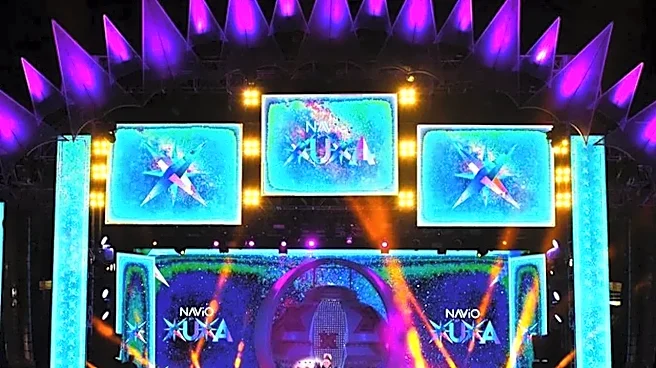
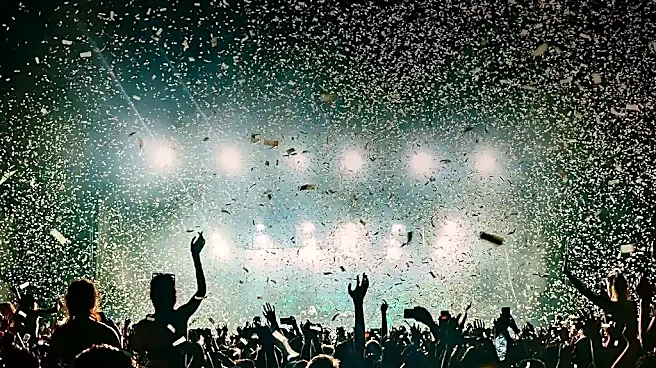
When you’re standing in a crowd of thousands, a festival stage isn’t just a platform; it’s the emotional centerpiece of the experience. The colors blasting from its enormous LED screens are chosen with surgical precision. Visual designers, often called
VJs or creative directors, use color to tell a story that complements the music. A high-energy electronic set might lean on vibrant, saturated neons that feel electric and urgent. In contrast, an introspective ballad could be paired with soft, monochromatic blues or warm amber tones to create a sense of intimacy despite the massive crowd. It’s not just about looking pretty. In bright daylight, designers must use high-contrast color palettes—like bold text on a dark background—to ensure the visuals remain sharp and legible. At night, they have more freedom to play with subtle gradients, but they still have to compete with a dizzying array of stage lights. The color choices also reinforce an artist's brand. Think of the specific visual identity tied to major tours; those color palettes become as recognizable as the music itself, creating a cohesive world for fans to step into.
Motion That Moves the Masses
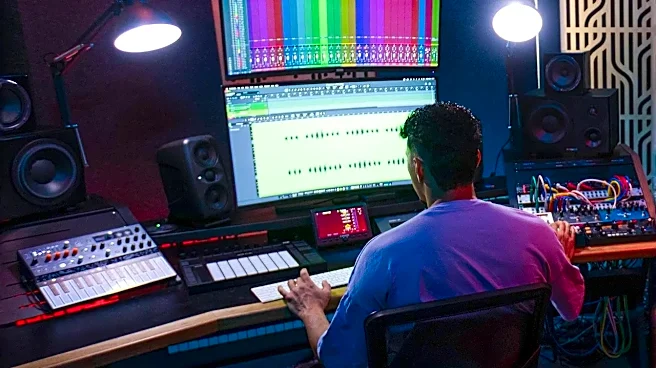
Static images don't cut it in an environment defined by movement and sound. Motion graphics are the engine of festival screen design, engineered to sync with the music and amplify its energy. VJs, or Video Jockeys, are the live performers behind this magic, mixing and manipulating video clips in real-time to match the rhythm and mood of a DJ set or a band's performance. This can be a spontaneous act of improvisation or a tightly choreographed sequence triggered by the musician's own equipment. The goal is to create a fluid, engaging experience. Smooth, slow transitions can build suspense during a quiet bridge, while rapid, pulsing animations can accentuate a powerful bass drop, making the entire crowd feel the beat visually. The motion also serves a practical purpose: it directs the audience's attention. In a chaotic festival environment, a well-designed animation can draw thousands of eyes to the performer at a key moment, ensuring the artist remains the focal point amidst the spectacle.
Mastering the Immensity of Scale
Designing for a screen that can be dozens or even hundreds of feet wide presents unique challenges and opportunities. What looks good on a laptop monitor can completely fall apart when blown up to the size of a building. Designers must think in terms of bold shapes and clear visual hierarchy, as fine details get lost from the back of the field. The physical shape of the screens has also evolved far beyond the traditional rectangle. Modern stages incorporate curved screens, transparent panels, and modular LED tiles that can create immersive, 360-degree environments or wrap around the stage in unconventional shapes. This allows for a deeper sense of space and layering, making the stage feel more like a three-dimensional world than a flat backdrop. Furthermore, designers must consider the viewing angle for every person in the audience. LED technology's ability to maintain brightness and color integrity from wide angles is crucial, ensuring that the experience is just as stunning for someone on the side as it is for those in the center. The sheer scale is what transforms a concert from a performance to be watched into an environment to be experienced.
The Synthesis of Spectacle
Ultimately, color, motion, and scale don't work in isolation. They are interwoven to create a single, unified sensory experience. A designer might use a slow, sweeping motion across a massive, curved screen, with colors that subtly shift from cool blue to warm orange to mirror the emotional arc of a song. The visuals are part of the performance, a live instrument played in perfect harmony with the music. These artists and design studios, like NEWSUBSTANCE or the teams behind major tours, are the unsung heroes of the modern festival, creating the larger-than-life moments that get shared across social media and burned into memory. They transform a field into a fantasy, using light and pixels to build a temporary world that feels boundless. It is this careful and creative synthesis that elevates a performance into a truly transcendent event.