




More Than Just Horror
Let's get one thing straight: not all horror is created equal. The bloody spectacle of a slasher film and the creeping dread of a ghost story scratch very different itches. 'The Fall of the House of Usher' sidesteps cheap thrills in favor of something
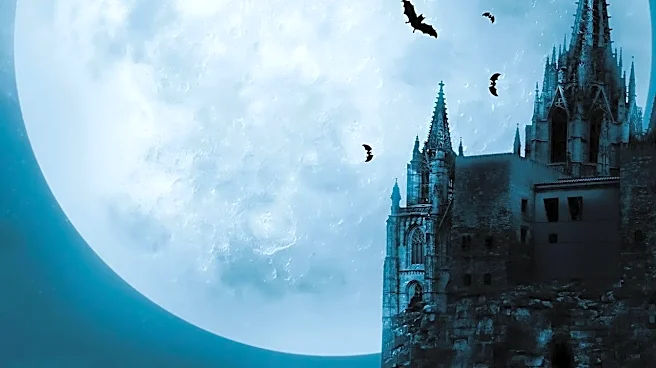
more literary and atmospheric. This is Gothic TV, a mode of storytelling that prioritizes mood, psychological decay, and a prevailing sense of foreboding over a simple body count. The Gothic tradition, born in 18th-century literature, is less about monsters jumping from closets and more about the darkness lurking within families, fortunes, and the human mind. It’s about rotting mansions that mirror the rotting souls of their inhabitants, secrets that fester over generations, and a feeling that the past is never truly dead.
The Flanagan Formula
No one in modern television understands this better than Mike Flanagan. From 'The Haunting of Hill House' to 'Midnight Mass,' he has become the master of mainstream American Gothic. His work consistently trades jump scares for a slow-burn sense of terror rooted in human emotion, particularly grief and trauma. 'The Fall of the House of Usher' is his magnum opus in this regard. The series centers on the fabulously wealthy Usher family, whose pharmaceutical empire is built on a foundation of corruption and death. Flanagan uses their story not just to spook us, but to explore themes of greed, consequence, and the moral compromises that lead to ruin. The horror is emotional and psychological; the supernatural elements are merely a poetic vessel for the family's inevitable self-destruction.
A Masterclass in Modern Poe
Adapting Edgar Allan Poe is tricky. His tales are often short, packed with mood but thin on plot. Instead of a straight adaptation of one story, Flanagan brilliantly weaves together dozens of Poe’s poems and short stories into a single, cohesive narrative. The children of patriarch Roderick Usher are systematically killed off in ways that echo tales like 'The Masque of the Red Death' and 'The Pit and the Pendulum'. The mysterious, shape-shifting Verna acts as a stand-in for the iconic raven, a harbinger of doom. By transposing Poe’s 19th-century anxieties about madness, decay, and premature burial onto a modern saga of opioid billionaires, Flanagan proves the timelessness of Gothic concerns. The crumbling manor isn't just a physical house; it's a corrupt dynasty and a broken moral universe.
The Chilling Beauty of Decay
Gothic storytelling is a full sensory experience, and 'Usher' nails the aesthetic. The world of the Ushers is one of sterile boardrooms, impossibly sleek apartments, and decadent mansions. Yet, beneath the veneer of wealth, everything is in a state of collapse. Flanagan uses a dark, rich visual palette, focusing on shadows and reflections to create a sense of the uncanny—the feeling that something is deeply wrong even in familiar spaces. The horror comes from watching this beautiful, opulent world curdle and decay. It’s the visual equivalent of the family’s psychological unraveling. The intimate, domestic nature of television brings this horror directly into our homes, making the story's themes of family secrets and inherited guilt all the more potent.