




The Rise of the Pitti Peacock
First, let’s be clear: Pitti Uomo is a trade show. It’s for buyers, journalists, and designers to see next season’s collections. But over the last decade, the focus has shifted from the convention halls to the plaza outside. The advent of street style
blogs and Instagram turned the attendees into the main event. Men began dressing not for business or personal expression, but for the camera.
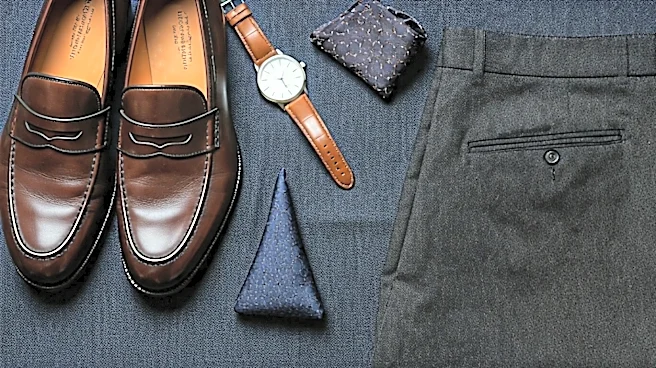
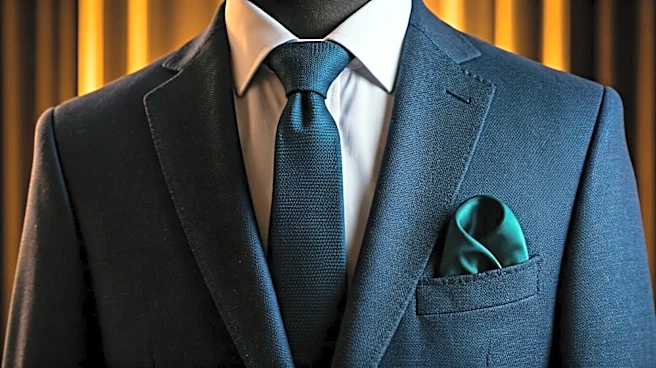
This created the “Pitti Peacock,” a man dressed in an elaborate, attention-grabbing ensemble designed to be photographed. The outfits are often a riot of color, pattern, and accessories—a perfectly tied sprezzatura knot, a flamboyant pocket square, double-monk strap shoes, and a hat tilted just so. In isolation, each element might be a masterful piece of craft. A Loro Piana jacket, Kiton trousers, a Charvet tie. We’re talking thousands, sometimes tens of thousands, of dollars worth of clothing. But when combined with the desperate need to be noticed, the whole thing curdles.
The Anatomy of the 'Rented' Look
The “Pitti Mistake” isn’t about wearing a loud color. It’s about a total lack of authenticity. It’s when an outfit feels like a costume assembled from a checklist of menswear trends. This is what makes it look “rented.” A rental is, by definition, not yours. It’s temporary, ill-fitting in subtle ways, and worn without the ease of ownership.
The most obvious tell is the fit. Instead of a suit that drapes naturally, we see jackets shrink-wrapped around the torso, buttons straining, and trousers so tapered they look like surgical stockings. This isn’t a flattering silhouette; it’s a cry for help. Another sign is the sheer volume of “stuff.” Too many accessories—the lapel chain, the bracelet stack, the statement socks, the elaborate scarf, the sunglasses tucked into a breast pocket—scream effort. It’s a man wearing a collection of items, not an outfit. The goal is no longer to look good, but to look “styled,” which are two very different things.
Losing the Man in the Clothes
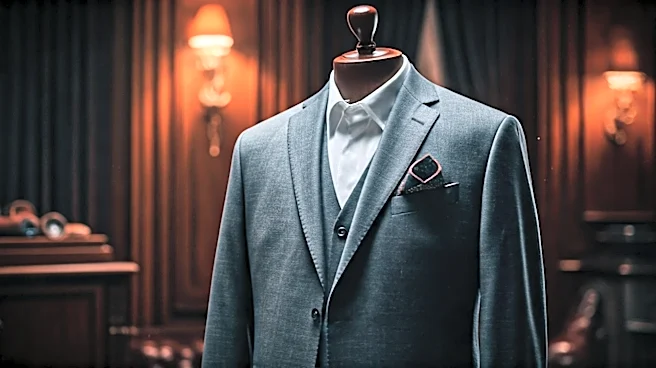
Great tailoring is supposed to be a second skin. It should enhance the wearer, projecting confidence and ease. It’s a partnership between the craftsman who made the garment and the man who lives in it. The problem with the peacocking aesthetic is that it reverses this dynamic. The clothes wear the man. His personality is buried under a mountain of fabric and affectation.
You see a photograph and you don't think, “That’s a stylish man.” You think, “That’s an expensive suit.” The clothing becomes the subject, and the wearer is merely a mannequin. This is the ultimate failure of personal style. The look is so calculated, so aware of its own audience, that it has no room for sprezzatura—the artful nonchalance that Italian style is supposedly built on. True sprezzatura is looking perfect by accident; the Pitti Mistake is looking overwrought on purpose.
The Timeless Alternative
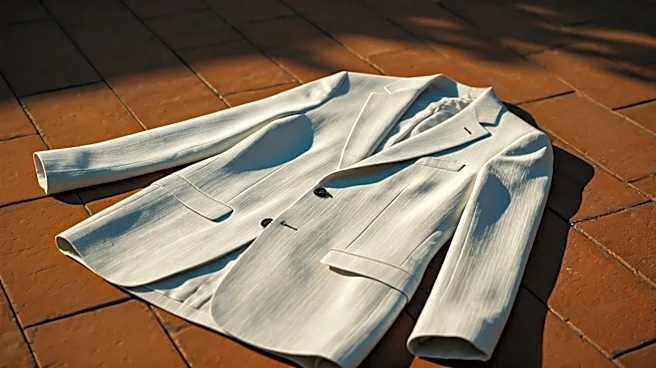
So what’s the antidote? It’s seeing tailoring not as a performance piece, but as a part of a life well-lived. Think of the icons of style: Paul Newman, Steve McQueen, or even modern figures like the late, great Italian industrialist Gianni Agnelli. Their clothes looked good because they looked comfortable *in* them. You could imagine them driving a car, having lunch, or conducting a meeting in what they were wearing. Their suits had a bit of life to them—a subtle wrinkle in the linen, a soft, broken-in shoulder. The clothes belonged to them, and they had the stories to prove it.
This is the goal of expensive tailoring. It’s not meant to be a pristine museum piece worn twice a year for photographers. It’s meant to mold to your body, to become a trusted part of your wardrobe, to serve you. It should be the quiet foundation of your confidence, not the loud announcement of your arrival.