



The Director’s Vision
Every great film starts with a director's vision, and EDC is no different. Pasquale Rotella, the founder of production company Insomniac, is the event's de facto auteur. His vision isn't just to book DJs; it's to build a temporary world. Like a director storyboarding
a film, Insomniac meticulously plans the emotional and physical journey of every attendee, or "Headliner," as they call them. The festival grounds are the set, the DJs are the stars, and the roaming performers are the supporting cast. The goal is to create a multi-act narrative that unfolds over three nights, guiding attendees through waves of energy, discovery, and connection. This isn't a concert; it's a live-action, interactive movie where the audience is the protagonist.
Choreographing the Movement
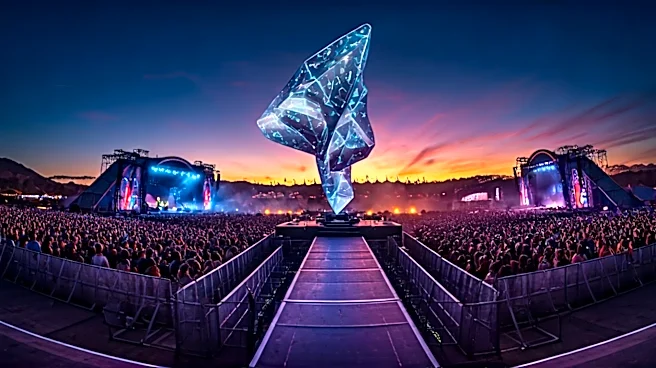
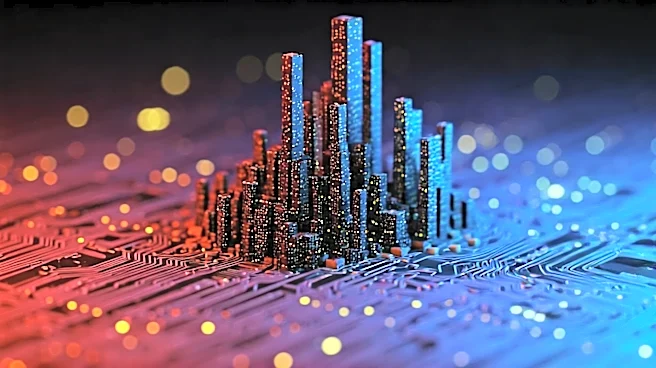
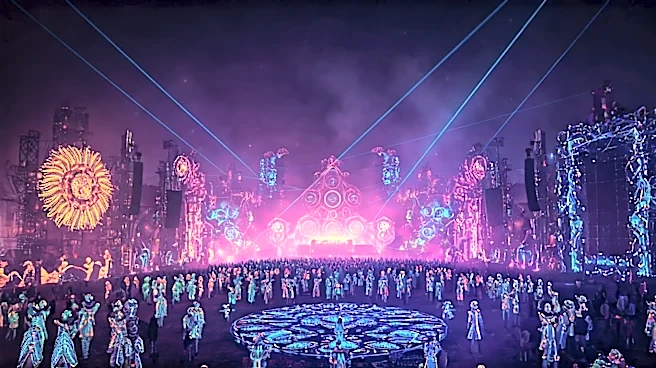
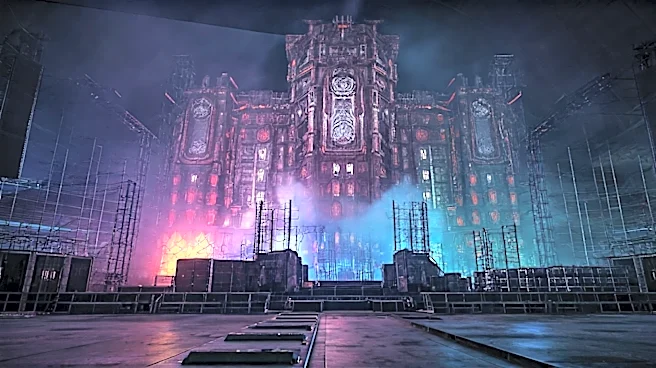
A director blocks scenes to guide the audience's eye. At EDC, the entire festival layout is designed to direct the flow of tens of thousands of people. This is crowd control as choreography. The eight-plus stages aren’t just plopped down; they’re positioned to create distinct zones and moods, drawing people from one world to another. The journey from the kaleidoscopic future-shock of circuitGROUNDS to the organic, grassy vibe of cosmicMEADOW feels like moving between film sets. Art cars, glowing installations, and roving theatrical troupes act as “waypoints,” pulling attendees off the main thoroughfares and into moments of unexpected discovery. This curated movement prevents stagnation and ensures that an attendee’s path through the night is a constantly evolving adventure, not just a commute between stages.
Painting with Light and Color
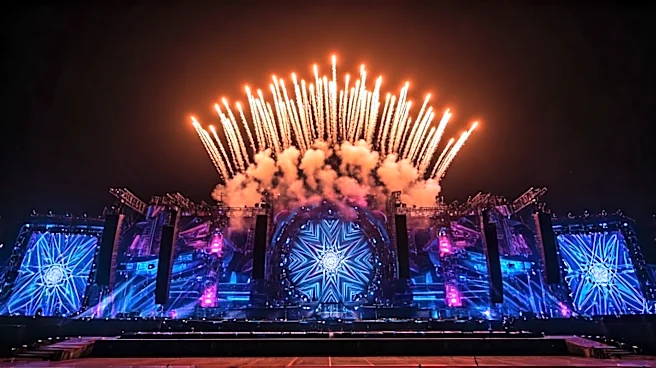
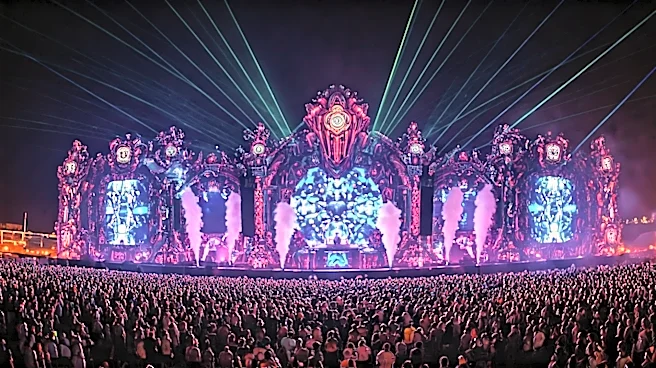
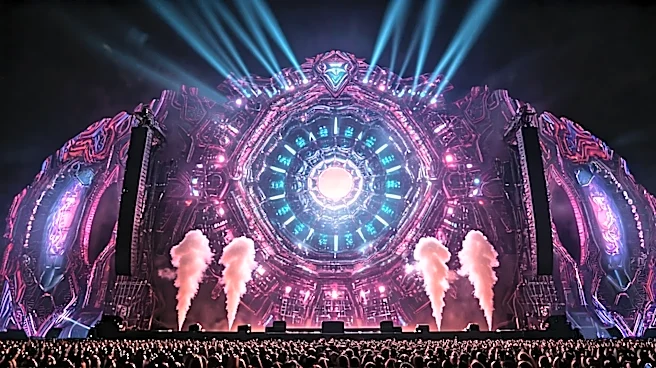
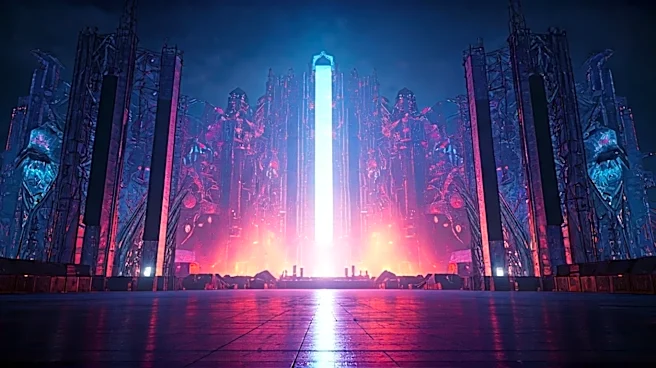
Cinematographers use color to evoke emotion, and EDC is a masterclass in painting with light. Each stage has a distinct color palette and visual identity. The iconic kineticFIELD often employs a vibrant, almost celestial theme with massive, moving set pieces. In contrast, the hardstyle-focused wasteland stage uses a grittier, post-apocalyptic aesthetic dominated by fire, metal, and stark, aggressive lighting. This is where the directorial control becomes most apparent. Lighting designers and VJs (video jockeys) work in real-time, syncing lasers, LEDs, and pyrotechnics to the music's every beat and drop. A slow, ethereal track might be bathed in cool blues and purples, building anticipation. When the beat drops, the world explodes in a strobing frenzy of warm reds and whites. This isn't just decoration; it’s a tool for emotional manipulation, creating a shared, visceral reaction across a massive crowd.
Crafting the Perfect Soundtrack
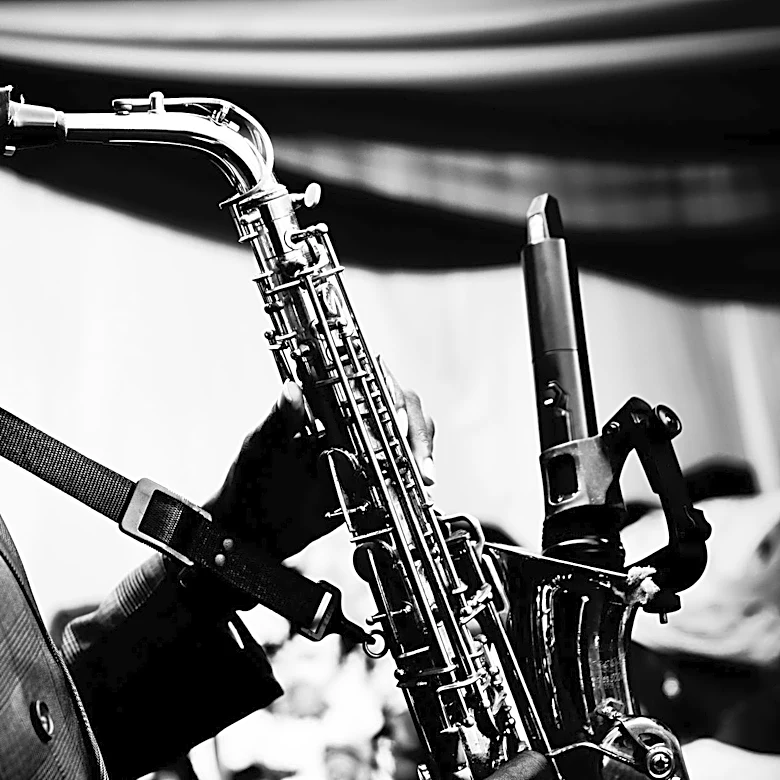
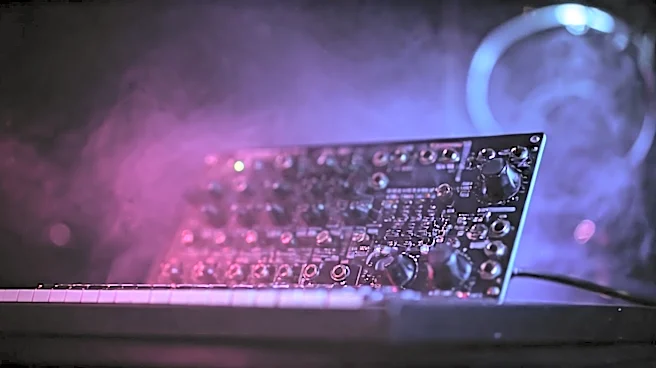
The most obvious tool is sound, but at EDC, it’s treated with the same narrative care as a film score. The curation of artists across stages creates different sonic universes. You can spend an hour in the relentless, high-BPM world of a hardstyle set, then walk a few hundred feet and immerse yourself in the deep, melodic waves of progressive house. It’s like changing the channel, but in real life. Furthermore, the DJs themselves are encouraged to act as storytellers. A 60-minute set isn't just a playlist; it’s a narrative with an introduction, rising action, a climax (the drop), and a resolution. The sound engineers, meanwhile, are the unsung heroes, ensuring that each stage is a powerful, self-contained auditory bubble, preventing the sonic bleed that would shatter the illusion of being in a distinct, immersive world.