




More Than a Cinch
Let’s get the obvious out of the way: if your pants are falling down, you have a fit problem, not a belt problem. While a belt certainly helps secure your trousers, its real job is aesthetic. Think of it as the frame for your torso. It creates a clean,
intentional visual break between your upper and lower body. Without it, the line from your shirt to your pants can look sloppy and unfinished, especially if your shirt is tucked in. A well-chosen belt adds structure, introduces a complementary texture, and acts as a subtle centerpiece. It tells people you didn’t just get dressed; you put together an outfit. This small detail communicates a level of self-awareness and care that other, more obvious clothing choices often can't.
The Telltale Sign of Quality
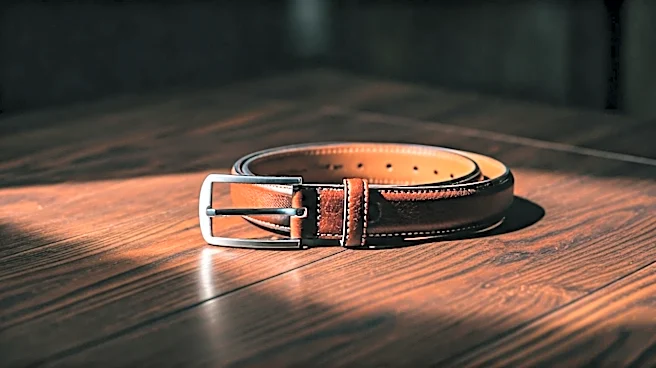
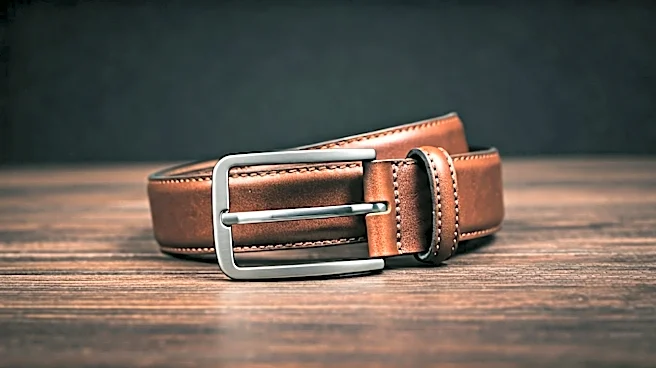
Here's where the 'good' part of 'good belt' comes in. The difference between a $20 department store belt and a $100+ one isn't just marketing—it's materials and construction. Most cheap belts are made from 'bonded' or 'genuine' leather. These sound okay, but they're industry terms for what are essentially leather scraps and dust, glued and pressed together with a plastic coating. That's why they crack, peel, and look terrible after a few months of wear. A quality belt, however, is typically made from a single, solid strip of 'full-grain' or 'top-grain' leather. Full-grain is the highest quality hide, retaining its natural texture and strength. It doesn't crack; it develops a rich patina over time, looking better with age. When you invest in a full-grain leather belt, you're not just buying an accessory for this season—you're buying one for the next decade.
Proportion, Polish, and Purpose
Not all good belts are created equal, because they serve different purposes. The key variables are width and buckle style. For formalwear and suits, you want a slim belt, typically 1 to 1.25 inches wide, with a simple, polished frame-style buckle. The goal is elegance and discretion. For more casual outfits like jeans or chinos, you have more freedom. A wider belt, around 1.5 inches, feels more robust and appropriate. The buckle can be more substantial—a classic roller buckle or even something with a bit more character works well here. Getting the proportions right is crucial. A thick, chunky belt with a suit looks clumsy, while a super-skinny dress belt with rugged denim looks out of place and fragile. Matching the belt's formality to the rest of your outfit is a foundational style move.
The Unspoken Rule of Matching
You’ve probably heard the old rule: your belt leather should match your shoe leather. While style has become more relaxed, this guideline is still the fastest way to look put-together. A black leather belt with black leather shoes creates a seamless, harmonious look. The same goes for brown, tan, or oxblood. It doesn't have to be a perfect Pantone match, but the colors should be in the same family. Think of it as visual rhyming. This simple coordination shows you're paying attention. For casual looks, you can bend the rules—a fabric belt with canvas sneakers, for example. But for any outfit involving leather shoes, from business casual to a formal suit, matching your belt is a non-negotiable step that separates the amateurs from the pros. It’s the final polish that makes everything else you’re wearing look that much better.