



![The 30+ Best Labor Day Deals to Shop Online From Parke, Abercrombie, Amazon, and More [Updating]](https://glance-mob.glance-cdn.com/public/cardpress/binge-magazine-card-generation/spaces/US/en/rolling-stone/images/ppid_5c1616a5-image-178855896193154728.webp)
The Molecule That Bottled the Ocean
Before the 90s, fresh scents were mostly citrus. The idea of a perfume smelling like a sea breeze or a slice of watermelon was abstract. That changed with Calone. A synthetic aroma-chemical first created by Pfizer chemists in 1966, Calone (or Calone 1951)
was an accident. Researchers were reportedly trying to create a food additive when they stumbled upon a compound with an intense “sea-breeze” note. Its scent profile is distinctive: a powerful aquatic, ozonic freshness paired with a green, melon-rind sweetness. It doesn't smell exactly like the ocean, which is a complex mix of salt, minerals, and decaying marine life. Instead, Calone creates an idealized, almost hyperreal version of water and air that was entirely new to perfumery.
A Tidal Wave Through 90s Perfumery
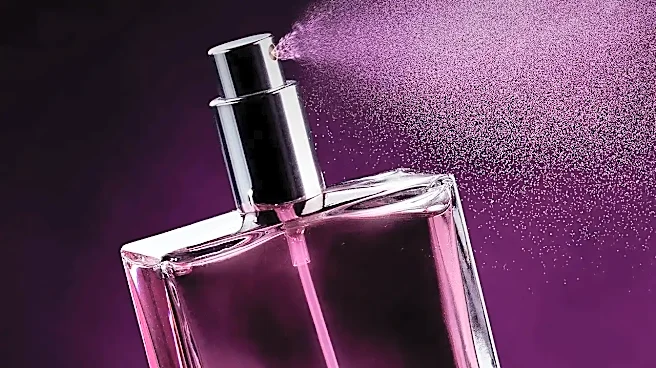
After its discovery, Calone remained a niche ingredient for decades until its patent expired. Then, it exploded. In a rejection of the heavy, opulent fragrances that defined the 1980s, the 90s embraced minimalism, and Calone was its olfactory mascot. It became the backbone of the entire “aquatic” fragrance family, defining a generation of scents. The most iconic example is Issey Miyake’s L'Eau d'Issey (1992), a fragrance that used Calone to create its signature watery, floral profile and became a global phenomenon. Other hits like Calvin Klein's Escape (1991) and Giorgio Armani's Acqua di Giò (1996) cemented the aquatic trend, with Calone's airy, melon-like freshness becoming the signature scent of the era. For the first time, a perfume could smell genuinely 'wet'.
The Cult Divide: A Scent You Love or Hate
The very thing that made Calone revolutionary—its unique and potent character—also led to its downfall. Its ubiquity in the 90s and early 2000s, from fine fragrances to laundry detergents and air fresheners, created mass fatigue. For many, the note now reads as dated or overtly synthetic, sometimes evoking the dreaded “rotten melon” smell when used too heavily. This polarization is precisely why it has a cult following. While some perfume enthusiasts dismiss it, its devotees are passionate. For them, Calone is nostalgia in a bottle, the scent of a specific time and place. Its followers don’t just smell a fragrance; they feel a connection to the clean, optimistic aesthetic of the 90s. This intense love/hate relationship is the hallmark of a true cult classic—it doesn’t aim for universal approval, but inspires fierce loyalty from its believers.
Calone vs. The Modern Aquatic Wave
So how does Calone compare to other marine notes today? The world of aquatic scents has evolved significantly. After Calone fatigue set in, perfumers began exploring more nuanced ways to evoke the sea. Enter Ambroxan, a synthetic molecule designed to mimic ambergris. Where Calone is a bright, wet, fruity-floral splash, Ambroxan is dry, mineralic, and salty with a warm, skin-like muskiness. It's the star of modern hits like Dior’s Sauvage and Juliette Has a Gun’s Not a Perfume, offering a more subtle and sophisticated take on freshness. Other new-generation molecules like Cascalone, Transluzone, and Azurone offer marine effects without Calone’s signature watermelon note, providing a softer, more mineral-driven experience. These notes represent the sea as a moody, atmospheric landscape, while Calone remains the cheerful, sun-drenched beach day original.