

1. The Damp Skin Rule
This is the single most important and most-skipped step. Think of your skin like a sponge. A dry sponge doesn't absorb much, but a damp one soaks up liquid readily. The same principle applies to your skin. Applying moisturizer to bone-dry skin is far
less effective because the product sits on the surface and has a harder time penetrating. The optimal time to moisturize is within three to five minutes of getting out of the shower or bath. Gently pat your skin with a towel, leaving it slightly damp and dewy. This moisture on the surface acts as a carrier, helping to pull the lotion or cream into your skin's upper layers and trapping that precious water where it belongs. Mastering this simple timing trick will dramatically increase the effectiveness of any product you use.
2. Understand Your Moisturizer's Job
Not all moisturizers are created equal. They generally rely on a combination of three types of ingredients to do their job. Humectants (like hyaluronic acid and glycerin) are hydrators; they draw water from the air and deeper skin layers to the surface. Emollients (like ceramides, shea butter, and fatty acids) are softeners; they fill in the cracks between skin cells, smoothing the surface and repairing your skin’s barrier. Finally, occlusives (like petrolatum, lanolin, and dimethicone) are sealants; they form a protective barrier on the skin to prevent water from evaporating. For daily use on normal skin, a cream with humectants and emollients is great. For very dry or compromised skin, especially on areas like elbows and heels, a thicker ointment with occlusive properties is your best friend.
3. Prepare the Canvas with Gentle Exfoliation
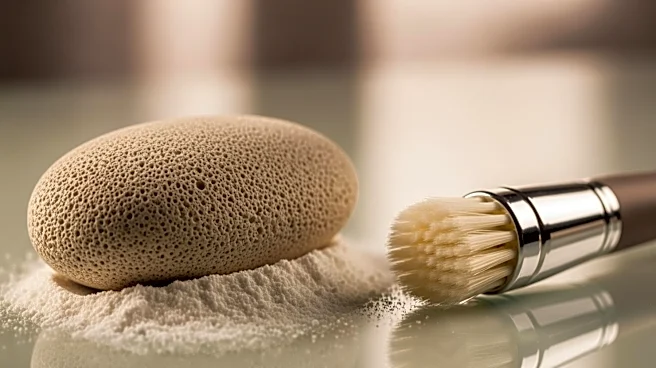
You can’t hydrate dead skin. If your skin is covered in a layer of dry, flaky cells, your moisturizer has to work overtime just to get through the buildup. Incorporating gentle exfoliation into your routine once or twice a week is crucial for clearing the way. This doesn't mean scrubbing your skin raw with a harsh, abrasive salt scrub. Instead, opt for a gentle physical exfoliant, like a soft brush or a scrub with fine sugar particles, or a chemical exfoliant body wash containing ingredients like glycolic or lactic acid (AHAs). These acids work by dissolving the 'glue' that holds dead skin cells together, revealing the fresh, receptive skin underneath. Exfoliation ensures your moisturizer can penetrate deeply and work on the living cells that actually need the hydration.
4. Master the Application Technique
How you apply moisturizer matters more than you think. First, don't be stingy. You need a sufficient amount to cover the entire surface area of your body—think a quarter-sized dollop for each leg and a nickel-sized amount for each arm. A common mistake is using too little product and only spot-treating dry patches. Instead, warm the lotion or cream between your palms to make it spread more easily. Apply it using upward, circular motions. This gentle massage helps stimulate blood flow and ensures even coverage. Pay special attention to notoriously dry areas like your knees, elbows, ankles, and hands. By making the application a deliberate, mindful process rather than a frantic five-second rubdown, you ensure every inch of your skin gets the attention it deserves.
5. Make It a Consistent Ritual
The most effective moisturizing technique is the one you do consistently. Think of it like drinking water; you can’t chug a gallon on Sunday and expect to be hydrated for the rest of the week. Healthy, hydrated skin is the result of a daily commitment. Find a product you love the feel and scent of, and place it somewhere visible—right on your bathroom counter or next to your bed. By turning moisturizing from a corrective measure for dryness into a daily, non-negotiable act of self-care, you’ll build a resilient, healthy skin barrier that stays soft and comfortable year-round. It’s the cumulative effect of this daily ritual, not a single heroic effort, that produces lasting results.