
The Original Provocateur
Before the Barbie collections and McDonald's-themed gowns, there was Franco Moschino. Launching his brand in 1983, Franco wasn't just a designer; he was a critic of the fashion system who used clothing as his medium. He famously parodied icons of luxury,
like the classic Chanel suit, but remade them with outrageous details and unexpected materials. Think jackets with spinning pinwheel buttons, skirts made from neckties, or T-shirts emblazoned with slogans like "Stop the Fashion System" and "Waist of Money." His approach was surrealist and philosophical, turning everyday items and even trash bags into high fashion. It was witty, subversive, and designed to make people think about the clothes they were buying. Franco treated fashion as a playground for commentary, a vision that defined the house long before it became a social media phenomenon.
The King of Kitsch and Virality
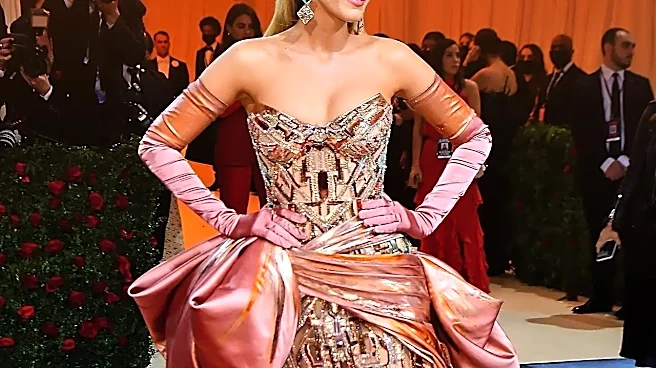
When Jeremy Scott took the helm in 2013, he tapped into Franco's rebellious spirit but amplified it for the digital age. His vision was less about subtle critique and more about explosive, joyful pop-culture homage. His debut collection, with its high-fashion riffs on McDonald's and SpongeBob SquarePants, immediately set the tone. For ten years, Scott turned Moschino into a factory of viral moments. There was the Barbie-themed collection of 2015, the "car wash couture" of 2016, and Katy Perry's unforgettable chandelier dress at the 2019 Met Gala. He made fashion accessible, fun, and instantly shareable, blending high-low culture in a way that resonated perfectly with a new generation of luxury consumers. His tenure was a celebration of pure, unadulterated camp that put Moschino at the center of the pop culture conversation.
A Period of Turbulent Transition
After Scott's departure in March 2023, the house entered a period of uncertainty. In October 2023, Davide Renne, a long-time Gucci designer, was announced as the new creative director, a move that signaled a potentially more refined vision for the brand. Tragically, Renne passed away just nine days into his new role, before he could present his first collection. This left the iconic Italian house in a delicate position, searching for a leader who could both honor its complex legacy and steer it into the future. The industry watched closely, wondering who could possibly step in to bridge the gap between Franco's intellectual irony and Scott's pop maximalism.
A New Chapter Reconnects with the Roots
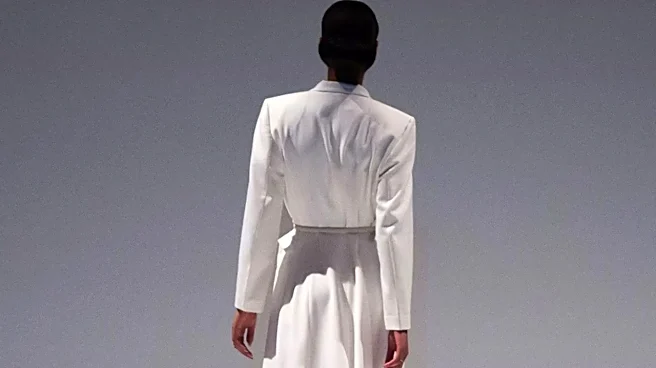
In January 2024, Adrian Appiolaza was appointed as the new creative director, bringing with him an impressive resume that included time at Loewe and Chloé. His debut collection was a thoughtful return to the brand's origins. Rather than mimicking Scott's loud approach, Appiolaza delved into the archives, reinterpreting Franco Moschino's classic codes with a contemporary, more wearable sensibility. The collection featured trompe l'oeil prints, question mark motifs, and playful uses of peace signs and smiley faces—all hallmarks of the founder's original work. While still quirky and joyful, the pieces were more focused on silhouette and clever styling, suggesting a direction that values witty details over viral spectacle. It's a move that seems to understand that the brand's power lies not just in being loud, but in being smart.