




The Path of Least Resistance
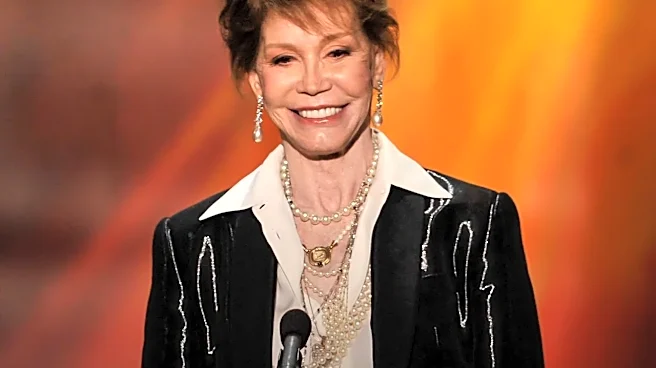
By the late 1960s, Mary Tyler Moore was already a household name. Her role as the stylish, witty, and occasionally capri-clad Laura Petrie on 'The Dick Van Dyke Show' had made her one of the most beloved actresses in America. When the show ended in 1966,
the television industry had a clear and comfortable path laid out for her: play another agreeable wife, smile on cue, and let the leading man drive the story. CBS, eager to keep its star, reportedly offered her a contract for a new sitcom built on this familiar, risk-free formula. For many, it would have been an easy yes—a guarantee of continued fame and financial security. But for Moore, who had ambitions beyond being a supporting player in someone else’s narrative, the safe route felt like a gilded cage. After a few years exploring film roles, she was reluctant to return to the weekly grind of television unless it was on her own terms.
The Risky Bet on Mary Richards
The project that finally tempted her back was 'The Mary Tyler Moore Show,' but it was a concept so revolutionary for its time that it almost never happened. Co-creators James L. Brooks and Allan Burns pitched a show centered on Mary Richards, a single, 30-something woman moving to a new city to focus on her career after a breakup. In 1970, this was a radical premise. Television comedies were built around families, goofy husbands, and domestic bliss. A series about an independent woman who wasn't a widow, divorced, or desperately seeking a husband was unheard of. The idea was so bold that Moore herself hesitated, worried that audiences wouldn't accept her in such a nontraditional role after years as the perfect TV wife. Network executives were even more nervous. They initially balked at the idea that Mary was divorced, forcing the writers to change her backstory to a broken engagement. It was a risky departure, but Moore, along with her then-husband Grant Tinker, decided to bet on themselves, forming their own production company, MTM Enterprises, to maintain creative control.
The Fights Behind the Smile
Making the show was one thing; protecting its integrity was another. As both the star and a producer, Moore found herself in constant battles with network censors. The show’s writers wanted to tackle relevant, real-world issues, but CBS executives often pushed back, fearing controversy. They objected to an episode where Mary stays out all night with a man. They worried a plotline featuring a gay character was too sensitive. One of the most significant fights came when Mary Richards demanded equal pay to the man who previously held her job. The network flagged the episode as too political and potentially alienating. Each time, Moore stood firm, using her influence to shield the show’s groundbreaking vision. She argued that these weren't political statements but reflections of the real lives of millions of American women. Her quiet determination ensured that 'The Mary Tyler Moore Show' didn't just entertain; it redefined what a woman’s life could look like on screen, tackling everything from premarital sex to workplace equality with humor and grace.
A Private Resilience
The professional pressures ran parallel to immense personal struggles that few fans saw. Throughout her life, Moore contended with significant hardships that would have derailed many careers. Diagnosed with type 1 diabetes in her thirties, she managed the chronic illness while maintaining a demanding production schedule. She was also public about her battle with alcoholism, a disease that had afflicted her mother. Her personal life was marked by tragedy, including the accidental death of her only son, Richard, in 1980, shortly after she had played a grieving mother in the film 'Ordinary People.' These burdens were carried largely out of the spotlight, managed with a fortitude that stood in stark contrast to the breezy optimism of her on-screen persona. This resilience gives the headline’s sentiment its weight; she had countless reasons and moments where walking away from the glare of public life would have been the easier choice.