







The Symbolism of Shadow
Before any fabric is cut, “Batman Black” begins as an idea. The color is fundamental to the character’s mission to weaponize fear. It allows him to merge with the shadows of Gotham, becoming an almost supernatural creature of the night. This choice immediately
sets him apart from the bright, primary-colored heroes like Superman, signaling a darker, more psychologically complex approach to justice. His costume isn’t just an outfit; it's a statement about his internal state, reflecting the trauma that drives him and the grim nature of his crusade. The black is a conscious rejection of hopeful pageantry, grounding him in the gritty reality of his city and his methods.
The Problem with the Printed Page
Interestingly, Batman wasn’t always pure black in his earliest comic book appearances. The suit was originally conceived as black and grey, but the limitations of early printing technology led artists to use blue highlights to give the black areas definition and form. A solid black shape on a printed page can look flat and undefined, so the blue provided a sense of light and shadow, distinguishing the cape from the cowl and body. This artistic necessity became an iconic look for decades, with many fans fondly remembering the blue-and-grey Batman. The eventual shift to a more consistently black-and-grey palette in the comics was a deliberate move toward a more modern and serious aesthetic, but it highlights the first major challenge: making black readable.
The Filmmaker's Nightmare
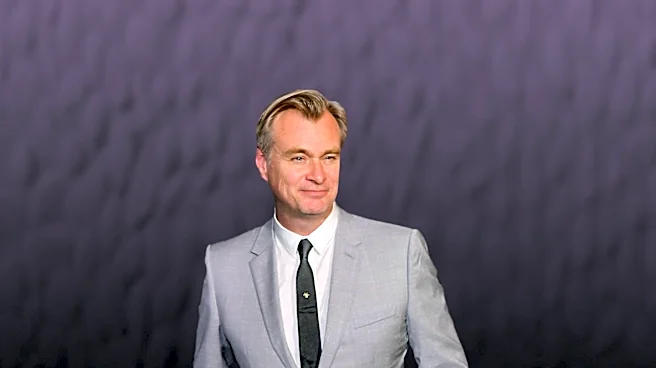
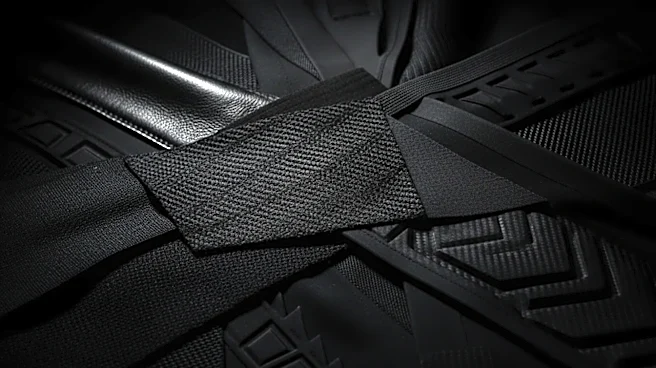
Bringing the Batsuit to the silver screen introduces a whole new set of problems. A truly all-black suit, especially when filmed at night, can easily become an indistinct blob, losing all sense of shape, texture, and movement. Cinematographers and directors have to find clever ways to light a character who is meant to blend in with the darkness. Christopher Nolan’s approach with “The Dark Knight” trilogy was to create a suit that was more like tactical armor, with segmented plates, different textures like carbon fiber, and a matte finish. This allowed light to catch on the edges and surfaces, defining Christian Bale’s silhouette without making him look brightly lit. The design itself had to do the work that pure color could not.
The Science of a Modern Batsuit
Modern filmmakers have leaned heavily into material science. For “The Batman,” director Matt Reeves and his team wanted a suit that felt practical and almost homemade. The final design incorporated elements of real-world tactical gear, with panels that looked like ballistic shielding sewn onto a base layer. Costume designers Glyn Dillon and David Crossman studied everything from bulletproof vests to equestrian gear to find a balance between protection and the mobility needed for an MMA-style fighter. The suit for Robert Pattinson's Batman is a collage of materials—molded urethane, carbon fiber panels, and fabrics based on military-grade Kevlar—all working together to create a visual and functional logic. The color is less a single choice and more a result of combining these different real-world, functional components.
Could Batman Use Vantablack?
With the invention of super-black materials like Vantablack, which absorbs up to 99.965% of visible light, the question naturally arises: why not just use that? While the idea of a hero who appears as a literal void is compelling, it’s impractical for film and storytelling. A Vantablack-coated object loses all visible contours, appearing as a flat, two-dimensional shape. You would lose the actor's performance, the suit's texture, and any sense of physicality. Furthermore, materials like Vantablack are often fragile, expensive, and difficult to work with on a large scale, making them unsuitable for the rigors of a stunt-heavy film production. The goal of a movie Batsuit isn't to be truly invisible, but to look impressively and menacingly dark on camera.