


Your Imagination Is the Real Monster
The fundamental genius of a great haunted house is that it outsources the heavy lifting of horror to you. Before a single actor in a mask appears, your brain is already working overtime. Haunted attraction designers understand that what they hint at is far
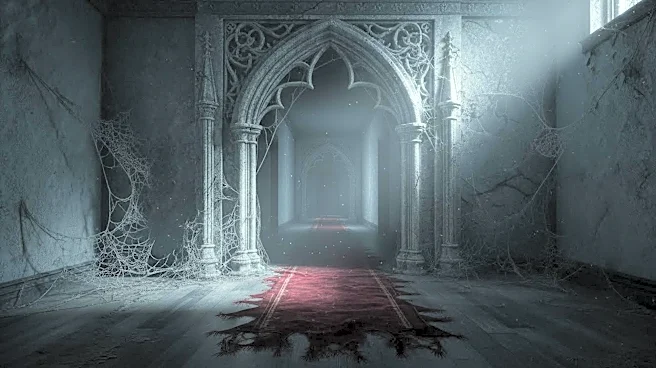
more powerful than what they show. Our minds are wired to detect threats, and when we're in a dimly lit, unfamiliar environment, that instinct goes into overdrive. Every shadow, every creak, every distant whisper becomes a potential danger. That dark corner up ahead? Your imagination has already populated it with something far more specific and personal to your own fears than any generic ghoul. The event's creators are merely providing the canvas; you’re the one painting the nightmare. This psychological priming is intentional. You're not just walking through a maze; you're navigating a space designed to make you second-guess your own senses, turning your own mind into the most effective scare-generating machine in the park.
Weaponizing Sound and Silence
Close your eyes in a Halloween Horror Nights house and listen. The soundscape is a masterclass in psychological manipulation. Horror sound design isn't just about loud bangs; it's about creating a pervasive sense of unease. Designers use low-frequency rumbles that you feel more than you hear, creating a primal sense of dread without an obvious source. They'll introduce a sound—like the scraping of metal on concrete—and then let it fade, leaving you to wonder where it went and when it will return. Silence is just as potent. After a series of loud noises, a sudden, dead quiet corridor can be even more terrifying. This absence of sound makes every footstep you take, every breath you exhale, feel dangerously loud. It creates an unbearable tension, a feeling that something is listening. The creative teams behind the event treat audio as a key architectural element, building an immersive world that feels viscerally, unsettlingly real long before anything jumps out.
The Art of the Distraction
The most seasoned haunted house veterans know the rhythms of a scare. They expect something to emerge from a dark doorway or after a loud noise. The designers at Halloween Horror Nights know this, too, and they use it against you. They'll often stage an elaborate, brightly lit scare directly in your line of sight—a dangling body, a sparking electrical panel—drawing your full attention. This is the feint. While your eyes are locked on the obvious, the real scare is designed to come from an entirely different angle, often from a lower or higher position you weren't monitoring. This technique, often called a "distraction scare" or misdirection, exploits your brain's limited ability to focus. By controlling what you look at, they control what you don't see until it's too late. The relief you feel from surviving the first perceived threat is immediately shattered, resetting your anxiety levels to an even higher baseline for the rest of the walk-through.
You're Living Inside the Story
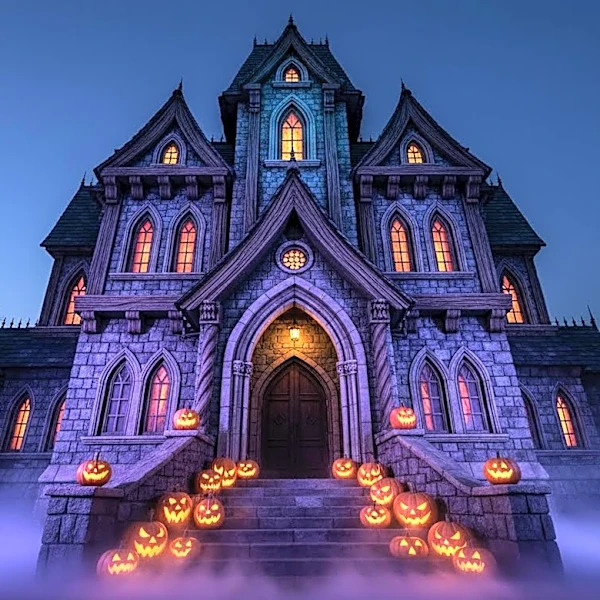
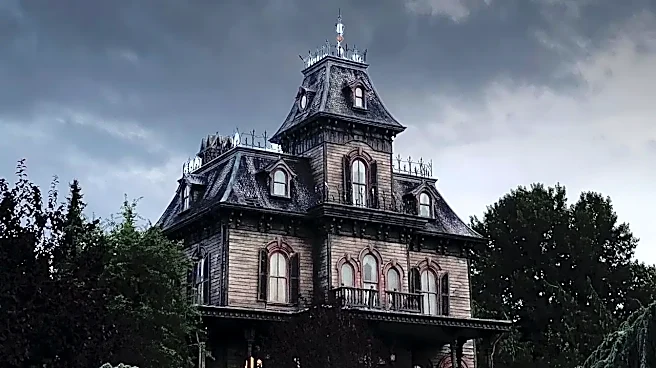
Unlike a simple ghost train, each house at Halloween Horror Nights is built on a narrative. Whether based on a blockbuster horror film or an original concept, the experience begins before you even enter. The elaborate facades, the themed queues, and sometimes even pre-show videos all work to immerse you in a story. By the time you cross the threshold, you aren't just a visitor; you're a character trespassing in a cursed dollhouse, exploring a derelict spaceship, or fleeing a legendary monster. This storytelling provides context for the fear. You know the rules of the world you're in and what you're supposed to be afraid of. This makes the anticipation more potent because the threat feels specific and motivated. The monster isn't just jumping out because it's his job; he's coming for you because, in the world of that house, that's what he does. This narrative framework transforms a simple series of scares into a cohesive, memorable, and far more terrifying experience.