
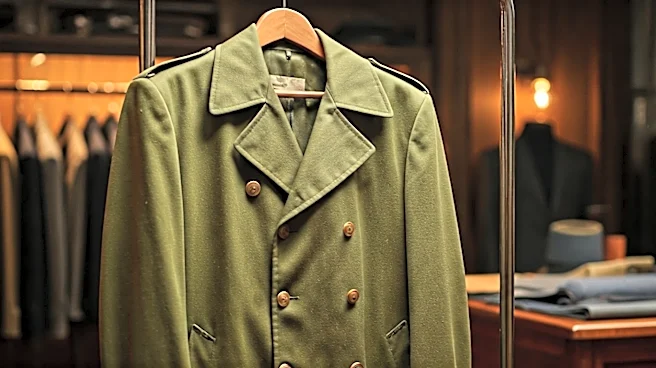


An Accidental Style Icon
Gabardine wasn’t born in a Parisian atelier. It was invented in 1879 by Thomas Burberry, a British outfitter trying to solve a very British problem: rain. [6, 7] Before gabardine, waterproof coats were heavy, rubberized things that were uncomfortable
and didn't breathe. [4, 6] Burberry’s innovation was to waterproof the cotton or wool yarn *before* weaving it into a tight, diagonal twill. [11] The result was a fabric that was surprisingly lightweight, breathable, and water-resistant. [5, 6, 12] Its name was borrowed from a term for a long, loose cloak worn in the Middle Ages, grounding the industrial invention in a tradition of protective garments. [2, 5, 11] Initially, it was a purely functional fabric, designed for durability against the elements. [6]
From the Trenches to the Mainstream
The fabric’s reputation for toughness was solidified in the most demanding environments imaginable. It was worn by polar explorers like Ernest Shackleton and Roald Amundsen on their perilous expeditions to Antarctica. [3, 5, 7] Then came World War I. The British War Office commissioned Burberry to create a coat for its officers that was more practical than the heavy greatcoats of the past. [4, 7] The result was the trench coat, a garment whose very name is a nod to its battlefield origins. [4, 10] After the war, this military-grade functionality began to filter into civilian life. Gabardine became a popular choice for trousers and suits in the mid-20th century, valued for being a durable, year-round workhorse fabric. [3, 20] It was tough, held a sharp crease, and resisted wrinkles, making it ideal for the man on the move. [13, 20]
The Parisian Pivot: Structure Meets Simplicity
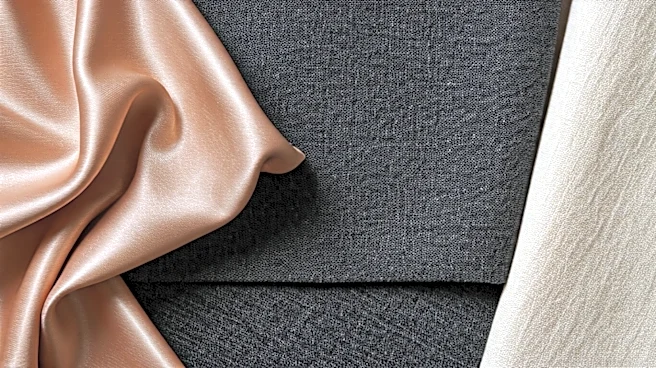
So how did this rugged, practical British textile become synonymous with refined Parisian style? The answer lies in its inherent properties. Parisian menswear, especially the “clean” aesthetic seen in brands like Lemaire, AMI, and Officine Générale, isn't about flashy logos or aggressive trends. [15, 16, 18] It’s about quiet confidence, perfect silhouettes, and functional elegance. [16] Gabardine is the ideal medium for this philosophy. Its tight weave provides structure, allowing for the creation of sharp, architectural lines in trousers and jackets. [17] It has a smooth, matte finish that feels sophisticated and understated, unlike shinier fabrics. [14] And it possesses a certain durability that speaks to an investment in quality over fast fashion. [12] This aligns perfectly with the French concept of a timeless, well-curated wardrobe. The fabric does the work, providing a flawless drape and a clean profile without needing extra ornamentation.
The Modern Uniform
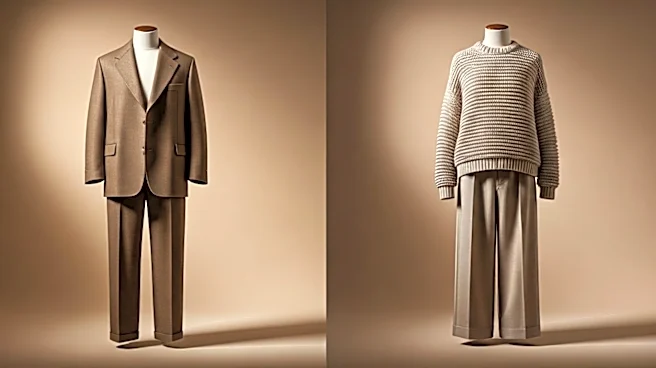
Today, gabardine is a cornerstone of the modern Parisian menswear wardrobe. Designers appreciate that it's a versatile canvas for everything from classic trench coats to wide-leg trousers and sleek blazers. [13] Brands like Rier are even reviving archival gabardine weaves from the 1920s, highlighting a renewed interest in the fabric’s heritage and technical qualities. [19] At recent Paris Fashion Week shows, the emphasis has been on tactile fabrics and refined silhouettes that move with the body, a shift away from overt spectacle. [23] Gabardine fits this mood perfectly. It’s a material that communicates quality through its feel and performance, not through a loud statement. [22] It’s used to create pieces that are both classically relevant and designed for the friction of everyday life. [19] When a Parisian brand like Husbands offers a car coat in recycled poly-cotton gabardine, it’s not just a style choice; it’s a nod to a legacy of utility, durability, and timeless form. [24]