





A Different Kind of Fuel
For much of the world, major soccer tournaments are more than just a series of games; they are quadrennial expressions of national identity. Historian Eric Hobsbawm once noted how an “imagined community of millions seems more real as a team of eleven
named people.” When teams like England and Germany, or the Netherlands and Germany, take the field, they are not just carrying the expectations of their fans, but the entire weight of their nations' shared histories. These rivalries aren't manufactured for a playoff series; they are born from socio-political history, cultural disputes, and sometimes, actual military conflict. The tension is inherent, baked into the matchup itself. The players and fans don't need a manufactured storyline, because they are living within a much larger one.
History on the Sidelines
You can’t understand the intensity of certain soccer rivalries without a history book. The animosity in games between Argentina and England is inseparable from the Falklands War. The rivalry between Celtic and Rangers in Scotland is a reflection of deep-seated religious and political divisions that date back centuries. For El Clásico, the clash between Real Madrid and FC Barcelona, the on-field competition mirrors the long-standing political tensions between the Spanish central government and Catalan identity. These are not just sports stories; they are cultural phenomena where a 90-minute game becomes a proxy for much larger arguments about identity, autonomy, and historical grievances. The drama doesn't need to be hyped by player soundbites when centuries of context are doing the work.
The Stadium as the Amplifier
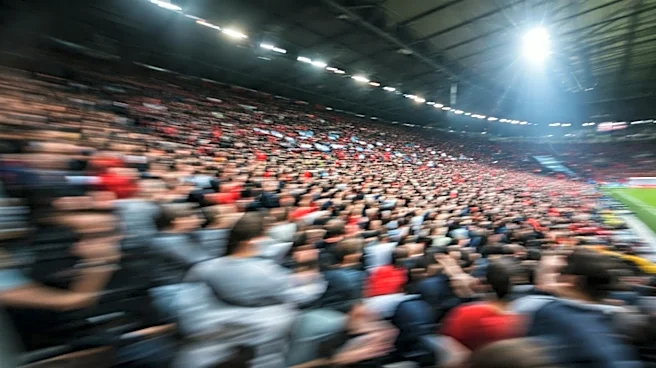
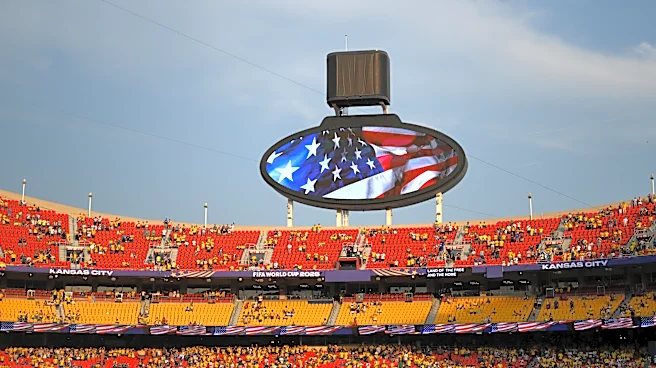
In place of individual trash talk, international soccer offers a collective roar. The stadium atmosphere at a major tournament is a spectacle of its own, a form of psychological warfare waged through coordinated chants, massive visual displays known as tifos, and unrelenting noise. Fans from Mexico, for example, are known for creating an intimidating environment that goes beyond the stadium walls, with reports of fireworks and noise deployed outside opponent hotels before crucial matches. This is not the work of a few loud individuals, but a communal expression of passion and support that players feel viscerally. The passion of the fans—from the vibrant, drum-beating supporters of Ghana to the massive traveling armies of the U.S. and England—creates a pressure cooker environment where the stakes are communicated not through interviews, but through the sheer energy of the crowd.
The Language of the Game
When the pre-game talk is minimal, the on-field actions become the entire conversation. The intensity of a rivalry is written in the language of the sport itself: a bone-crunching tackle that sends a message, a dramatic dive seeking a call, or a goal celebration aimed squarely at the opposing fans. A famous incident in the 1990 World Cup saw a Dutch player spit at a German player, an act seen by some as a restoration of national pride years after World War II. The scarcity of the World Cup, held only every four years, raises the stakes of each moment to a level club football can rarely match. For players and fans, there is no “next year.” There is only the now, and that desperation is what makes the action on the pitch so compelling. The drama is in the doing, not the talking.