
1. It All Starts with Skin Prep
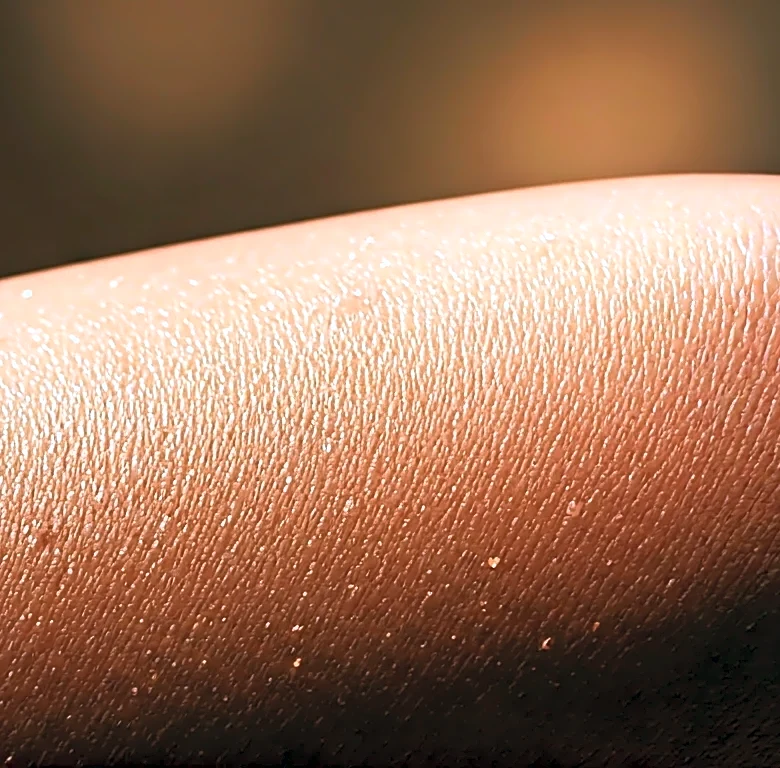
You can’t build a house on a shaky foundation, and you can’t create a heat-proof makeup look on unprepared skin. For makeup artists at Swim Week, the majority of the work happens before a single drop of foundation is applied. The goal is to hydrate the skin so
it doesn’t overproduce oil later, and to create a smooth, grippy canvas. This often involves a multi-step process: starting with a gentle exfoliating cleanser to slough off dead cells, followed by a lightweight, hydrating serum (think hyaluronic acid) to plump the skin. The final, crucial step is a gel-based, oil-free moisturizer. Heavy creams are the enemy in humidity; they can feel suffocating and cause makeup to slide. A light gel moisturizer absorbs quickly, provides hydration without the weight, and often contains ingredients that help control oil production throughout the day.
2. Choose Your Base Intelligently
The impulse to cover imperfections with a heavy, full-coverage foundation is a mistake in high humidity. Most pros at Swim Week ditch traditional foundations altogether. Instead, they opt for featherlight formulas like skin tints, tinted moisturizers, or even just strategically placed concealer. The philosophy is to even out the skin tone, not mask it. By letting the natural skin peek through, the look stays fresh and modern. When foundation is necessary, it’s often a long-wear, water-resistant formula applied sparingly with a damp beauty sponge for a sheer, seamless finish. The key is to apply coverage only where needed—typically around the nose, under the eyes, and on any blemishes—and blend it out into the rest of the face.
3. Embrace Cream and Liquid Formulas
In the battle against heat, powders can be a double-edged sword. While a dusting of setting powder is often necessary, layering powder blushes, bronzers, and highlighters can lead to a cakey, chalky appearance as the day wears on and sweat mixes in. That’s why cream and liquid products are the heroes of Swim Week. Cream blushes melt into the skin for a natural, “flushed-from-within” look that won't streak. Liquid or cream bronzers can be blended along the hairline and cheekbones to add warmth that looks like a real tan, not makeup. These formulas fuse with the skin and move with it, creating a finish that looks more natural and wears more gracefully in the heat than their powder counterparts.
4. Master the Strategic Glow
There’s a fine line between a radiant “glow” and unwanted “shine.” This is the central challenge of summer beauty, and Swim Week artists have perfected the balance. The secret is placement. A dewy, gleaming highlight is applied only to the high points of the face where light would naturally hit: the tops of the cheekbones, the bridge of the nose, and the cupid's bow. The T-zone (forehead, nose, and chin), which is prone to oiliness, is kept relatively matte. This contrast is what creates the illusion of intentional radiance. For the glow itself, artists prefer liquid illuminators mixed with moisturizer or tapped on with fingertips for a subtle sheen, rather than glitter-heavy powder highlighters that can look artificial in the sun.
5. Lock It All In (The Right Way)
All this meticulous work would be for nothing if it melted off in the first five minutes. The final step, setting the makeup, is non-negotiable. However, instead of baking the entire face with heavy powder, the approach is targeted. A small amount of translucent setting powder is pressed—not swept—into the T-zone and any other areas prone to creasing or excess shine, like under the eyes and around the mouth. The real workhorse, however, is the setting spray. A generous misting of a professional-grade, long-lasting setting spray acts like a flexible, breathable seal over the makeup. It locks everything in place, helps the different layers of cream and liquid products meld together, and provides a final boost of radiance or mattifying power, depending on the formula chosen.