




So, What Exactly Is Virtual Production?
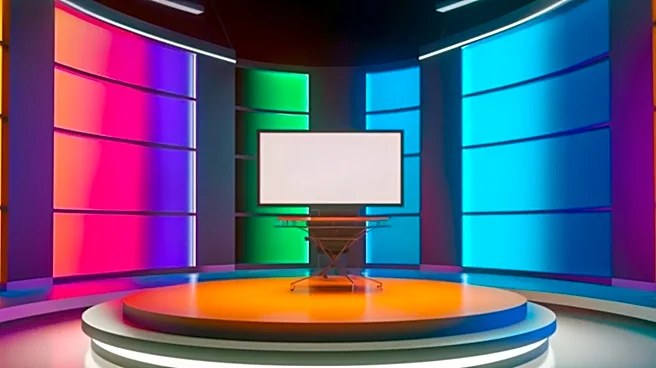
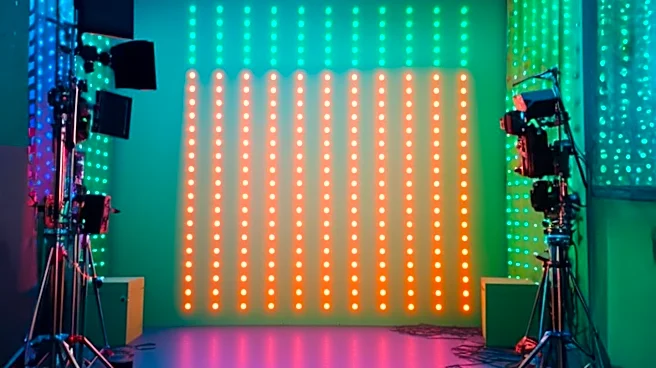
Think of it as the ultimate evolution of the green screen. Instead of actors performing in front of a blank, monochromatic void, virtual production (VP) places them inside a massive, curved cocoon of high-resolution LED screens. This setup, often called
"The Volume," displays photorealistic, three-dimensional environments created using powerful video game engines like Unreal Engine. The result is that the fantastical planet, historical battlefield, or futuristic cityscape is physically present on set, wrapping around the actors. This technology merges the physical and digital worlds in real time, allowing filmmakers to shoot final visual effects in-camera, rather than creating them months later.
More Than Just a Pretty Background
The biggest change virtual production brings isn't just a dynamic backdrop; it's the way it solves decades-old filmmaking problems. One of the most significant advantages is lighting. The LED screens emit their own light, bathing actors and physical set pieces in the same ambient glow as the virtual world behind them. This creates natural, believable reflections and lighting that is incredibly difficult and expensive to replicate with traditional green screens. It also gives actors a tangible world to react to, improving their performances. Instead of imagining a monster or a distant castle, they can see it right there on the screens, leading to more grounded and immersive scenes for the audience. This method eliminates the need for costly and time-consuming location shoots, allowing a crew to film scenes set in a desert, a jungle, and a space station all in the same week, on the same stage.
Creativity Unleashed on Set
Virtual production flips the traditional filmmaking process on its head. Instead of locking in creative decisions months before filming or waiting until post-production to see if an effect works, directors and cinematographers can make changes on the fly. Don't like the time of day? They can change the sun's position with a click. Want to move a mountain range a little to the left for a better composition? They can do it in real time. This flexibility encourages experimentation and allows for a more collaborative workflow between departments, from production design to visual effects. Decisions that used to require expensive reshoots can now be made instantly, saving both time and money while giving creators unprecedented control to perfect their vision during the actual shoot.
From Blockbusters to Your TV Screen
Pioneered on a massive scale for shows like Disney+'s "The Mandalorian" and films such as "The Batman," virtual production was once seen as a tool for only the biggest Hollywood blockbusters. Now, the technology is becoming more accessible and is being adopted across a wider range of television genres, including dramas, comedies, and commercials. While studios are often tight-lipped about the specific techniques used on upcoming shows, the cinematic scope and seamless environments in major Fall 2026 releases like Amazon's "Blade Runner 2099" and HBO's "The Lord of the Rings: The Rings of Power" are prime examples of series benefiting from these advanced methods. As the hardware becomes cheaper and the talent pool of artists skilled in game engines grows, expect to see these hyper-realistic, flexible worlds become a new standard, not just in sci-fi, but in almost every kind of story being told on television.