






From Accessory to Main Attraction
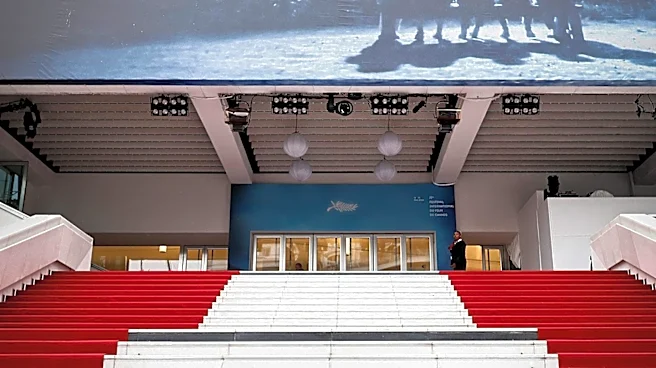
It wasn't always this way. The red carpet at the Oscars was first televised in 1961, but for decades, fashion was secondary to the awards themselves. The turning point is often credited to the 1990s. That's when the symbiotic relationship between celebrities,
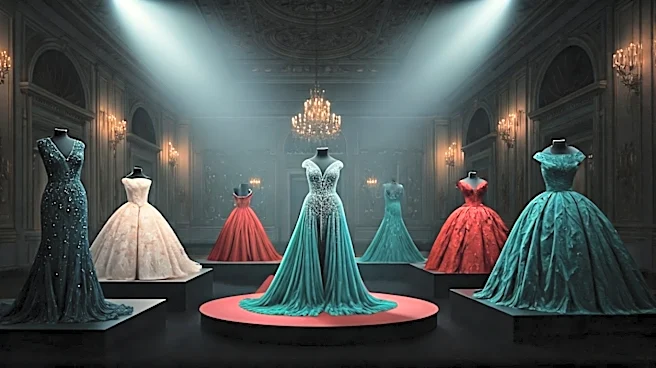
designers, and media began to formalize into a powerful marketing engine. The question “Who are you wearing?”, famously popularized by Joan Rivers, became a cultural phenomenon, cementing the designer's role in the spectacle. Before this, designers were sometimes hesitant to dress celebrities, viewing it as a lower-class endeavor. But when a major star wore a jaw-dropping look—like Nicole Kidman in a chartreuse Dior gown in 1997—the massive, immediate brand exposure became impossible to ignore. This shifted the red carpet from a simple entryway into a global runway.
The Power of the Stylist
At the center of this ecosystem are the celebrity stylists, who have evolved from personal shoppers to powerful "image architects". They are the crucial link between brands and stars, orchestrating the entire look from dress to jewels to shoes. Their job begins months in advance, involving creating mood boards, researching designers, and negotiating deals. This is where the money comes in. Top stylists can command fees from $30,000 to $50,000 for a single major deal, while the celebrities themselves might be paid anywhere from $100,000 to over $250,000 just to wear a specific gown. Some stars have multi-million dollar contracts to be brand ambassadors, requiring them to wear a specific designer for all major appearances, like Jennifer Lawrence's long-standing deal with Dior.
The 'Hidden Category' Is Attention
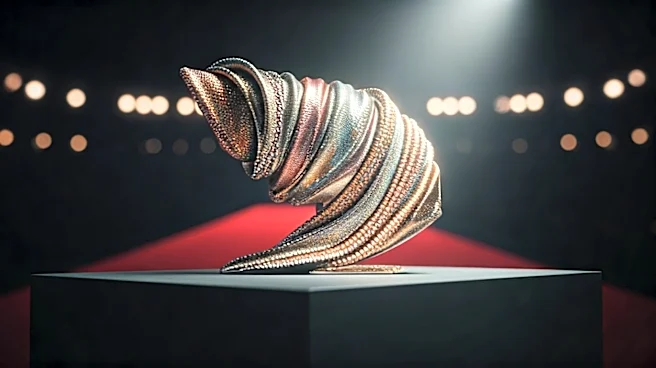
The headline's "hidden category strategy" isn't about a new award statuette; it's about winning the media cycle. The real prize is topping the "Best Dressed" lists, going viral on social media, and generating billions of media impressions. This is a calculated competition for attention. A single Oscar red carpet can generate over $1.1 billion in “media impact value,” a metric brands use to justify their investments. This value is created not just by the dress, but by the entire story around it—the behind-the-scenes “getting ready” content, the interviews, and the social media dissection of every detail. Brands even engage in “method dressing,” where a star’s outfits are inspired by their film character, generating millions in media value by aligning with a cultural moment. Success is measured in brand awareness and cultural relevance more than direct sales.
The ROI of the Red Carpet
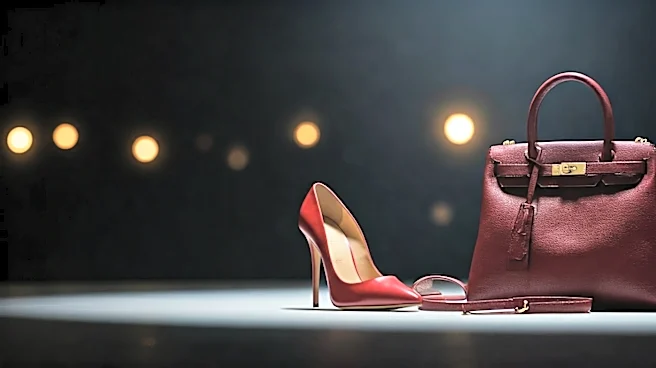
For brands, the return on investment (ROI) isn't just about selling a $100,000 gown. It's about the "halo effect": the aspirational glamour of a couture moment drives sales of more accessible items like lipstick, perfume, and handbags. A celebrity endorsement provides instant credibility and exposes the brand to a massive global audience. While it's difficult to measure the direct ROI of branding, companies track metrics like social media engagement, website traffic, and a metric called Return on Ad Spend (ROAS). The goal is to build long-term brand loyalty and desire. A successful red carpet placement is a priceless marketing opportunity, cementing a brand’s prestige and setting trends for seasons to come. It's a mutually beneficial relationship where stars look great, brands get invaluable exposure, and the red carpet itself becomes an economic engine.