





The Centre Court Mindset
Before any product touches your skin, adopt the early-2000s tennis icon aesthetic. Think of the era of Serena Williams and Maria Sharapova, where on-court beauty was about endurance and a flawless, matte finish that looked effortlessly natural, even under
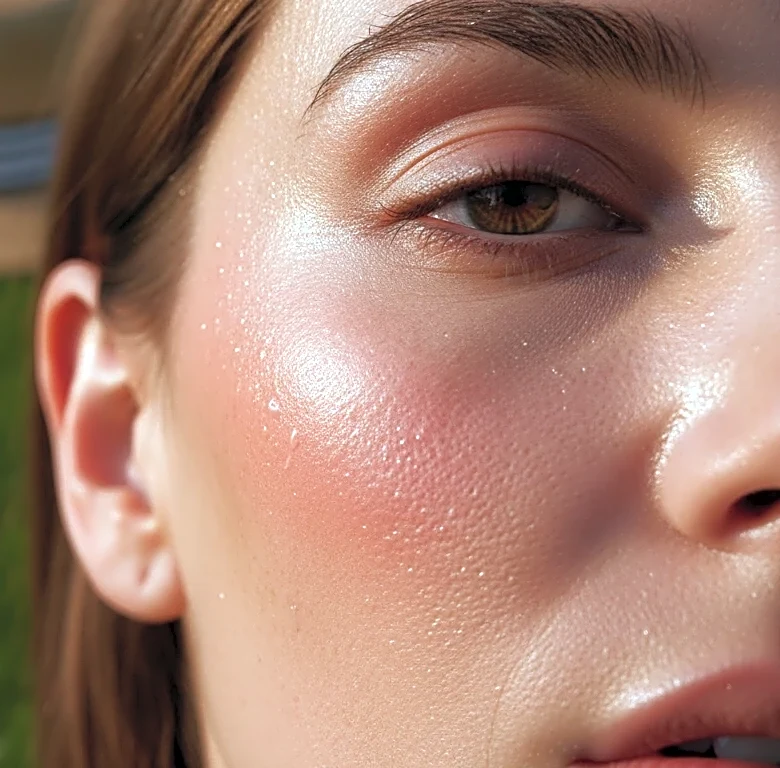
pressure. The goal wasn't heavy makeup, but a base that performed. For rosacea-prone skin, this translates to prioritizing a calm, resilient canvas over thick layers of coverage. The strategy is defensive: soothe inflammation and protect the skin barrier first, so your makeup has to do less work. This approach reduces the risk of irritation and ensures your look lasts without caking or separating.
Layer One: The Calming Cleanse
Every winning strategy starts with a clean slate. For rosacea, this means using a gentle, non-foaming, sulfate-free cleanser with lukewarm water. Hot water and harsh scrubs are common triggers that can leave skin feeling tight and inflamed before you even begin. Look for creamy or milky formulas with soothing ingredients. The goal is to remove impurities without stripping the delicate skin barrier. Think of this step as a gentle cool-down, preparing your skin for the layers to come by ensuring it is calm and receptive, not reactive and stressed.
Layer Two: The Soothing Serum
This is your most strategic offensive move against redness. While skin is still slightly damp, apply a targeted serum designed to reduce inflammation. Niacinamide (Vitamin B3) is a star player here, known for its ability to strengthen the skin barrier and visibly calm redness. Other powerhouse ingredients include azelaic acid, which is FDA-approved for rosacea and helps reduce bumps and irritation, and licorice root extract for its soothing properties. This layer is about actively treating the skin, delivering a concentrated dose of calming ingredients to create a more even-toned foundation before the foundation.
Layer Three: The Barrier-Building Moisturizer
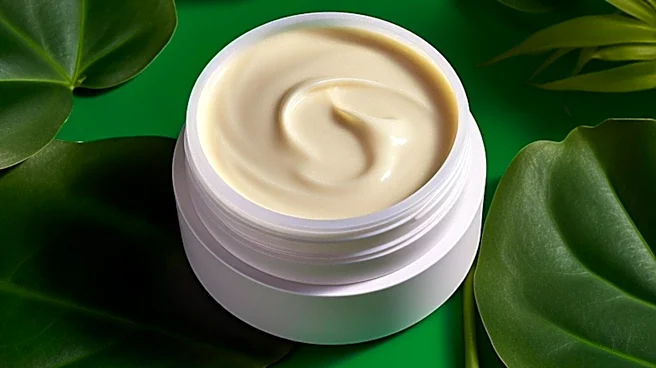
Locking in hydration is crucial for preventing the dryness and sensitivity that can make makeup sit poorly on rosacea-prone skin. Choose a simple, fragrance-free moisturizer with ingredients that support the skin's natural barrier, such as ceramides, hyaluronic acid, and squalane. A healthy barrier is less susceptible to environmental triggers. Allow the moisturizer to fully absorb for a few minutes before moving on. This creates a smooth, plump surface for makeup and acts as a protective buffer between your sensitive skin and the products you apply next.
Layer Four: The Mineral SPF Shield
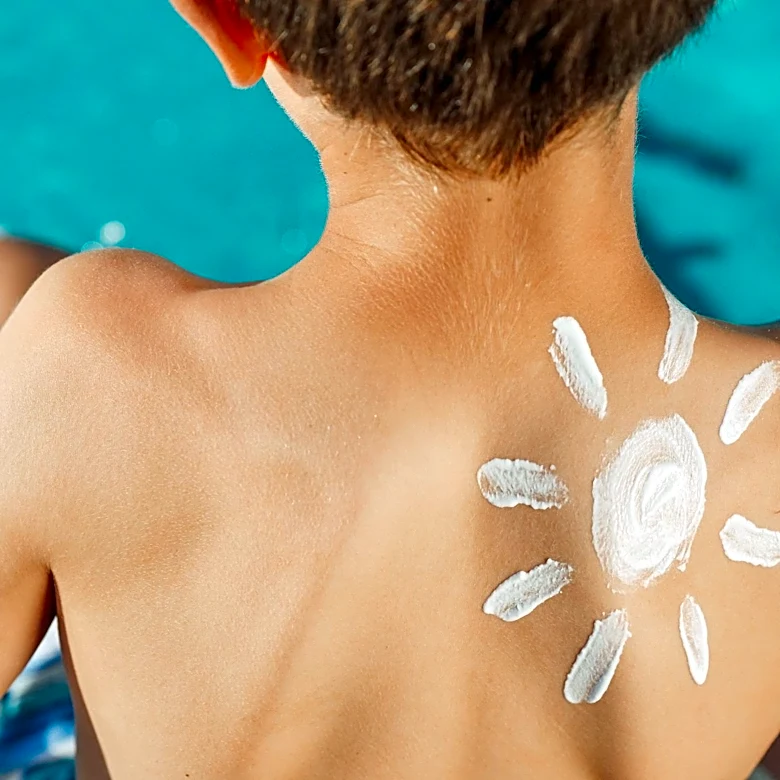
Sun exposure is the most commonly reported trigger for rosacea flare-ups, making daily sunscreen non-negotiable. For sensitive skin, mineral (or physical) sunscreens are the top recommendation from dermatologists. Look for formulas with zinc oxide or titanium dioxide, which physically block UV rays without generating heat—a key advantage, as heat itself can trigger flushing. Many modern mineral sunscreens are lightweight, and some even come with a green tint to help visually neutralize redness before you even think about foundation. This is your final and most important prep step, protecting your skin while priming it for makeup.
The Base Application: A Light Touch
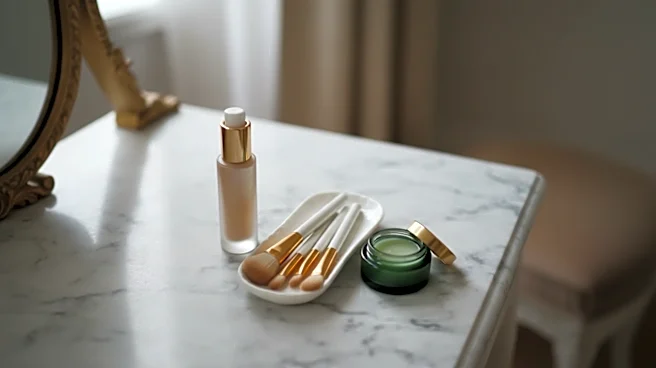
With the prep work done, your skin is calm, hydrated, and protected. Now, honor that hard work by using a light hand. The 2000s tennis aesthetic was about looking perfected, not painted. Use a breathable, buildable foundation, preferably a mineral or oil-free formula designed for sensitive skin. Apply it with a soft brush or clean fingertips, starting in the center of the face and blending outwards. Focus on tapping or pressing motions rather than rubbing, which can cause friction and redness. The key is strategic placement: apply coverage only where you need it, letting your healthy, prepped skin show through elsewhere for a finish that is both flawless and believable.