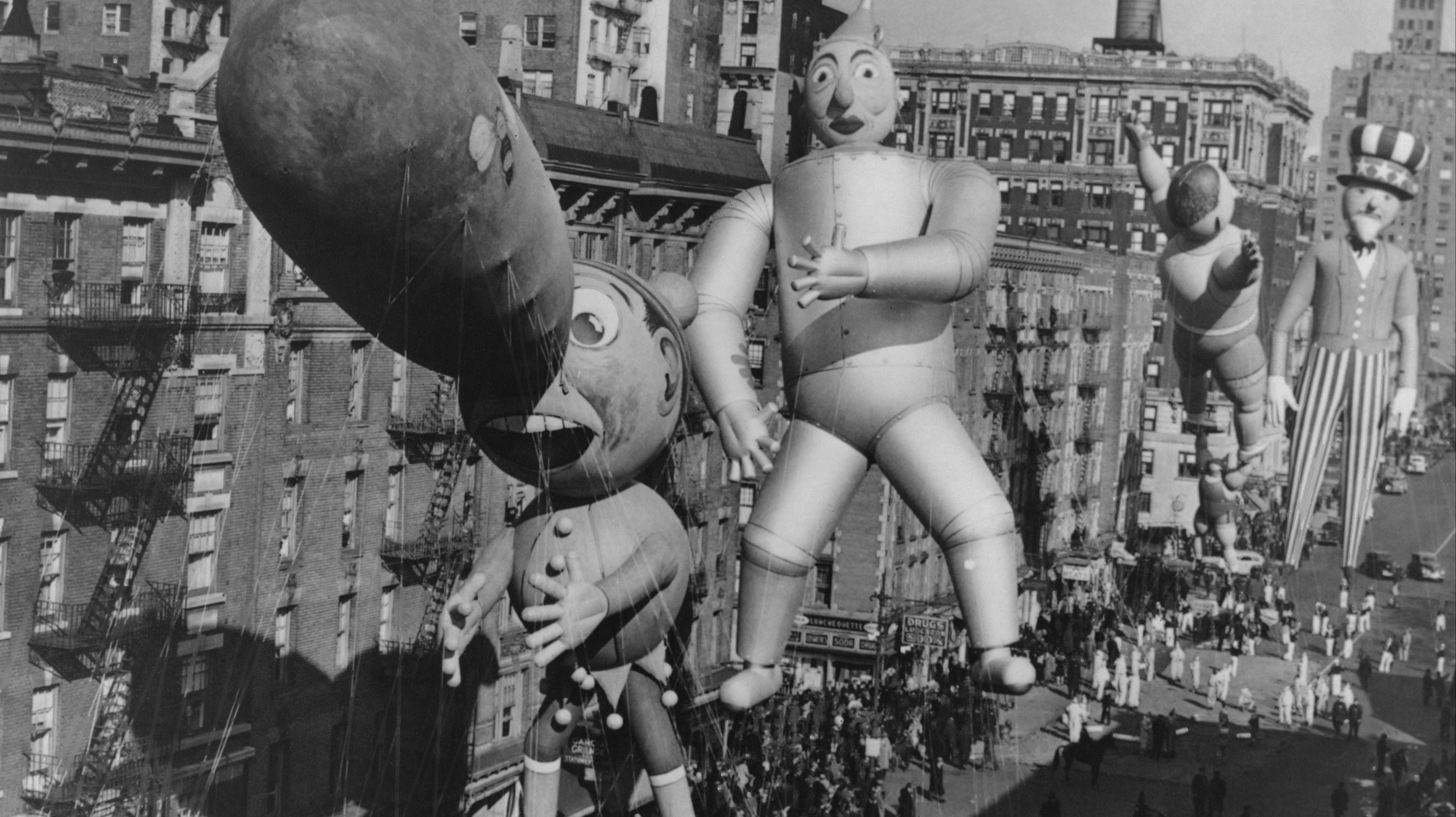




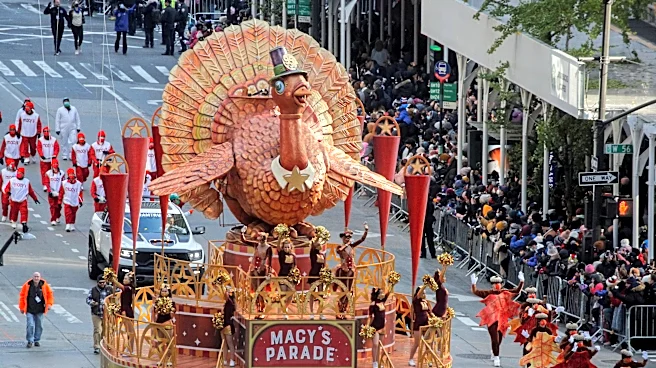
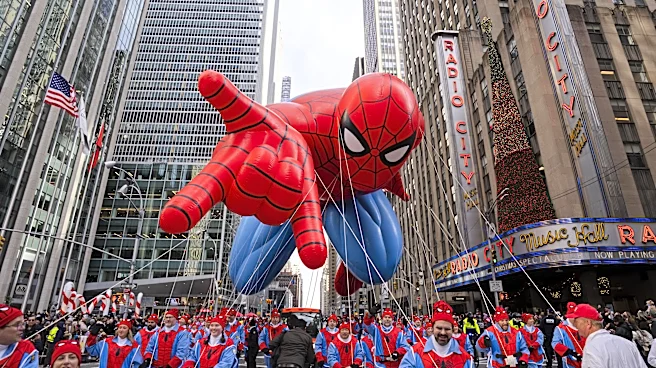
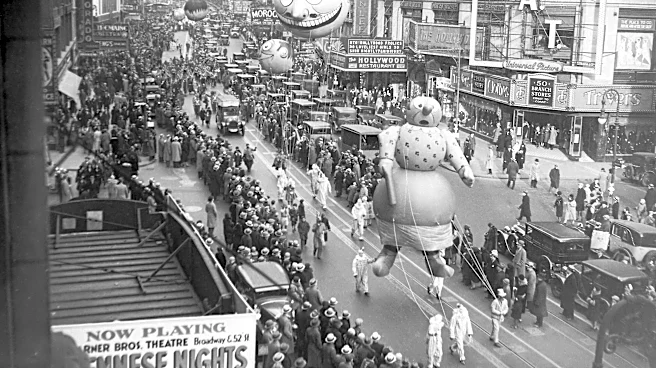
For millions, the holiday season begins with 'Miracle on 34th Street,' which famously opens with the Macy's Thanksgiving Day Parade. This wasn't just movie magic; it was a clever fusion of reality and fiction that changed film history.
A Real-Life Opening Act
The 1947 film 'Miracle
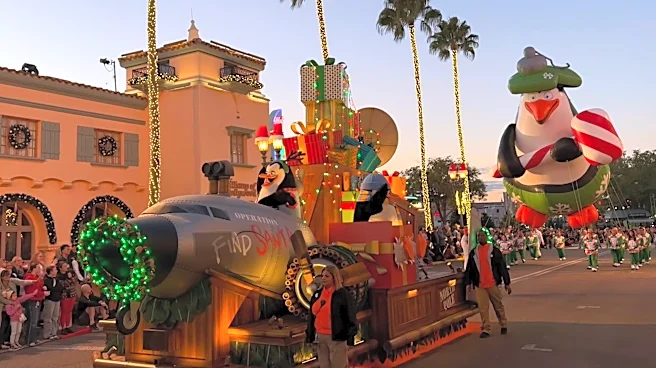
on 34th Street' doesn't waste a moment setting its scene. It opens on the streets of New York City, with the unmistakable sights and sounds of the Macy's Thanksgiving Day Parade in full swing. The plot kicks off when the man hired to play Santa Claus is found intoxicated, forcing event director Doris Walker (Maureen O'Hara) to hire a last-minute replacement: a kindly old man with a real beard and a twinkle in his eye who calls himself Kris Kringle. This isn't a studio backlot or a recreation; the movie plunges viewers directly into a beloved American tradition, making the story feel immediately authentic and grounded. The parade isn't just background decoration; it's the catalyst for the entire story, launching Kris Kringle from a spectator to the heart of the Macy's Christmas season.
A Daring Hollywood Gamble
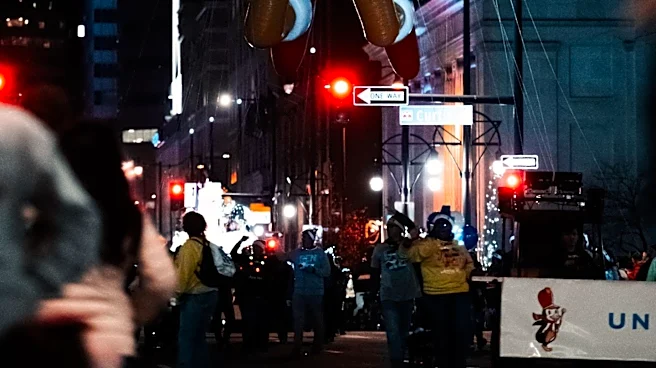
What makes the film's opening so remarkable is that it was largely real. Director George Seaton and 20th Century-Fox made the audacious decision to film during the actual Macy's Thanksgiving Day Parade on November 28, 1946. This was a one-take-only opportunity. With no chance for reshoots, the production team placed multiple cameras along the parade route to capture the festive chaos and the genuine reactions of the massive crowd. The collaboration with Macy's was a risk for both sides, as the department store only granted final permission to use its name after seeing the finished movie. Fortunately, executives were thrilled with the positive portrayal, which has since become what marketing experts would call publicity money can't buy. The scenes inside the Herald Square flagship store were also authentic, filmed at night after shoppers had gone home.
The Man Who Was Secretly Santa
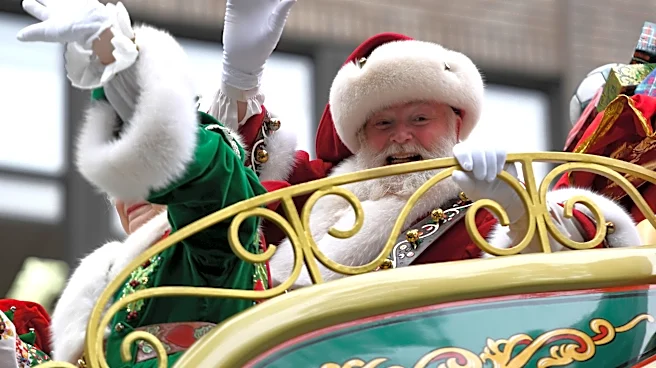
The most charming piece of this real-life cinematic magic involves the star himself. The actor playing Kris Kringle, Edmund Gwenn, actually played Santa Claus in the 1946 parade. As he rode the sleigh float and waved to the cheering spectators, the millions of people lining the streets had no idea they were watching a movie being filmed or that the man in the suit was a decorated actor who would later win an Academy Award for the role. According to Maureen O'Hara's autobiography, it was a bitterly cold day, and she and Gwenn filmed their scenes on the street while co-stars Natalie Wood and John Payne watched from a warm window. This seamless blend of performance and reality is what gives the film's opening its enduring charm; Gwenn wasn't just acting as Santa, for one day, he truly was Macy's Santa Claus.
Cementing a Holiday Tradition
Macy's had been using Santa's arrival at the parade to kick off the Christmas shopping season since the event's inception in 1924, when it was called the Macy's Christmas Parade. However, it was 'Miracle on 34th Street' that immortalized this idea in the national consciousness. Before the film's release, the parade was a massive New York event, but it wasn't yet the nationwide televised phenomenon it is today. The movie, broadcast into homes for decades, took the parade's finale—Santa arriving at Herald Square—and turned it into the definitive, official start of Christmas for all of America. By centering its story on the 'real' Santa showing up at this very real event, the film created a powerful and permanent link between the department store, the parade, and the magic of the holiday season itself.