





The Origin Story: A Sailor's Essential
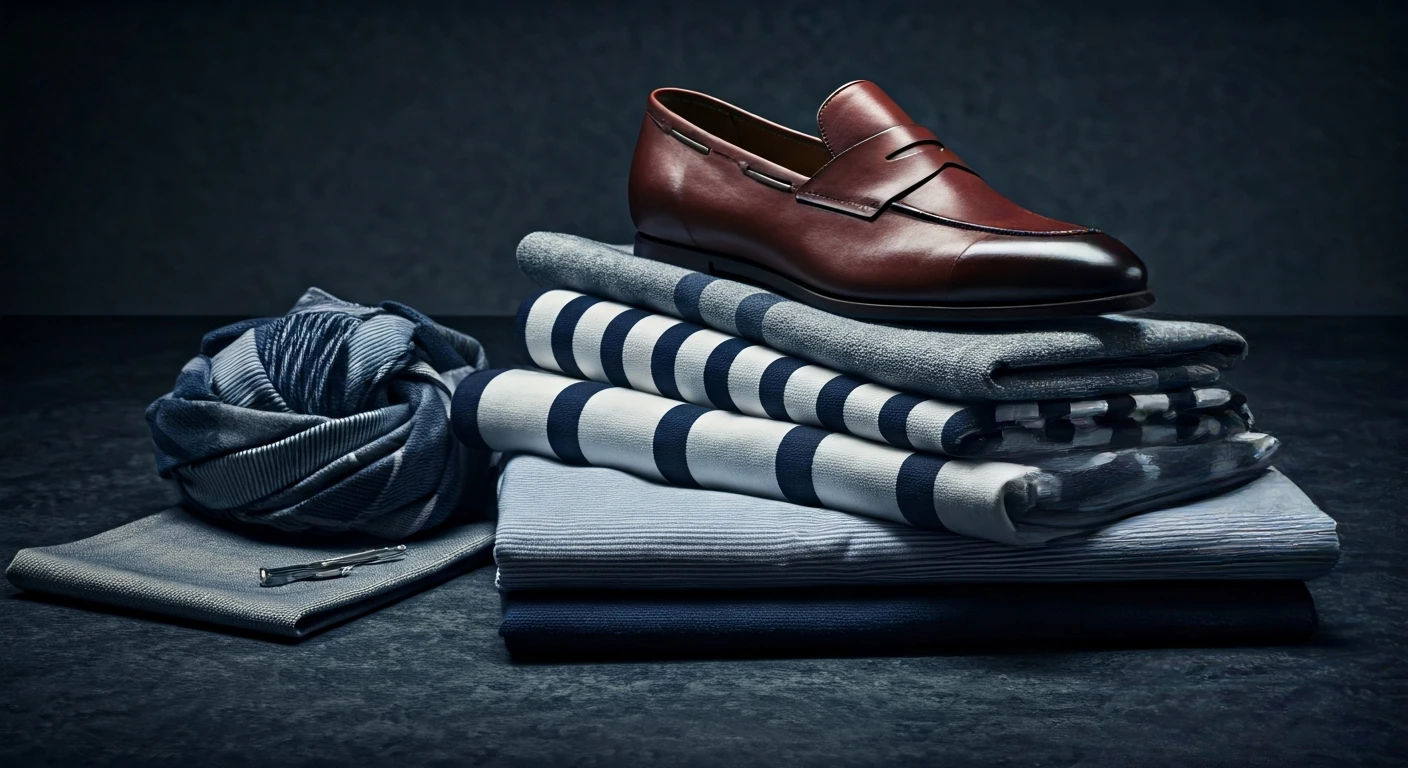
Before it was a style statement, the Breton stripe was a uniform. The pattern, also known as the *marinière*, was officially adopted by the French Navy in 1858 for its seamen in Brittany. The design wasn't arbitrary. The distinctive blue-and-white stripes
made sailors easier to spot if they fell overboard. Legend holds that the original design featured 21 stripes, one for each of Napoleon's victories. Made from tightly-knit wool to protect against wind and water, the shirt was pure function. It was a humble, practical garment designed for work on the high seas, a world away from the sartorial showmanship of a Florentine piazza.
From the Docks to High Fashion
So how did a piece of naval equipment become a fixture in every stylish person’s closet? Thank Coco Chanel. On a trip to the French coast, she became inspired by the sailors' attire and incorporated the stripe into her 1917 nautical collection. By plucking the working-class garment and placing it in a luxury context, she revolutionized its meaning. Suddenly, it was a symbol of leisure, rebellion, and seaside chic. In the decades that followed, the Breton was adopted by a parade of cultural icons who cemented its cool-factor: Pablo Picasso in his studio, a young John Wayne, Jean-Paul Gaultier (who made it his signature), and the effortlessly rebellious James Dean and Marlon Brando. It became shorthand for an artistic, intellectual, and vaguely anti-establishment sensibility.
Enter the Pitti Uomo Peacock
This brings us to Florence. Pitti Uomo is technically a trade fair where brands and buyers connect. But its real influence happens outside, on the cobblestone plaza of the Fortezza da Basso. Here, editors, buyers, influencers, and models—dubbed “Pitti Peacocks”—gather in their finest attire, knowing their photos will be blasted across blogs and social media, setting the tone for menswear for seasons to come. Pitti is a laboratory for style. It’s where old rules are broken and new ones are written. The men who attend are masters of an aesthetic that is both reverent of tradition and hungry for novelty. They don’t just wear clothes; they remix them. This makes Pitti the perfect incubator for a classic like the Breton.
The Revivalist's Playbook
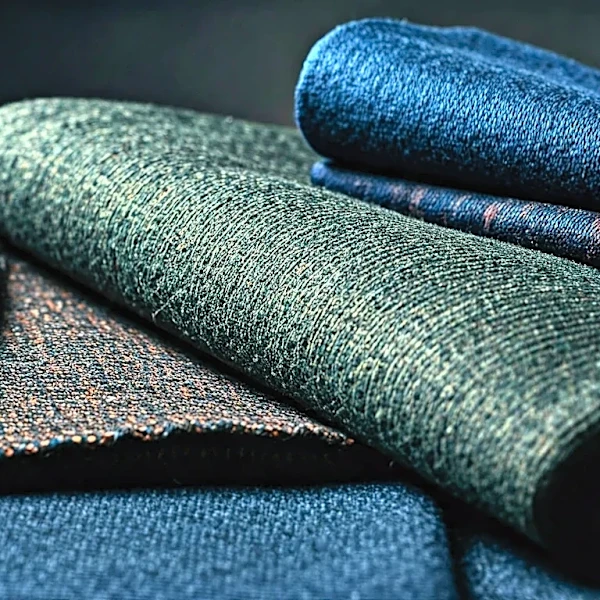
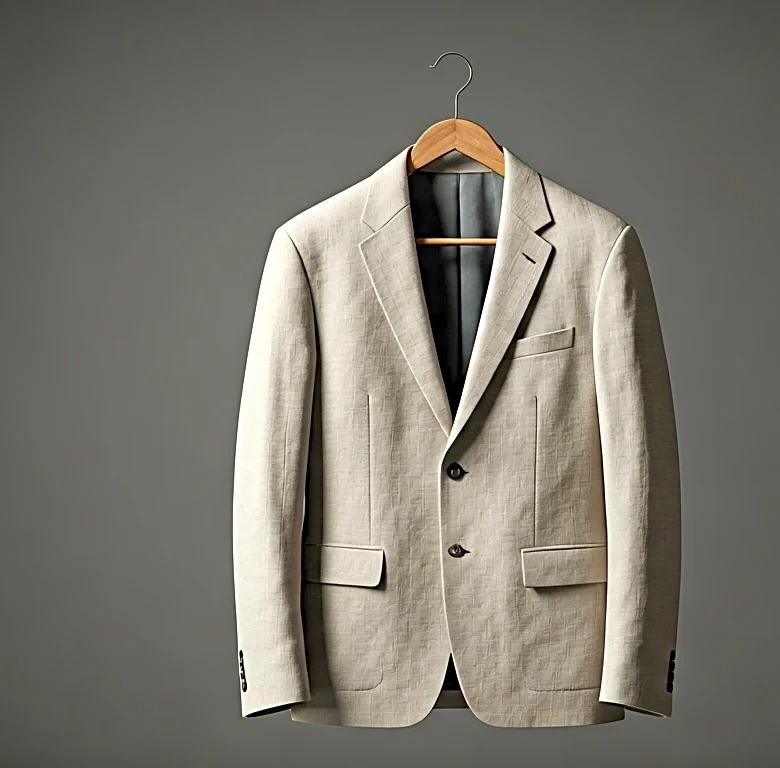
At Pitti, the Breton stripe is rarely worn in its most basic form—a simple cotton long-sleeve. Instead, it’s deconstructed and re-contextualized. You’ll see it as a fine-gauge cashmere knit layered under a perfectly un-tailored linen blazer. It might appear in an unexpected colorway, like forest green and cream or rust and navy. It’s worn as a polo shirt, a heavyweight sweater, or even just a sliver of pattern peeking out from the collar of a work jacket. The trick is juxtaposition. The attendees pair the stripe’s casual, maritime heritage with sharp, formal tailoring. They treat it not as the main event, but as a foundational graphic element that can anchor a more eccentric look. By treating the Breton as a neutral, like solid white or grey, they unlock its versatility. It becomes a tool that adds a dash of visual interest without overwhelming an outfit, proving its timelessness by showing it can adapt to any context.