


The Two Schools of Style
The confusion around dressing a smaller chest isn't because some stylists are right and others are wrong. It’s because they’re playing two different games with two different goals. Think of it as two distinct philosophies: the School of Enhancement and the School of Accentuation.
One aims to create the illusion of a fuller bust, while the other celebrates a smaller frame as a unique advantage. Understanding which philosophy a piece of advice comes from is the key to decoding the contradictory messages and finding what actually works for you.
Philosophy #1: The Art of Enhancement
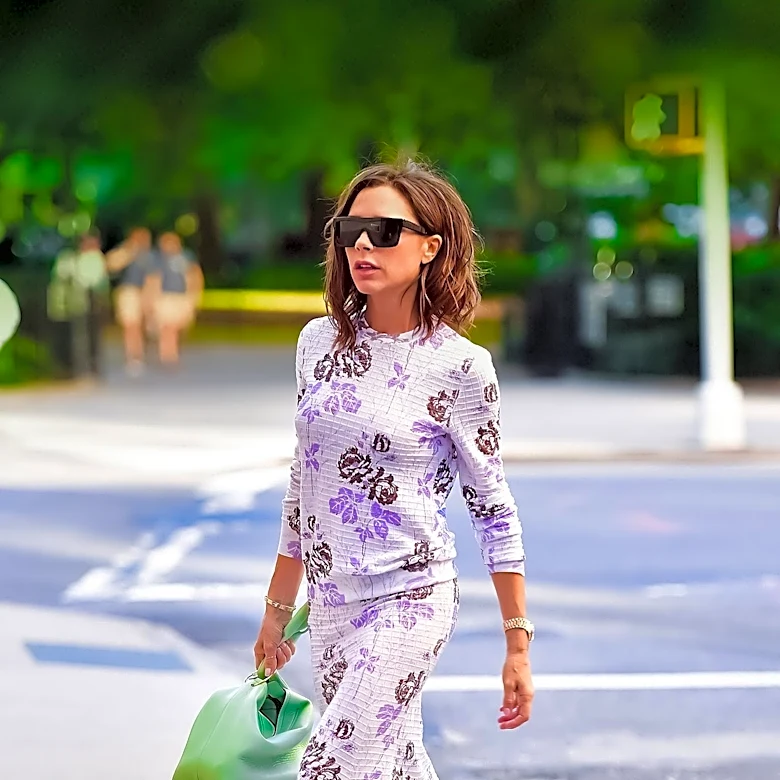
This is the more traditional approach, rooted in creating a classic hourglass silhouette where the bust and hips are balanced. The goal here is to add volume and create curves. Stylists in this camp will recommend anything that builds up the chest area visually. This includes tops with ruffles, ruching, or pleats. They'll suggest horizontal stripes, breast pockets, and fabrics with texture or busy patterns that draw the eye and create fullness. Padded bras, sweetheart necklines that enhance curves, and cowl necks that add soft volume are all tools of the enhancement trade. This philosophy is perfect for anyone who loves a classically feminine shape and wants to create more pronounced curves.
Philosophy #2: The Power of Accentuation
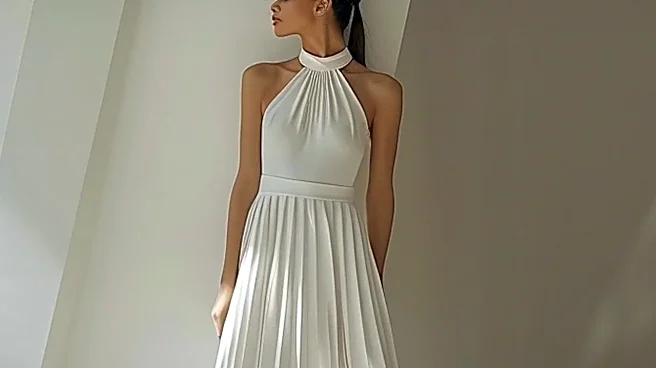
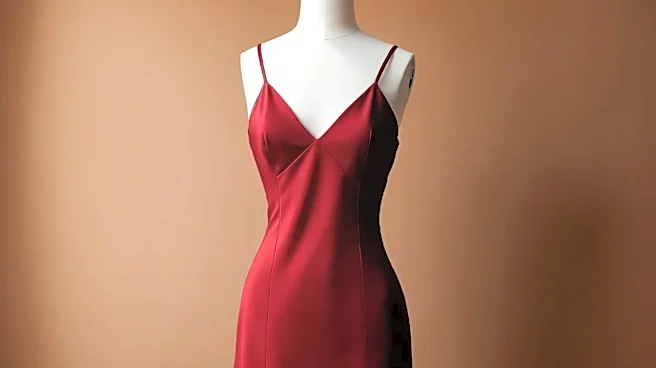
A more modern and minimalist philosophy, accentuation is about embracing and highlighting the features that a smaller bust allows for. Instead of adding volume, this school of thought focuses on what you can do because your frame is streamlined. This is where you see recommendations for deep, plunging V-necks that look effortlessly chic and elegant without requiring extensive support or risking a wardrobe malfunction. It’s about celebrating the clean lines of a high crew neck or turtleneck. Proponents of this style champion backless dresses, delicate spaghetti straps, and sheer fabrics—styles that are often more complicated to wear with a larger chest. The goal isn’t to change your proportions, but to leverage them for a sophisticated, high-fashion aesthetic.
It's Not a Rule, It's a Goal
The real reason for the disagreement is that stylists are solving for different outcomes. An instruction to "add ruffles" is for the person whose goal is to create visual volume. An instruction to "wear a deep-V" is for the person whose goal is to elongate their torso and embrace a minimalist look. Neither is inherently better; they just serve different aesthetics. The problem arises when these tips are presented as universal "rules" without explaining the goal behind them. Fashion advice often assumes a single, universal ideal—usually a balanced, curvy figure—which is an outdated concept for many modern dressers.
How to Choose Your Own Adventure
Instead of getting stuck on conflicting rules, ask yourself a different question: What do I want to achieve with this outfit? Do you want to feel classic and curvy for a formal event? The enhancement philosophy is your friend. Are you aiming for an edgy, modern, or elegantly understated look? Lean into the accentuation playbook. A smaller bust gives you incredible versatility. You can play with open necklines, intricate back details, and high-fashion silhouettes that others can't. You can also build volume with layers and texture when the mood strikes. The choice isn't about "fixing" a problem; it's about defining your personal style for the day, the event, and the feeling you want to embody.