

More Than Just Banjos
First, let's clear something up. When people hear “Americana,” they might picture dusty roads and twangy banjos. And while that's part of its DNA, the genre is more of a feeling than a formula. It’s a rich blend of American roots traditions: the storytelling
of folk, the soul of blues, the grit of country, and the energy of rock ‘n’ roll. Think of it as a big tent that welcomes artists who prioritize songcraft and authenticity over chasing fleeting pop trends. The Americana Music Association itself defines it as contemporary music that incorporates elements of various American roots music styles. This big-tent approach means the sound is constantly evolving, making it both deeply traditional and surprisingly modern.
Meet the Class of 2026
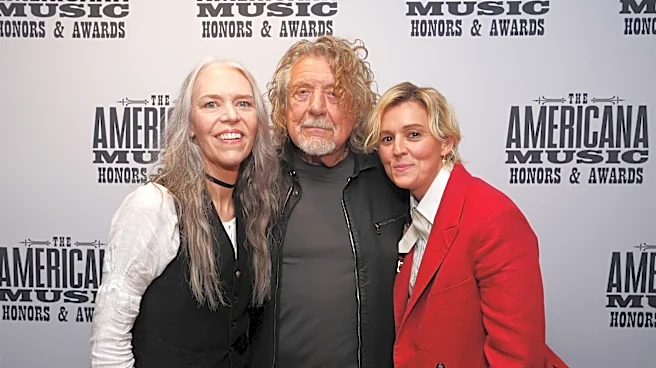
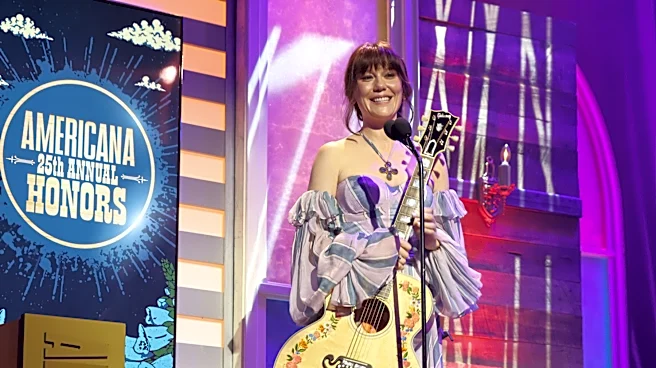
This year’s Americana Awards gave us a perfect snapshot of the genre's diversity. Molly Tuttle, a virtuosic guitarist whose work blurs the lines between bluegrass and introspective songwriting, deservedly took home Artist of the Year. Meanwhile, Tyler Childers, an artist famously wary of industry labels, won Album of the Year for his powerful record 'Snipe Hunter'. His success, often fueled by viral online momentum rather than radio, proves there's a massive audience for his raw, Appalachian storytelling. Add in Brandi Carlile, who won Song of the Year for the stirring “Returning to Myself,” and Emerging Act Ken Pomeroy, and you have a class of artists who are critically acclaimed and, whether they know it or not, perfectly positioned for a mainstream introduction.
The Playlist Pipeline
So, how does an artist like Ken Pomeroy jump from an awards stage in Nashville to someone’s “Morning Commute” playlist in Seattle? This is the magic of the playlist pipeline. The journey often starts on niche, genre-specific playlists curated by enthusiasts or editorial teams at platforms like Spotify and Apple Music. An Americana award win or nomination generates buzz, flagging an artist for inclusion on playlists like “Roots Rising” or “Indie Bluegrass.” From there, the algorithm and human curators watch for listener engagement. If a song is getting a lot of saves, shares, and repeat listens, it signals that the track has broader appeal. This is when the crossover happens. The song might graduate to a bigger, mood- or activity-based playlist like “Acoustic Hits,” “Morning Coffee,” or “Chill Folk.” These playlists have millions of followers who aren't necessarily seeking out Americana, but are looking for a specific vibe. A song is no longer just its genre; it's a soundtrack for a moment. This process, blending human taste with data, is the modern-day equivalent of a song getting picked up by a major radio station.
From Niche to Ubiquitous
The impact of this pipeline is transformative. For decades, breaking into the mainstream meant conforming to the rigid formats of commercial radio. Artists often had to sand down their unique edges to fit in. Playlists have changed the game. They allow artists like Zach Bryan or Chris Stapleton to build massive, stadium-filling careers with minimal radio airplay, proving that authenticity can scale. Landing on a major playlist can lead to millions of new streams, which translates directly into revenue and, just as importantly, a diverse new fanbase. This exposure introduces listeners to the emotional depth of Americana—the lyrical storytelling of Brandi Carlile or the instrumental prowess of Molly Tuttle—without ever needing them to search for the “Americana” tag. The music finds them, seamlessly integrated into the soundtrack of their daily lives.